
Economic development decisions carry long-term consequences. Land use policies, infrastructure investments, and redevelopment initiatives shape communities for decades, yet they are often made in environments defined by uncertainty such as shifting markets, evolving workforce needs, and changing development patterns.
For planners, market data provides clarity in that uncertainty. It transforms economic development planning from a set of assumptions into a strategy grounded in how communities actually function today, and how they are likely to change tomorrow.
When used thoughtfully, market data doesn’t dictate outcomes. Instead, it gives planners the insight needed to align community goals with economic realities, reduce risk, and guide growth toward places where it can succeed.
Why Market Data Matters in Economic Development Planning
At its foundation, economic development planning is about understanding demand. Who lives and works in a community? How are businesses performing? Where is investment occurring, and where is it stalled?
Market data helps planners answer these questions with confidence. Demographic trends reveal how populations are growing, aging, or shifting. Employment and industry data highlight which sectors are expanding, which are contracting, and how workers move throughout a region. Real estate indicators show whether development demand is being met, or constrained by outdated zoning, infrastructure limitations, or market misalignment.
Together, these insights create an evidence-based foundation for planning decisions related to land use, redevelopment, housing, workforce development, and capital investment. Rather than reacting to market pressure after it appears, communities can plan proactively, positioning themselves to capture opportunity while managing growth responsibly.
Turning Data into Insight
The value of market data lies not in the volume collected, but in how it is analyzed and interpreted.
Planners begin by identifying strengths and gaps within the local economy. Comparing population and job growth with real estate conditions can reveal mismatches, such as strong employment growth paired with limited housing supply, or retail demand constrained by outdated commercial corridors.
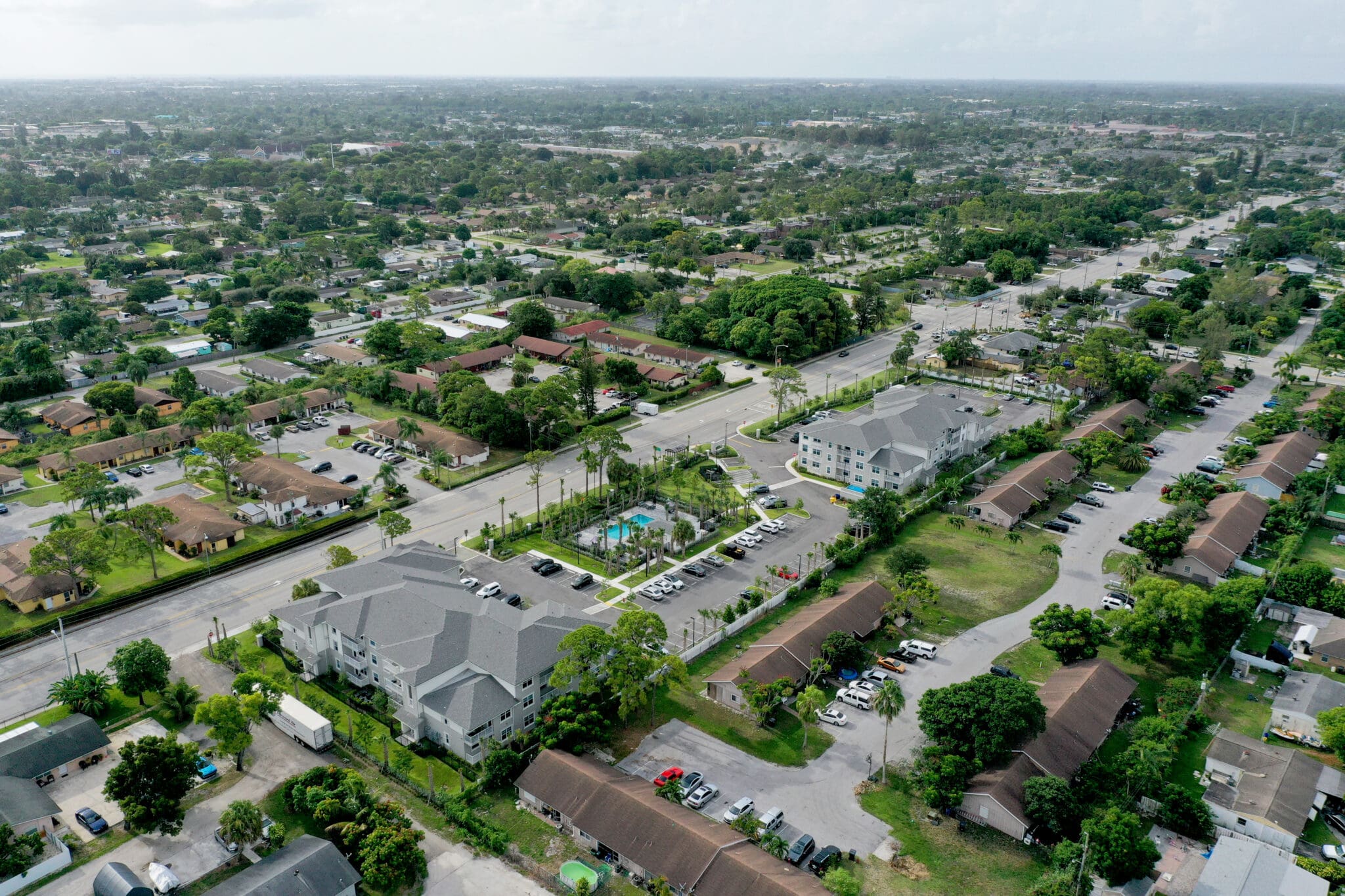
Understanding the drivers behind these trends is equally important. Market data allows planners to look beyond surface-level indicators and examine root causes, whether they involve workforce availability, infrastructure capacity, aging building stock, or regional competition. This deeper understanding helps communities avoid one-size-fits-all solutions and instead tailor strategies to local conditions.
Scenario modeling further strengthens this process. By testing how changes to zoning, infrastructure investment, or development patterns might influence future outcomes, planners can evaluate trade-offs before decisions are made. These forward-looking analyses help communities balance ambition with feasibility and adapt to changing market conditions over time.
Spatial analysis adds another critical layer. Mapping market data alongside parcels, zoning, land values, and infrastructure reveals where opportunity areas exist and where policy barriers may be limiting reinvestment. This approach is especially valuable for corridor studies, downtown strategies, and targeted redevelopment initiatives.
Shaping Economic Development Strategies
Market-informed planning directly influences how economic development strategies are designed and implemented.
Business retention and expansion efforts are more effective when aligned with workforce availability, commuting patterns, and industry trends. Land use and zoning updates are more defensible when they reflect realistic development demand rather than aspirational targets disconnected from the market. Capital improvement priorities can be tied to areas where infrastructure investment will have the greatest economic return.
Market data is also central to redevelopment and revitalization strategies. Understanding vacancy trends, rent performance, and consumer behavior helps planners identify where reinvestment is viable and what types of development are most likely to succeed. For housing strategies, market analysis supports policies that expand supply and diversity while remaining financially feasible for both public and private partners.
In each case, data serves as a bridge between policy goals and implementable outcomes.
Supporting Stakeholders and Building Consensus
Beyond technical analysis, market data plays a vital role in communication and engagement. Clear, well-interpreted data helps elected officials make informed decisions, gives developers and investors confidence in local strategies, and provides residents with transparency around growth and change.
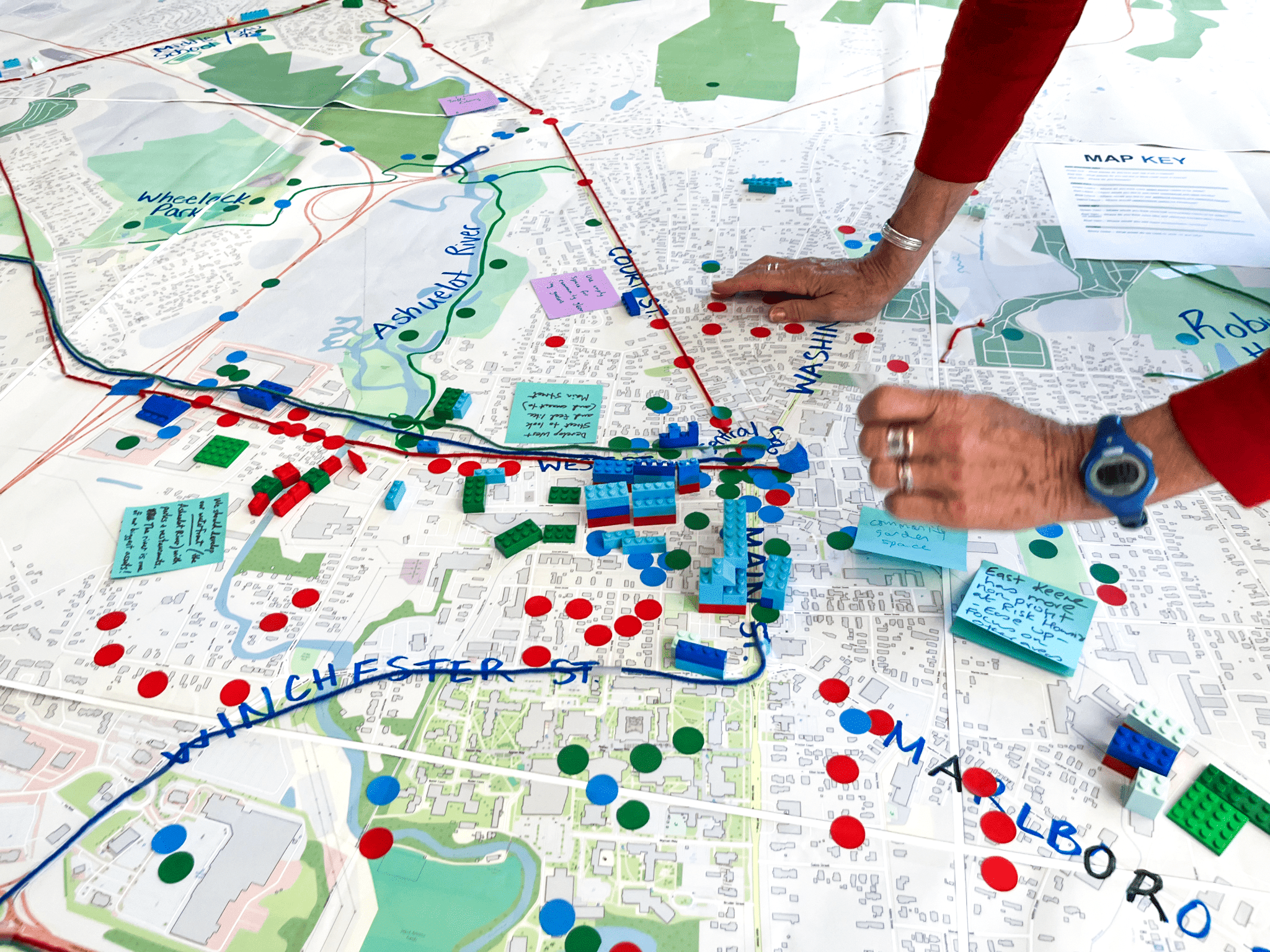
When complex market conditions are translated into accessible narratives and visuals, communities are better equipped to have productive conversations about trade-offs, priorities, and long-term impacts. This shared understanding builds trust and increases the likelihood that economic development strategies move from plan adoption to on-the-ground results.
Navigating Real-World Challenges
Market-based planning is not without its challenges. Data quality varies, markets evolve faster than long-range plans, and economic feasibility must often be balanced with equity and broader public goals. In some cases, small-area or neighborhood-level analysis requires custom data collection to fully understand local conditions.
Addressing these challenges requires an integrated approach, one that combines multiple data sources, updates assumptions regularly, and connects market insight with planning, engineering, and implementation expertise.
The Bottom Line
Market data is not about predicting the future with certainty. It is about reducing uncertainty and making informed, strategic decisions in a complex economic environment.
At WGI, we integrate market insight with land use planning, infrastructure strategy, and economic development expertise to help communities make confident, data-driven decisions. By grounding planning efforts in real-world conditions, we help turn opportunity into lasting, measurable impact.
Contact Us
WGI’s planning team partners with communities to translate market data into actionable economic development strategies, from land use and redevelopment planning to infrastructure alignment and implementation support.
Connect with WGI’s planning experts to learn how data-driven insight can help your community strengthen its economic development approach and position itself for long-term success.