Kimberlee DeBosier, PE
VP, Transportation


WGI is a national design firm creatively transforming infrastructure and real estate through tech-driven services.
You’ve seen our award-winning team, proven expertise, and industry authority. Now let’s make your next project a success.
Our Executive Leadership Team and Practice Area Leaders bring decades of experience and client successes to your next project.
Our nationwide team of engineers, surveyors, planners, and architects offers
market-leading experience.
Our blog covers client interests like infrastructure, real estate, regulations, and smart, connected communities.
Our whitepapers highlight our design experts' innovative insights and best practices for the AEC industry.
Dedicated to your success, we invite you to subscribe to our newsletter for the latest news, case studies, and insights.
Our passionate design professionals frequently share their expertise at webinars and virtual events.
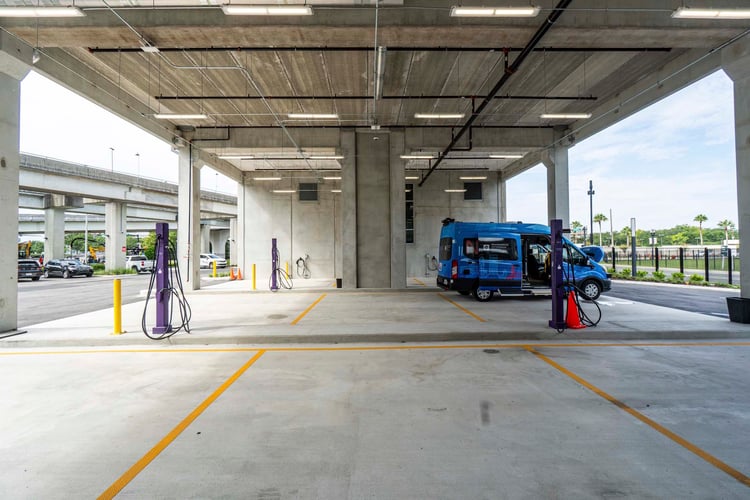
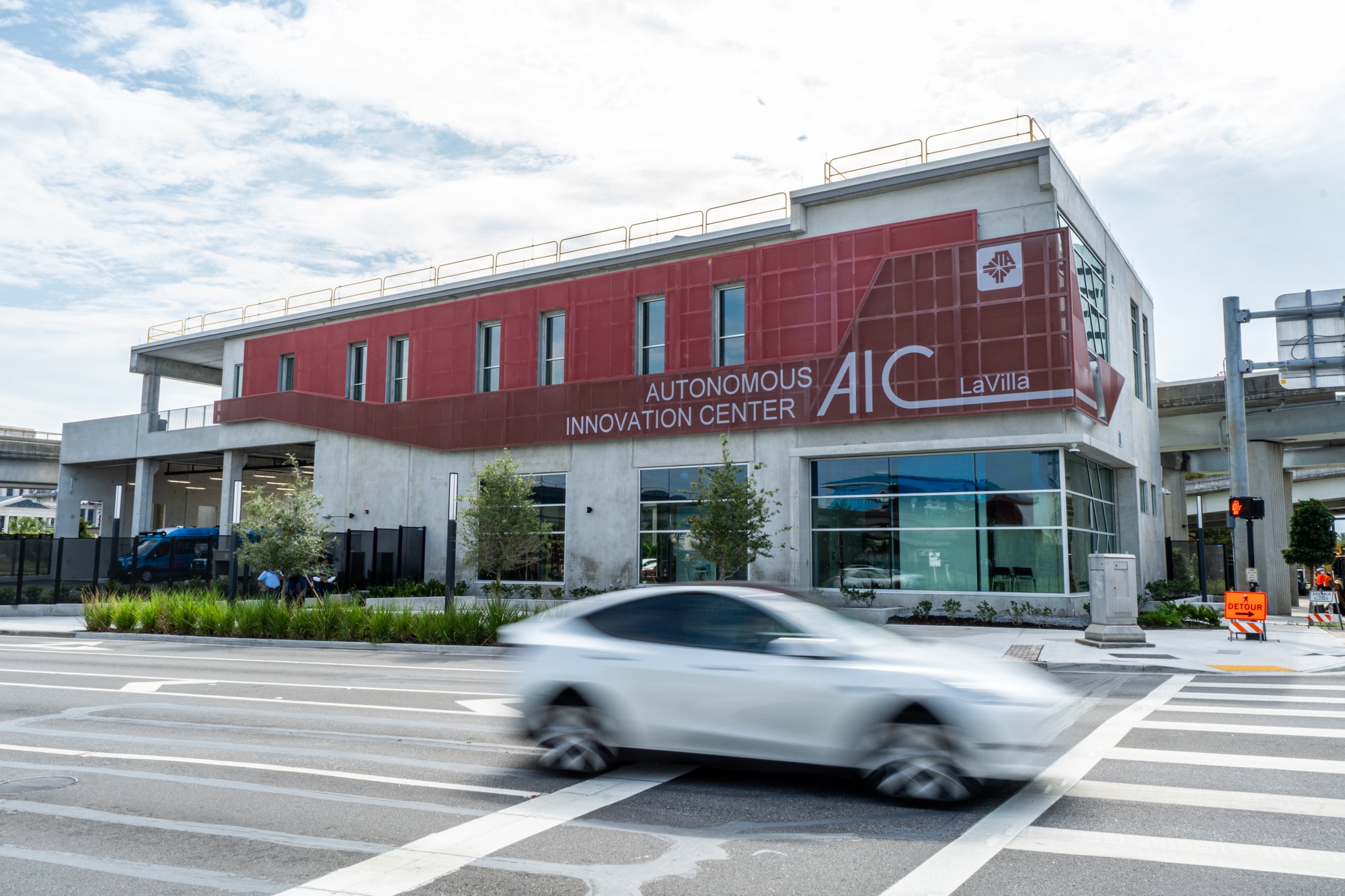
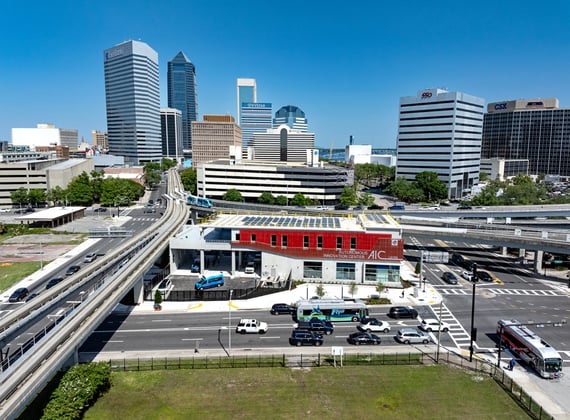
Preparing for autonomous vehicles starts with transportation infrastructure that accommodates innovation and everyday mobility.
Autonomous, Connected, and Shared Systems
Autonomous mobility introduces needs that extend throughout the transportation network. Practical planning from WGI gives agencies a way to evaluate corridors, curb activity, safety needs, and digital framework before new mobility demands accelerate.
Visualization gives agencies and developers a practical way to see how mobility innovations could affect corridors, curb space, access points, and public infrastructure prior to construction. WGI uses digital tools to turn future mobility questions into clearer planning direction.
Agencies can proactively evaluate where autonomous or shared mobility pilots are most practical at the earliest planning stages.
Early analysis gives agencies a stronger basis for deciding which mobility investments should come first.
New mobility programs succeed when communities understand how they will function in real streets. Agencies need planning that makes safety expectations and public benefits easier to see before deployment reaches the public realm.
Future mobility depends on roadway networks that remain adaptable as connected and autonomous systems enter daily use.
New mobility strengthens transit access when first- and last-mile connections are planned around rider needs.
Managed roads can prepare for new mobility by aligning pricing, access, and technology with changing demand.
Autonomous readiness relies on transportation engineering that connects technology goals with everyday corridor use.
New mobility programs need traffic expertise to manage curb activity, crossings, signals, and mixed vehicle movement.
As mobility evolves, adaptable parking facilities accommodate new vehicle technologies and changing patterns of use.
Environmental requirements can quickly affect schedules and permitting. Early coordination reduces delays and supports predictability.
Understand terrain and site conditions with precise geospatial data that guides energy infrastructure decisions.
At WGI, we creatively transform how our world is envisioned, designed, and experienced.
VP, Transportation