.png?width=185&height=175&name=WGI%20Icon_Green%20(1).png)


















Maryland's recent legislative session has delivered a transformative new policy for the state: Senate Bill 891 and House Bill 1466, collectively known as the Accessory Dwelling Units Act of 2025. As the second installment of our Policy Puzzle series, this post explores how Maryland is leveraging Accessory Dwelling Units (ADUs) to address housing affordability, community integration, and sustainable growth.
In our first Policy Puzzle post, we unpacked Maryland’s Solar Policy Evolution - a deep dive into how the state is positioning itself as a clean energy leader. Now, we’re shifting our focus to housing, another critical issue shaping Maryland’s future.
Maryland joins a few other states, such as California, Massachusetts, and Colorado, that have recently required localities to allow ADUs and set statewide standards to streamline their development.
What are ADUs?
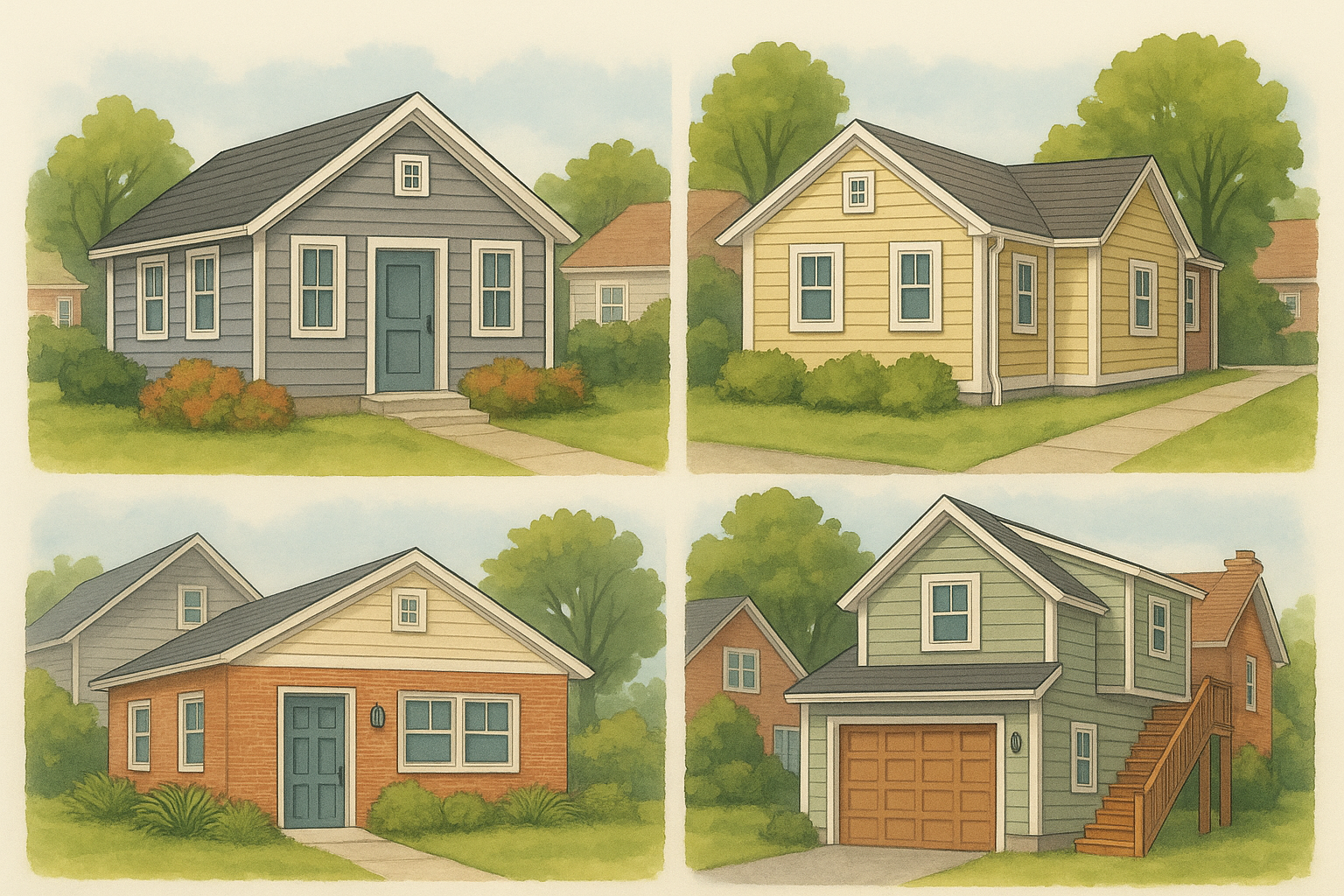
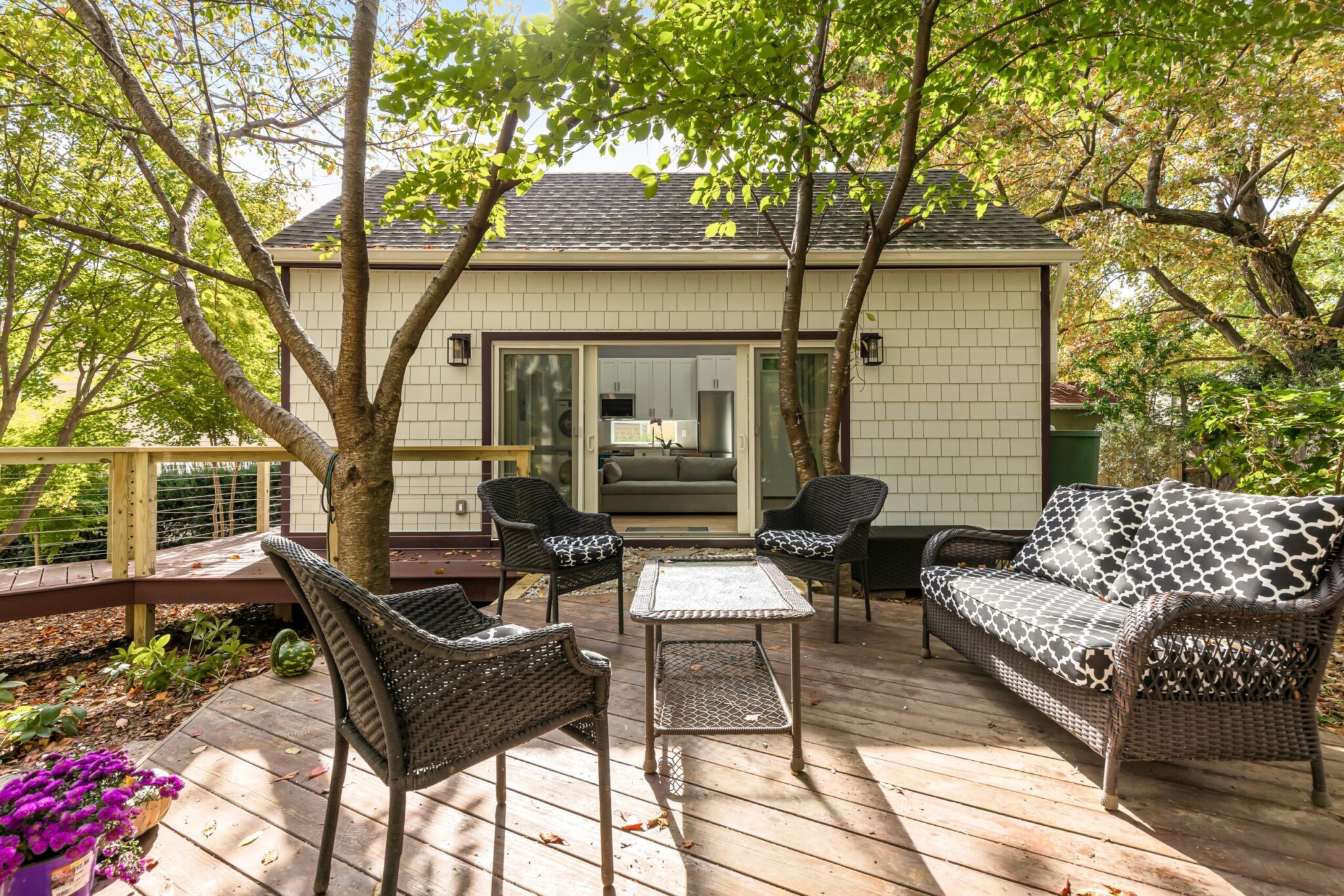
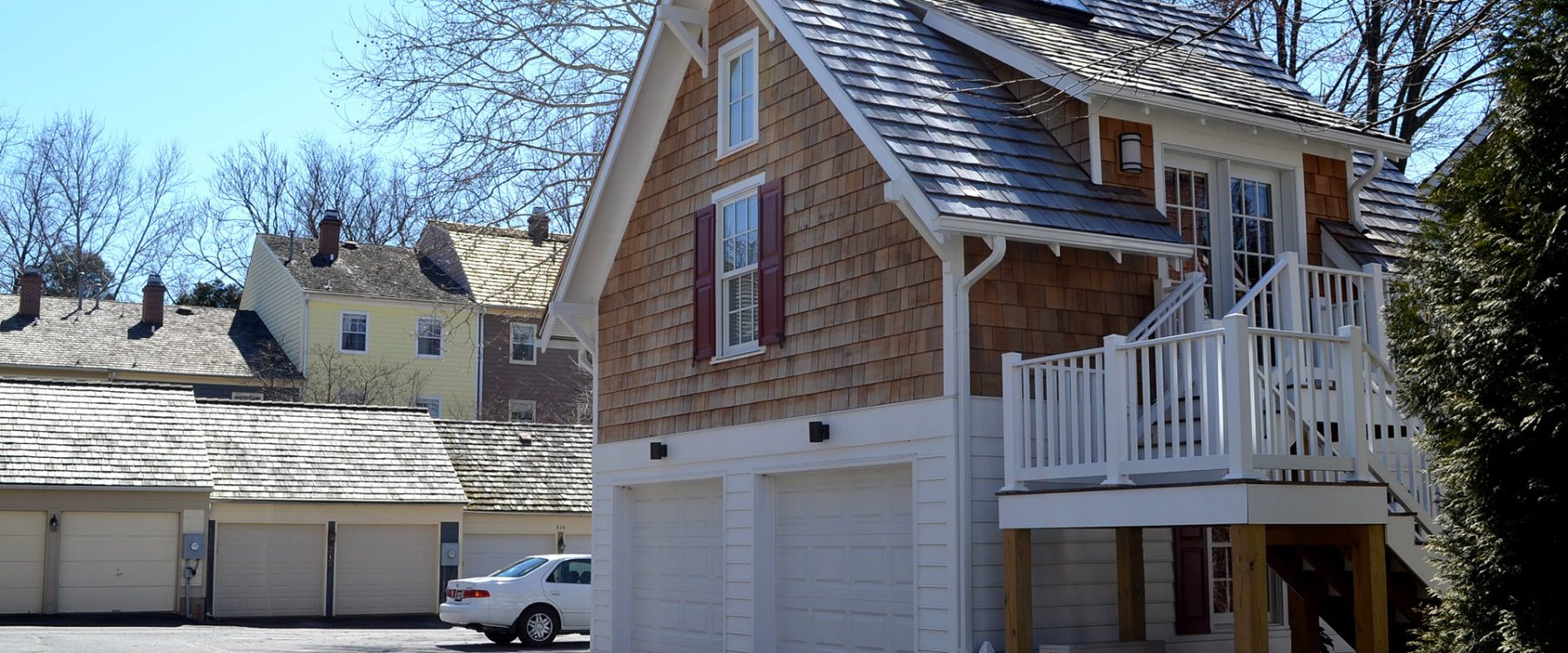
Accessory Dwelling Units, often called "in-law suites," "granny flats," or "backyard cottages," are secondary residential units built on single-family properties. These can take several forms:- Detached units in backyards
- Garage conversions
- Basement or attic apartments
- Attached extensions to existing homes

Key Highlights of the Bill
- Mandatory ADU Authorization
- Clear and Reasonable Standards
- Setting maximum size limits for ADUs (typically around 1,200 square feet)
- Restricting owner-occupancy requirements (owners don't have to live on-site)
- Limiting parking mandates to no more than one additional parking space per ADU
- Local Flexibility Within Guidelines

Why ADUs Matter for Maryland
Maryland’s push for ADUs directly addresses several critical housing challenges:- Housing Affordability: ADUs increase housing supply, providing more affordable rental options.
- Aging-in-Place: Allows elderly residents to remain near family in smaller, manageable units.
- Community Integration: ADUs offer housing diversity without drastically altering neighborhood character.
- Sustainable Growth: Encourages efficient use of existing infrastructure and reduces suburban sprawl.
Planning and Implementation Considerations
The successful implementation of this ambitious policy won't happen overnight. With the October 2026 deadline approaching, communities must now begin revising zoning ordinances, updating comprehensive plans, and engaging residents in meaningful dialogue. Public workshops, educational resources for homeowners, and streamlined permitting processes will be key to ensuring smooth adoption. Proactive communities will find themselves at the forefront of innovative housing policy, attracting new residents, increasing local housing options, and creating stronger neighborhoods.
What's Next?
As Maryland communities begin implementing SB 891 / HB 1466, crucial questions remain:- How will local governments balance state mandates with resident concerns?
- Can Maryland utilize Accessory Dwelling Units (ADUs) to effectively address regional affordability challenges?
- What lessons will emerge that other states could replicate?