.png?width=185&height=175&name=WGI%20Icon_Green%20(1).png)


















Virginia’s status as the “data center capital of the world” is under growing scrutiny. While the state’s data infrastructure has fueled job creation and economic growth, its physical footprint—particularly in Northern Virginia—is drawing increased concern from residents, environmental advocates, and some lawmakers.
The 2025 General Assembly responded with Senate Bill 1449 and House Bill 1601, legislation that would have introduced new safeguards for communities hosting large-scale data centers. But the effort hit a wall at the Governor’s desk.
This latest development builds on growing policy momentum across the Mid-Atlantic. In earlier installments of our Policy Puzzle series, we explored Maryland’s landmark housing affordability legislation and its Renewable Energy Certainty Act—both examples of how state-level policy is evolving in response to community and environmental pressures. Virginia’s current conversation around data center growth represents another critical piece of this broader regional shift.
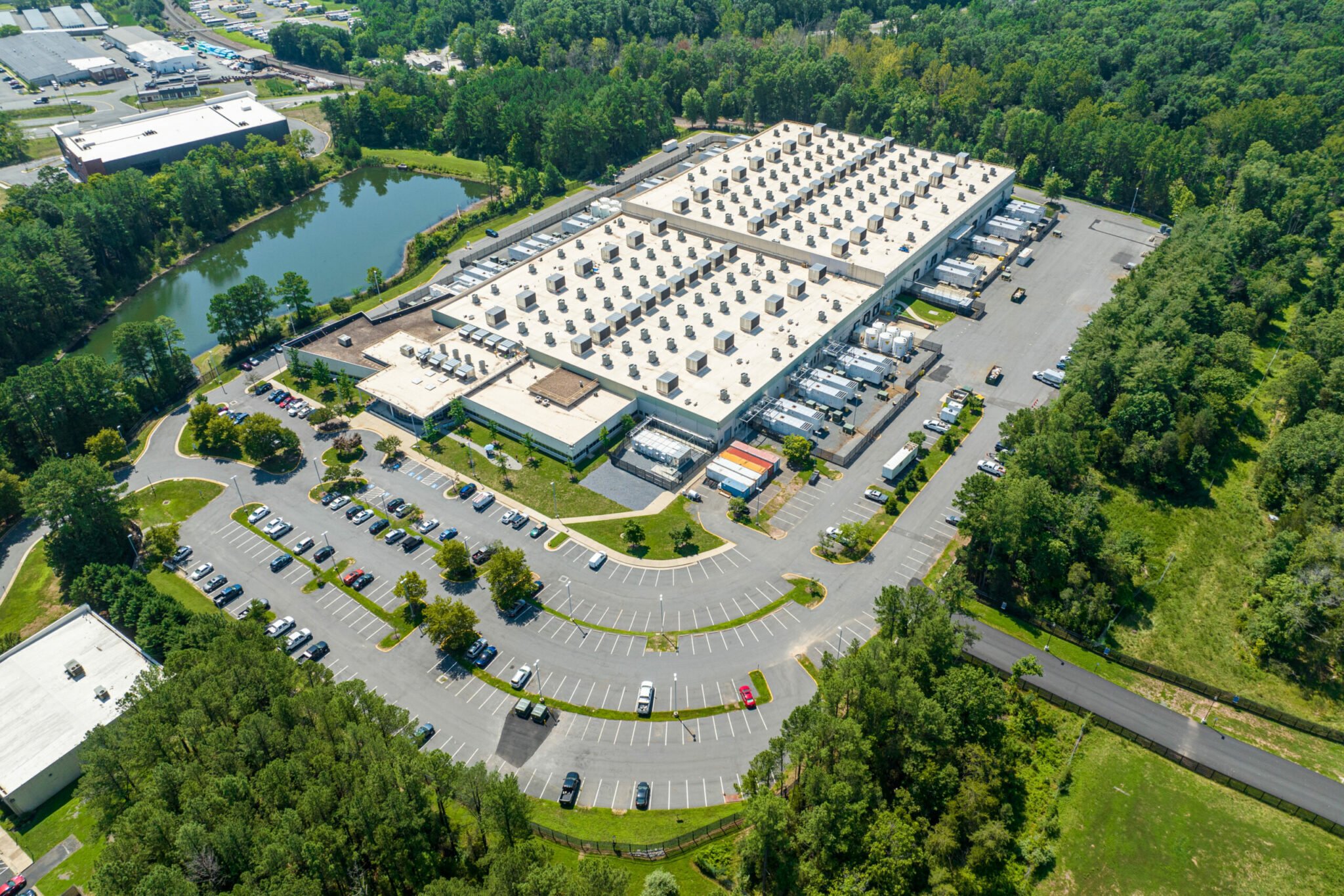 The bills would have required environmental and community impact assessments for any facility needing 100 megawatts or more of power, targeting the largest, most resource-intensive data centers. Site assessments would have had to measure:
 In Loudoun County, officials have already revised zoning rules to require special exceptions for new data centers in certain areas, effectively ending by-right approvals in sensitive locations. Prince William County has faced sustained public opposition to data center projects proposed near schools, parks, and historic sites. Fairfax County has introduced design guidelines and noise monitoring protocols, while smaller jurisdictions are beginning to explore similar measures.
These localized approaches vary widely but share a common theme: a growing recognition that large-scale data infrastructure brings complex trade-offs. While some communities may hold off on new regulations until there is a change in state leadership, others are moving ahead, using zoning tools, comprehensive plan updates, and community input to shape the future of data center development within their borders.
In Loudoun County, officials have already revised zoning rules to require special exceptions for new data centers in certain areas, effectively ending by-right approvals in sensitive locations. Prince William County has faced sustained public opposition to data center projects proposed near schools, parks, and historic sites. Fairfax County has introduced design guidelines and noise monitoring protocols, while smaller jurisdictions are beginning to explore similar measures.
These localized approaches vary widely but share a common theme: a growing recognition that large-scale data infrastructure brings complex trade-offs. While some communities may hold off on new regulations until there is a change in state leadership, others are moving ahead, using zoning tools, comprehensive plan updates, and community input to shape the future of data center development within their borders.
Details of the Proposed Bill
Despite passing both chambers of the Virginia General Assembly, SB 1449 and HB 1601 were vetoed by Governor Glenn Youngkin, who argued that decisions about data center siting and oversight should remain with local governments, not the state legislature.
- Noise levels within 500 feet of schools and homes
- Impacts on groundwater, surface water, and agricultural resources
- Encroachment on parks, registered historic sites, and forest land
- Energy infrastructure demands and grid reliability concerns
- Groundwater withdrawal evaluations
- Impacts on agricultural or rural land uses
- Effects on residential neighborhoods
- Energy infrastructure demands and grid reliability concerns
- Electric utilities must now provide advance notice to local governments when planning new substations or major transmission infrastructure that would serve these facilities. This provision aims to prevent land use surprises and ensure localities have input before major infrastructure commitments are made.
Political Dynamics and Future Plans
In his veto message, Youngkin cited the economic role of the data center industry, noting it supports roughly 74,000 jobs, contributes $5.5 billion in labor income, and adds $9.1 billion to Virginia’s GDP annually. He warned that increased regulation could “allow other states to surpass Virginia” in attracting new data infrastructure investment. The veto puts a temporary halt to the proposed statewide oversight - but not an end to the conversation. Bill patrons Senator Adam Ebbin and Delegate Rip Sullivan have already pledged to revisit the legislation in 2026. With Youngkin term-limited and leaving office next year, the political calculus may shift. Supporters of the bill argue that it provides reasonable, common-sense standards to ensure that data centers do not overwhelm local communities or ecosystems.Local Impact, Statewide Debate
For planners, zoning officials, and residents, the veto means that authority over permitting and site review for large data centers remains with local governments, at least for now. Yet as Virginia’s data center industry continues its rapid expansion, localities are increasingly stepping in to address the community impacts that the state has declined to regulate.