.png?width=185&height=175&name=WGI%20Icon_Green%20(1).png)



















As we revisit our Policy Puzzle series, we shift our focus to Virginia as we decode the complexities of recent and potential state-level urban and community planning policy in the Commonwealth.
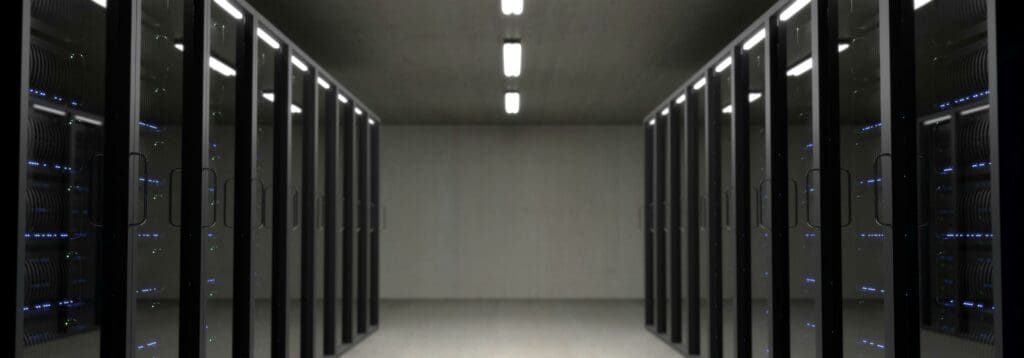
Virginia is home to the world’s largest concentration of data centers, most of which are in Northern Virginia. This proliferation has raised public concern and increased policy efforts to manage their growth.

 For more information on the complexities of recent and potential state-level urban and community planning policy in the Commonwealth or to receive expert support in planning your next project, be sure to Contact Our Team today!

Why Virginia?
Virginia is the perfect ecosystem for data centers due to its competent workforce, accessible energy, safe location, abundant commercial land, proximity to population centers, and, above all…supportive policy. The State of Virginia was a first mover in pro-data center legislation and policy, enacting its first data center tax exemption in 2009. Such incentives include a 6% sales and use tax exemption (on servers, generators, chillers, and server-related equipment) and tax deductibility of recruitment and training costs for new job creation.Land Use Considerations
Data centers have a complex relationship with local communities. They contribute to the local economies, but they can also strain local resources such as water and power.- Economic Growth – Data centers often start as land that is not being actively utilized, and development increases property values and tax revenues for local governments. Data centers pay a lot of local taxes while requiring little in the way of local services.
- Infrastructure Enhancements – Data centers often revitalize underused sites and support infrastructure enhancements such as roads, water, sewer, network fiber, and electrical infrastructure for their operations.
- Environmental Concerns – Data centers can consume large amounts of water for cooling and electricity for power, which can contribute to carbon emissions and other environmental issues. Data centers often cover acres of land, which can lead to loss of forest cover, farmland, and wildlife habitat.
What Policy Efforts are Being Considered?
Virginia lawmakers introduced more than a dozen bills in the 2024 session to add oversight to data center growth in the state. All these bills were defeated or carried over to the 2025 Virginia General Assembly Session. Some would have required data centers to meet energy efficiency standards to garner building permits or tax exemptions.- HB116 – Ties sales and use tax exemption to energy efficiency and procurement of renewables.
- HB910 – Requires quarterly reporting on energy usage.
- SB288 – Requires noise abatement requirements.
- HB1288 – Requires public electric, water, and sewer utilities to have a separate classification for data centers.
- SB191 – Requires aggregate planning of generation, transmission, and distribution and initiates a proceeding to assess the current allocation of costs and amend if found data centers are subsidized.
- SB664 – Prohibits the costs associated with electrical infrastructure required by the industry to be allocated to all ratepayers.
- HB1010 – Prohibits data centers within ¼ mile of schools, parks, or residential areas.
- HB337 – Discourages siting that impacts historic and agricultural resources and prohibits within 1 or ½ mile of a park.
- SB289 – Requires additional stormwater management near parks.
- HB338 – Requires siting assessment on water usage and carbon emissions as well as impact on agriculture.
- SB285 – Requires disclosure of water and power usage at full build-out and site assessment to review impacts.
- SB667 – Removes authority for locality for accelerated permitting.
