.png?width=185&height=175&name=WGI%20Icon_Green%20(1).png)


















In Part 1 and Part 2 of this series, we explored how visualization technology, paired with artificial intelligence and digital twins, is revolutionizing the way projects are imagined and executed across the AEC industry. We looked at how these tools empower engineers, planners, and designers to solve complex challenges with more clarity, creativity, and confidence.
Now, in the final chapter of our series, we shift focus to the broader value of visualization across the full project lifecycle. From streamlining stakeholder engagement and speeding up approvals to enhancing interdisciplinary collaboration and optimizing post-construction operations, visualization is no longer just a design tool…. It’s a strategic asset.
 WGI is leading the charge, delivering immersive, data-informed solutions that help clients see the big picture, align early, and stay on track from concept to completion.
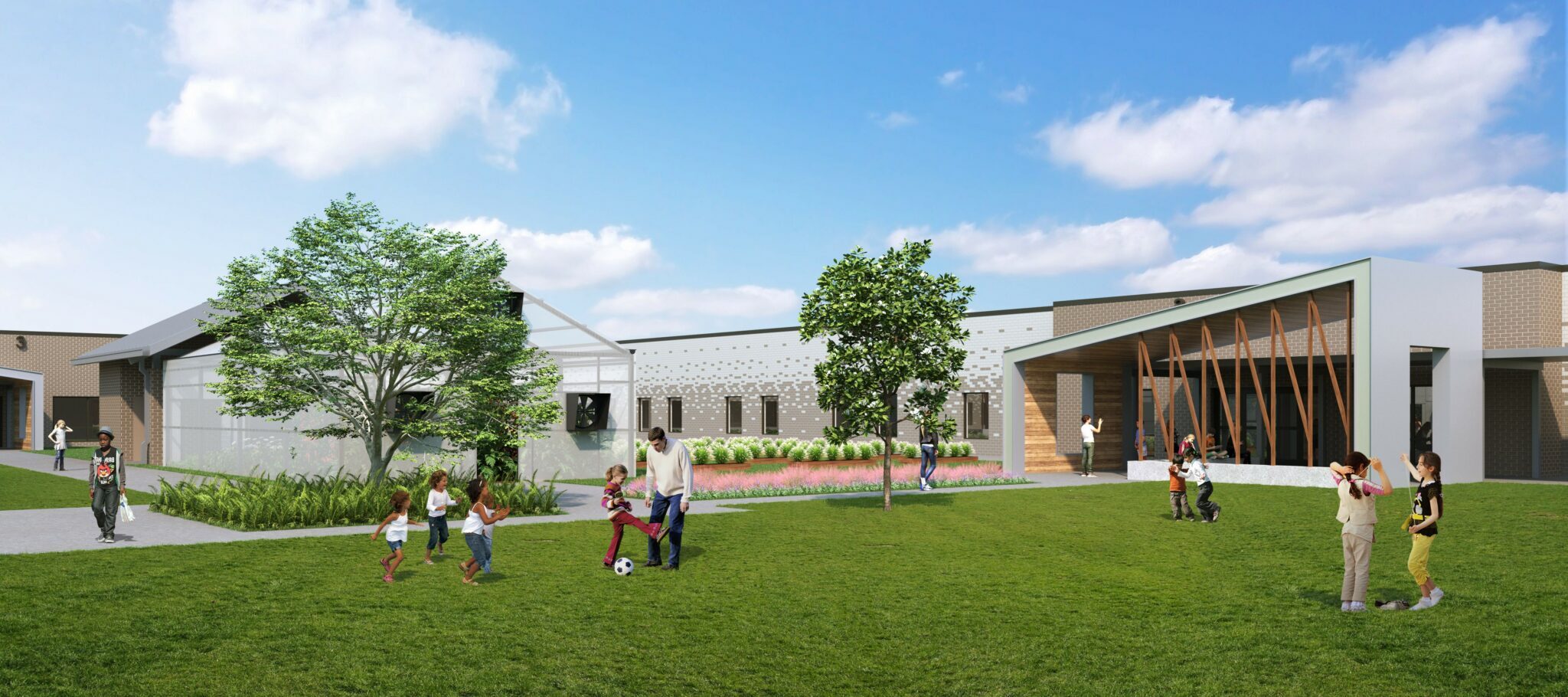 At WGI, we’ve seen firsthand how high-quality visualizations:
 Whether we’re planning a new development, designing critical infrastructure, or analyzing complex traffic flows, visualization enhances every conversation. Our planning experts use 3D modeling to explore land-use scenarios and optimize density. Structural engineers incorporate visualization to assess constructability and anticipate staging requirements. Meanwhile, our mobility team utilizes simulation tools to analyze real-time interactions between vehicles, cyclists, and pedestrians, leading to safer and more efficient corridor designs.
By weaving visualization into every phase and discipline, we’re able to deliver holistic, forward-thinking solutions that exceed expectations.
Whether we’re planning a new development, designing critical infrastructure, or analyzing complex traffic flows, visualization enhances every conversation. Our planning experts use 3D modeling to explore land-use scenarios and optimize density. Structural engineers incorporate visualization to assess constructability and anticipate staging requirements. Meanwhile, our mobility team utilizes simulation tools to analyze real-time interactions between vehicles, cyclists, and pedestrians, leading to safer and more efficient corridor designs.
By weaving visualization into every phase and discipline, we’re able to deliver holistic, forward-thinking solutions that exceed expectations.
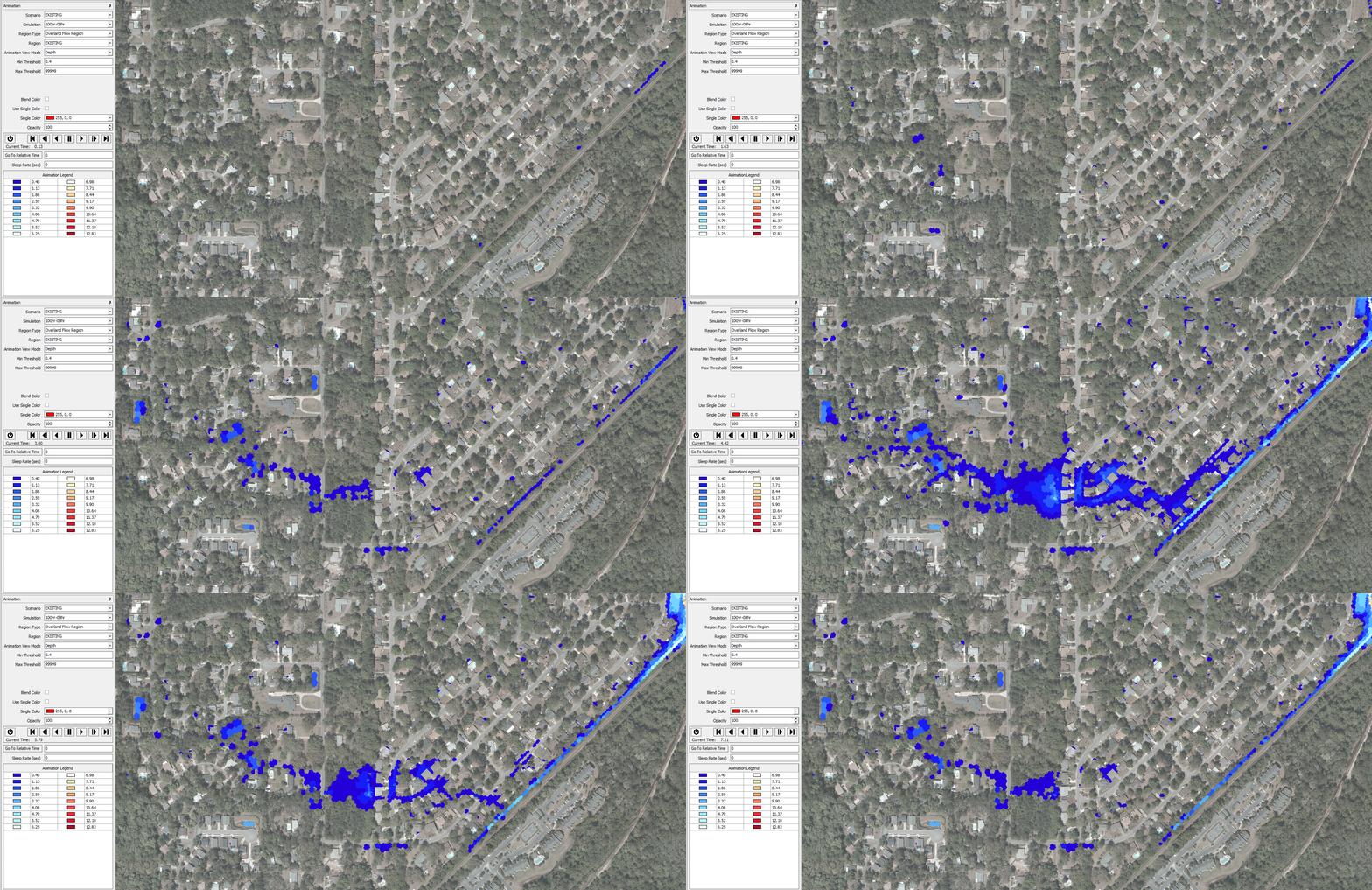 Together, these tools allow WGI to deliver better projects – faster, smarter, and with greater precision.

A Tool for Every Phase
Visualization is no longer a “nice to have” – it’s a core enabler of modern infrastructure delivery. When deployed early and carried through to completion, visualization improves outcomes at every stage:- Planning & Conceptual Design: Early visual concepts and virtual environments help clients and communities imagine the impact of a project long before construction begins. These assets support public meetings, grant applications, and internal approvals with clarity and confidence.
- Design Development: Visualization tools create a shared language across disciplines. Engineers, planners, landscape architects, and other stakeholders can align more quickly using immersive models, reducing the likelihood of miscommunication and rework.
- Permitting & Public Engagement: Photorealistic renderings, animations, and virtual reality (VR) walkthroughs help community members understand proposals in tangible ways. These assets often lead to faster buy-in from permitting agencies and local stakeholders.
- Construction & Operations: During construction, visualization supports phasing plans, detour modeling, and contractor coordination. Post-construction, assets like digital twins continue to serve owners and operators with real-time system insights and maintenance planning.
Stronger Buy-In, Faster Approvals
One of the most transformative benefits of visualization is how it changes the conversation with the public. Complex plans and technical data can be confusing and even intimidating for non-technical audiences. But when these ideas are brought to life through visual storytelling, they become accessible and compelling.
- Clarify project intent
- Address concerns before they become roadblocks
- Build community trust
- Inspire civic and political support
Collaboration Across Disciplines
At WGI, visualization is deeply integrated into our multidisciplinary approach, it doesn’t exist in a silo. It acts as a bridge between our diverse service lines, empowering our teams to communicate ideas more effectively, make faster decisions, and tackle challenges collaboratively.
The WGI Vision: Innovation in Every Step
Our commitment to innovation goes far beyond rendering software. WGI invests in digital services that complement and enhance visualization, including:- Digital twins for long-term infrastructure management
- AI-powered simulations for smarter forecasting
- Cloud-based platforms for remote collaboration
- Visualization tools that keep projects moving forward
