.png?width=185&height=175&name=WGI%20Icon_Green%20(1).png)











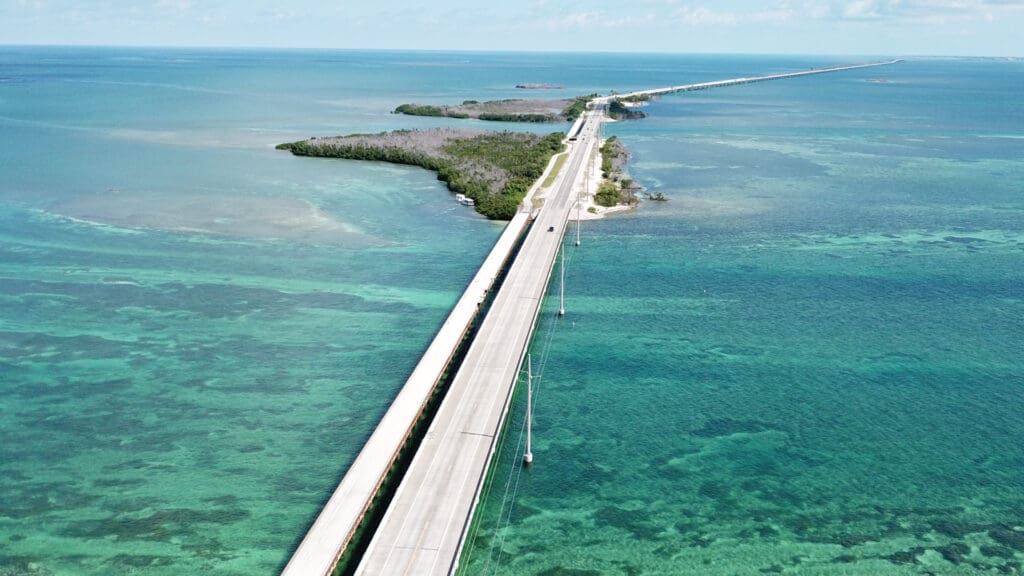
Florida’s coastal environment is one of the most ecologically diverse and economically significant systems in the United States. With approximately 1,350 miles of general coastline and more than 8,436 miles of tidally influenced shoreline, including islands, bays, bayous, estuaries, and inlets, Florida maintains the longest coastline in the contiguous United States. Where land meets water, highly specialized coastal and estuarine marine benthic resources and wetlands create critical ecological transition zones that support biodiversity, protect infrastructure, and sustain coastal communities.
These systems include salt marshes, mangrove forests, seagrass beds, coral habitats, and other marine benthic resources that provide substantial ecological value and function. In addition to supporting plant biodiversity and essential wildlife habitat, these systems contribute to water quality improvements through runoff filtration, provide storm surge attenuation, support carbon sequestration, and create nursery and foraging habitat for commercially and recreationally important fisheries.
As Florida’s coastal communities continue to grow, these natural systems face increasing development pressure, regulatory scrutiny, and environmental risk. Successfully navigating projects within or adjacent to coastal wetlands and marine resources requires early environmental planning, technical expertise, and strategic coordination with regulatory agencies and stakeholders.
 Project approvals may involve coordination with multiple agencies, including:
 At WGI, our environmental specialists integrate permitting strategy and mitigation planning early in project development to support streamlined approvals, accurate budgeting, and reduced project risk.
 Many coastal systems provide Essential Fish Habitat (EFH) regulated under the Magnuson-Stevens Fishery Conservation and Management Act. Activities with the potential to affect listed species or result in incidental take may require formal consultation and approvals under Section 7 or Section 10 of the Endangered Species Act.
Wildlife surveys and species-specific evaluations are often necessary to determine project impacts and support agency and stakeholder coordination. Depending on the location and resource type, projects may also be subject to seasonal survey windows, construction timing limitations, and operational restrictions.
Examples of common environmental constraints in Florida include:
Many coastal systems provide Essential Fish Habitat (EFH) regulated under the Magnuson-Stevens Fishery Conservation and Management Act. Activities with the potential to affect listed species or result in incidental take may require formal consultation and approvals under Section 7 or Section 10 of the Endangered Species Act.
Wildlife surveys and species-specific evaluations are often necessary to determine project impacts and support agency and stakeholder coordination. Depending on the location and resource type, projects may also be subject to seasonal survey windows, construction timing limitations, and operational restrictions.
Examples of common environmental constraints in Florida include:
 Early and consistent communication is critical to identifying potential concerns before they become project roadblocks. This includes understanding evolving regulatory climates, emerging policy changes, agency review expectations, and public sensitivities associated with waterfront development.
Through strategic coordination and agency-vetted project concepts, WGI helps clients:
Early and consistent communication is critical to identifying potential concerns before they become project roadblocks. This includes understanding evolving regulatory climates, emerging policy changes, agency review expectations, and public sensitivities associated with waterfront development.
Through strategic coordination and agency-vetted project concepts, WGI helps clients:
 SLIP studies are becoming an increasingly important component of coastal planning, infrastructure resilience, and long-term asset risk management. Integrating sea-level rise considerations early in project planning can improve infrastructure longevity, reduce vulnerability, and support sustainable design solutions.
WGI works with clients to evaluate resilience considerations alongside permitting, environmental compliance, and infrastructure planning to support adaptive and future-focused project delivery.
SLIP studies are becoming an increasingly important component of coastal planning, infrastructure resilience, and long-term asset risk management. Integrating sea-level rise considerations early in project planning can improve infrastructure longevity, reduce vulnerability, and support sustainable design solutions.
WGI works with clients to evaluate resilience considerations alongside permitting, environmental compliance, and infrastructure planning to support adaptive and future-focused project delivery.
Understanding the Regulatory Landscape
Coastal wetlands and marine benthic resources in Florida are subject to extensive local, state, and federal regulatory requirements. Environmental permit authorizations are often required for unavoidable impacts to wetlands, benthic habitats, and adjacent upland development activities. Even restoration or ecological enhancement projects may trigger permitting and compliance obligations depending on the scope and location of work.
- Florida Water Management Districts (WMDs)
- Local municipalities and county agencies
 At WGI, our environmental specialists integrate permitting strategy and mitigation planning early in project development to support streamlined approvals, accurate budgeting, and reduced project risk.
Applying the Environmental Lens Early in Project Development
One of the most effective ways to reduce permitting hurdles and avoid costly project delays is to integrate environmental due diligence during conceptual planning and preliminary design. WGI’s environmental specialists apply an environmental lens early in the life of a project to identify potential constraints, evaluate resource impacts, and support avoidance and minimization strategies before designs become fixed. This proactive approach allows project teams to make informed decisions that reduce environmental impacts while supporting constructability, funding requirements, and schedule objectives. Early coordination and data collection efforts may include:- Wetland delineations and jurisdictional determinations
- Marine benthic resource mapping
- Threatened and endangered species and habitat assessments
- Essential Fish Habitat (EFH) assessments
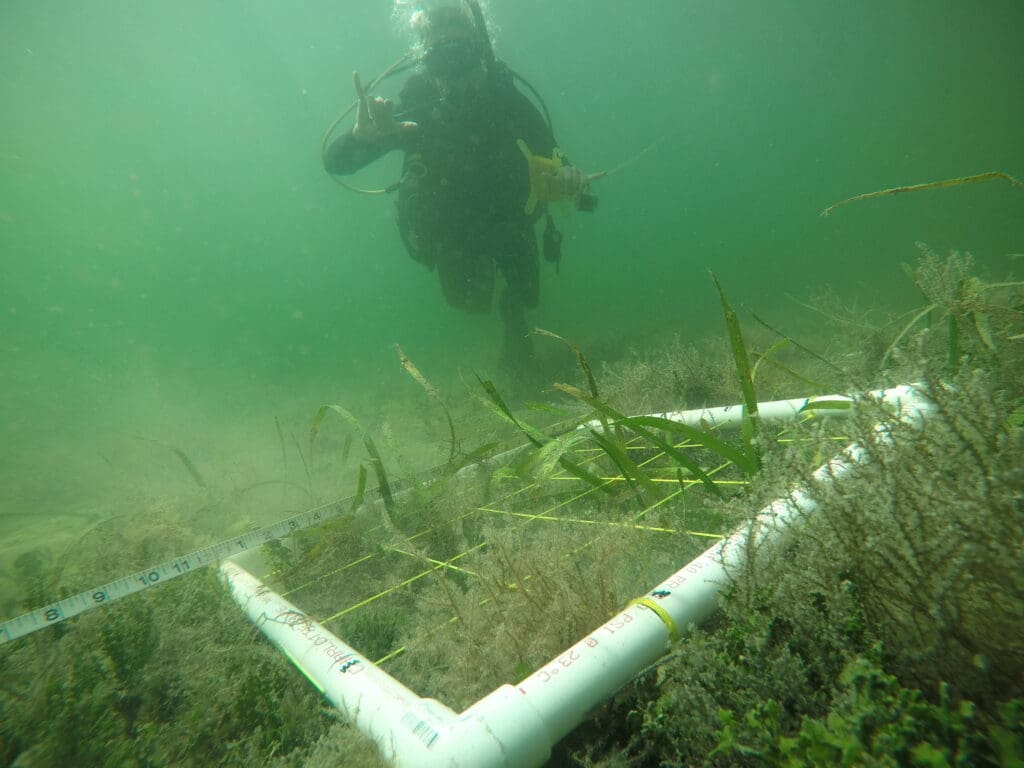
- Seagrass surveys
- Agency coordination meetings
- Environmental permitting strategy development
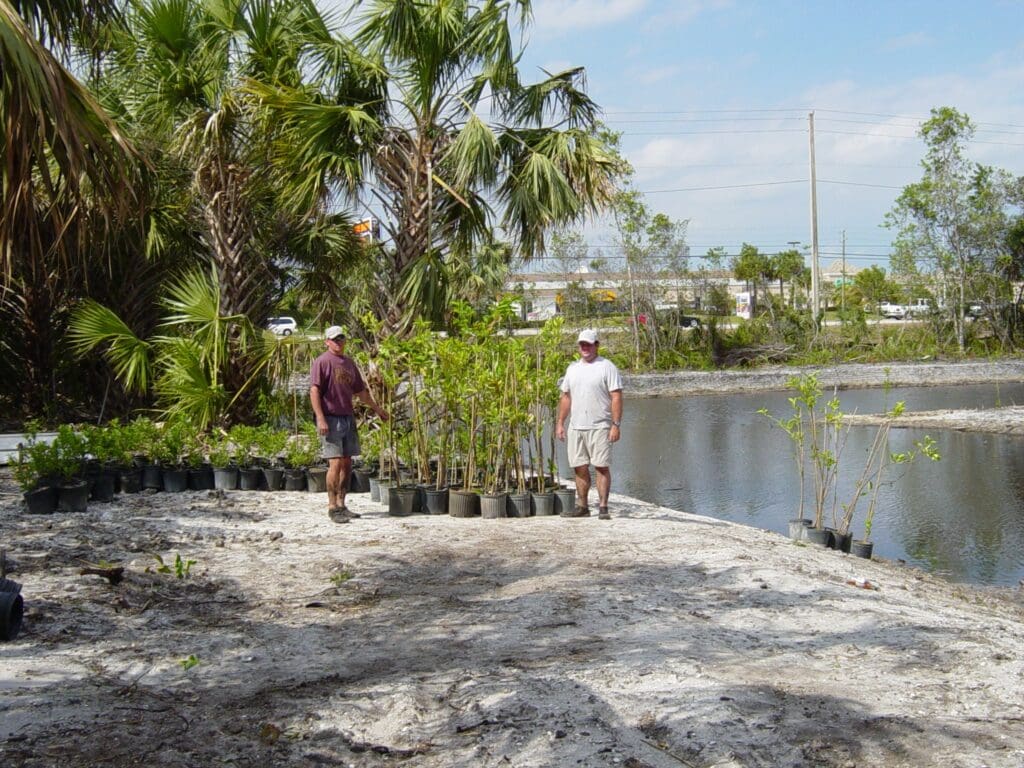
- Mitigation feasibility analysis and implementation
- NEPA compliance on federalized projects
Ecological Significance and Protected Species Considerations
Florida’s coastal wetlands and marine benthic habitats support a wide range of threatened and endangered species, creating additional layers of regulatory coordination and environmental review. Many coastal systems provide Essential Fish Habitat (EFH) regulated under the Magnuson-Stevens Fishery Conservation and Management Act. Activities with the potential to affect listed species or result in incidental take may require formal consultation and approvals under Section 7 or Section 10 of the Endangered Species Act.
Wildlife surveys and species-specific evaluations are often necessary to determine project impacts and support agency and stakeholder coordination. Depending on the location and resource type, projects may also be subject to seasonal survey windows, construction timing limitations, and operational restrictions.
Examples of common environmental constraints in Florida include:
Many coastal systems provide Essential Fish Habitat (EFH) regulated under the Magnuson-Stevens Fishery Conservation and Management Act. Activities with the potential to affect listed species or result in incidental take may require formal consultation and approvals under Section 7 or Section 10 of the Endangered Species Act.
Wildlife surveys and species-specific evaluations are often necessary to determine project impacts and support agency and stakeholder coordination. Depending on the location and resource type, projects may also be subject to seasonal survey windows, construction timing limitations, and operational restrictions.
Examples of common environmental constraints in Florida include:
- Seagrass surveys that must be conducted during the approved growing season, typically June 1 through September 30, depending on geographic location
- Survey validity periods that expire after one year, potentially requiring repeat surveys during phased construction
- Daytime-only construction restrictions in coastal environments
- Sea turtle nesting season and coastal lighting and construction limitations
- USACE dock construction guidelines and overwater shading criteria
Managing Risk Through Strategic Coordination
Environmental permitting challenges rarely occur in isolation. Coastal infrastructure projects often involve overlapping stakeholder interests, public engagement considerations, evolving regulatory expectations, and funding-driven timelines. Many WGI environmental professionals previously served within state and federal regulatory agencies, providing our teams with a firsthand understanding of agency processes, technical expectations, and permitting pathways. This experience allows WGI to facilitate effective coordination between project teams, regulatory staff, stakeholders, and the public throughout all phases of project delivery.
- Reduce permitting uncertainty
- Minimize redesign and rework
- Improve schedule reliability
- Support accelerated project delivery
- Align with grant funding requirements and deadlines
- Develop publicly supported infrastructure solutions
- Maintain compliance
Sea-Level Rise and Long-Term Coastal Resilience
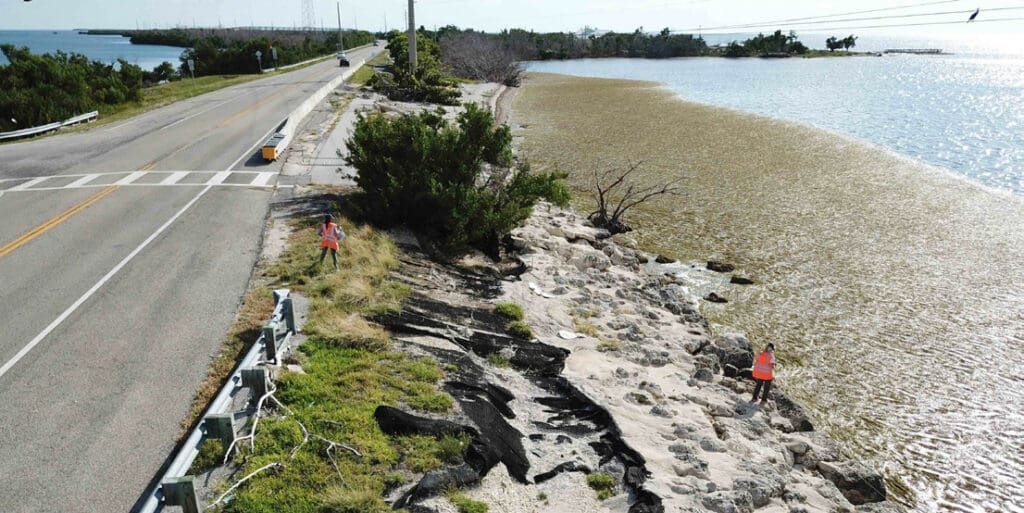
As coastal environments continue to experience increased environmental stressors and development pressure, long-term resilience planning is becoming increasingly important for both public and private infrastructure projects. Florida now requires certain publicly funded construction projects located within areas vulnerable to sea-level rise to conduct a Sea-Level Impact Projection (SLIP) study under Section 380.0937, Florida Statutes. The statute states:“Section 380.0937, Florida Statutes (F.S.), requires state agencies, municipalities, counties, special districts, authorities or other corporate bodies of the state, which commission or manage a construction project within areas at risk due to sea level rise using funds appropriated from the state to conduct a SLIP study.”
