Structural engineering is most effective when every decision is connected to the larger project environment. WGI’s multi-discipline approach keeps structural systems aligned with design intent and delivery needs, giving clients a more coordinated path from concept to construction.
Purpose-Built Systems
Early coordination of architecture, civil, MEP, and delivery priorities improves structural performance.
Collaborative Process
Ongoing coordination helps structural teams understand project priorities and make decisions that protect intended outcomes.
Core Services
Vertical Structures
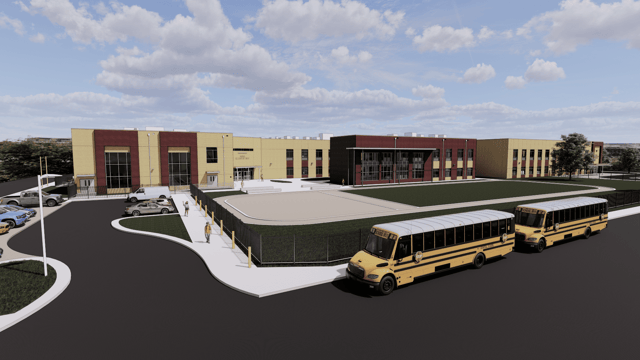
For buildings and other vertical assets, structural design must strengthen the architectural vision while staying practical to build.
Horizontal Structures
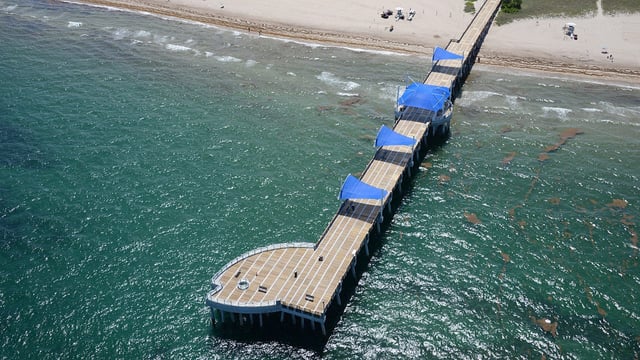
Decks, plazas, podiums, and similar assets benefit from structural decisions that account for how the site functions above and below the surface.
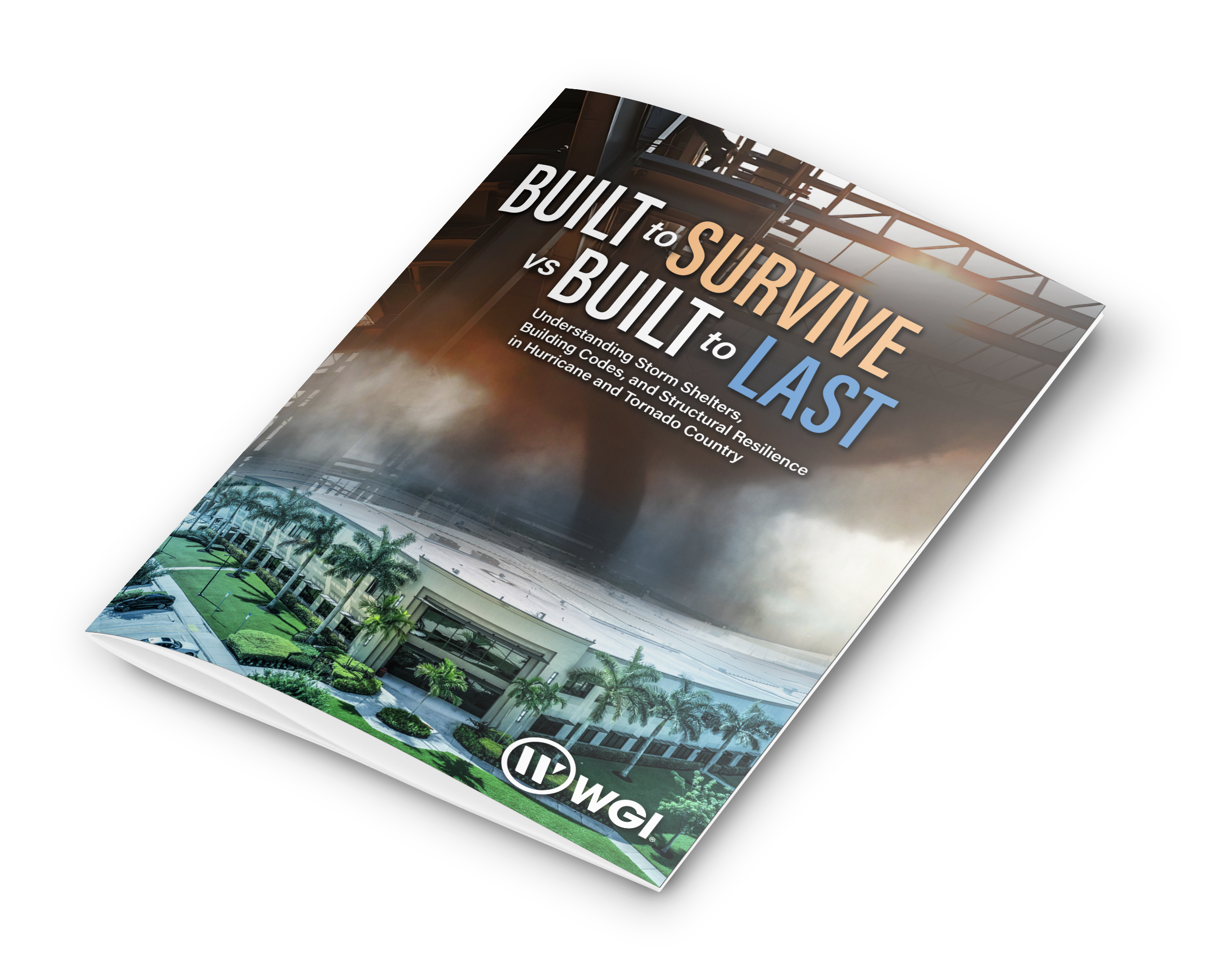
Understanding Storm Shelters, Building Codes, and Structural Resilience in Hurricane and Tornado Country
DIGITAL STRUCTURAL COORDINATION
Technology-Enabled Structural Engineering and Analysis
Model-based structural design helps teams understand how systems perform within the holistic project environment. With BIM-integrated workflows, WGI can test structural decisions in context so coordination issues are addressed earlier and delivery becomes more predictable.
Parametric Analysis
Parametric tools compare structural options quickly, making it simple to refine systems before final design.
Future-Ready Modeling
Digital structural models create adaptable information for design planning, delivery, and future asset use.
A three-story addition over the top of the existing Clive Bar in the Rainey Street District creates a whimsical treehouse-like effect. Various elevated decks, m…
Location
Austin, Texas
Asset Class
Cities and Communities
View project
Contact Our Team About Your Next Project.
At WGI, we creatively transform how our world is envisioned, designed, and experienced.


.jpeg?width=1920&height=993&name=2.1.3%20Structural%20Engineering%20(1).jpeg)
.jpeg?length=2700&name=2.1.3%20Structural%20Engineering%20(17).jpeg&hsLang=en)
.jpeg?length=2700&name=2.1.3%20Structural%20Engineering%20(2).jpeg&hsLang=en)
.jpeg?length=2700&name=2.1.3%20Structural%20Engineering%20(11).jpeg&hsLang=en)

.png?width=185&height=175&name=WGI%20Icon_Green%20(1).png)


















.jpeg?width=750&name=2.1.3%20Structural%20Engineering%20(14).jpeg)
.jpeg?width=1920&height=1441&name=2.1.3%20Structural%20Engineering%20(7).jpeg)

.png?width=240&height=240&name=Robby-Vogel_500x500%202%20(1).png)