Stretching across the Biscayne Bay Aquatic Preserve, the SR 934 / NE 79th Street Causeway (also known as the John F. Kennedy Causeway) serves as a vital link between mainland Miami, North Bay Village, and the barrier islands. It is not only a heavily traveled commuter route; it is also a designated emergency evacuation corridor essential to regional safety and mobility.
Today, this corridor is undergoing a major transformation. The Florida Department of Transportation District Six (FDOT D6) is replacing four aging bridges and modernizing the roadway to improve multimodal access, enhance storm resilience, and strengthen long-term operational reliability. Because the improvements extend directly through one of South Florida’s most sensitive marine ecosystems, FDOT has entrusted WGI’s environmental team to help deliver the project with the highest level of ecological stewardship.
For nearly a decade, WGI has supported FDOT through its Districtwide Environmental Permits Contract, now in year nine of a $1.5M assignment, and has earned two consecutive perfect consultant evaluations. That longstanding relationship established the foundation for our environmental role on the 79th Street Causeway project, where scientific rigor, regulatory coordination, and resource protection are guiding every decision.
A Vision to Protect People and the Bay
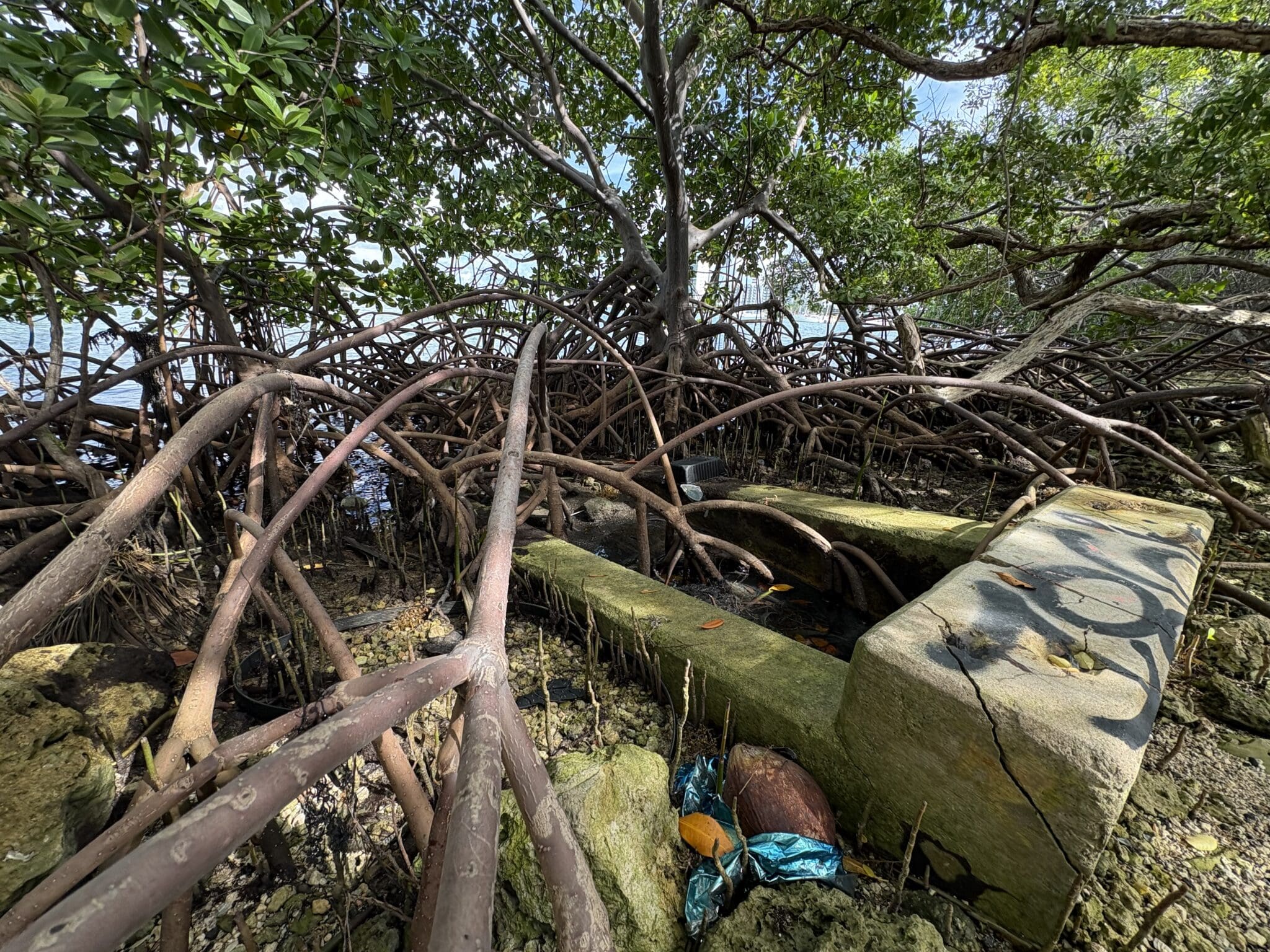
The bridge replacement project aims to serve multiple goals at once: improving regional mobility, reinforcing a critical evacuation route, and enhancing infrastructure resilience in the face of rising seas and stronger coastal storms. As the design progresses, this vision is being shaped by a careful understanding of the surrounding environment: a complex mix of mangrove shorelines, seagrass beds, hard-bottom communities, and protected marine species.
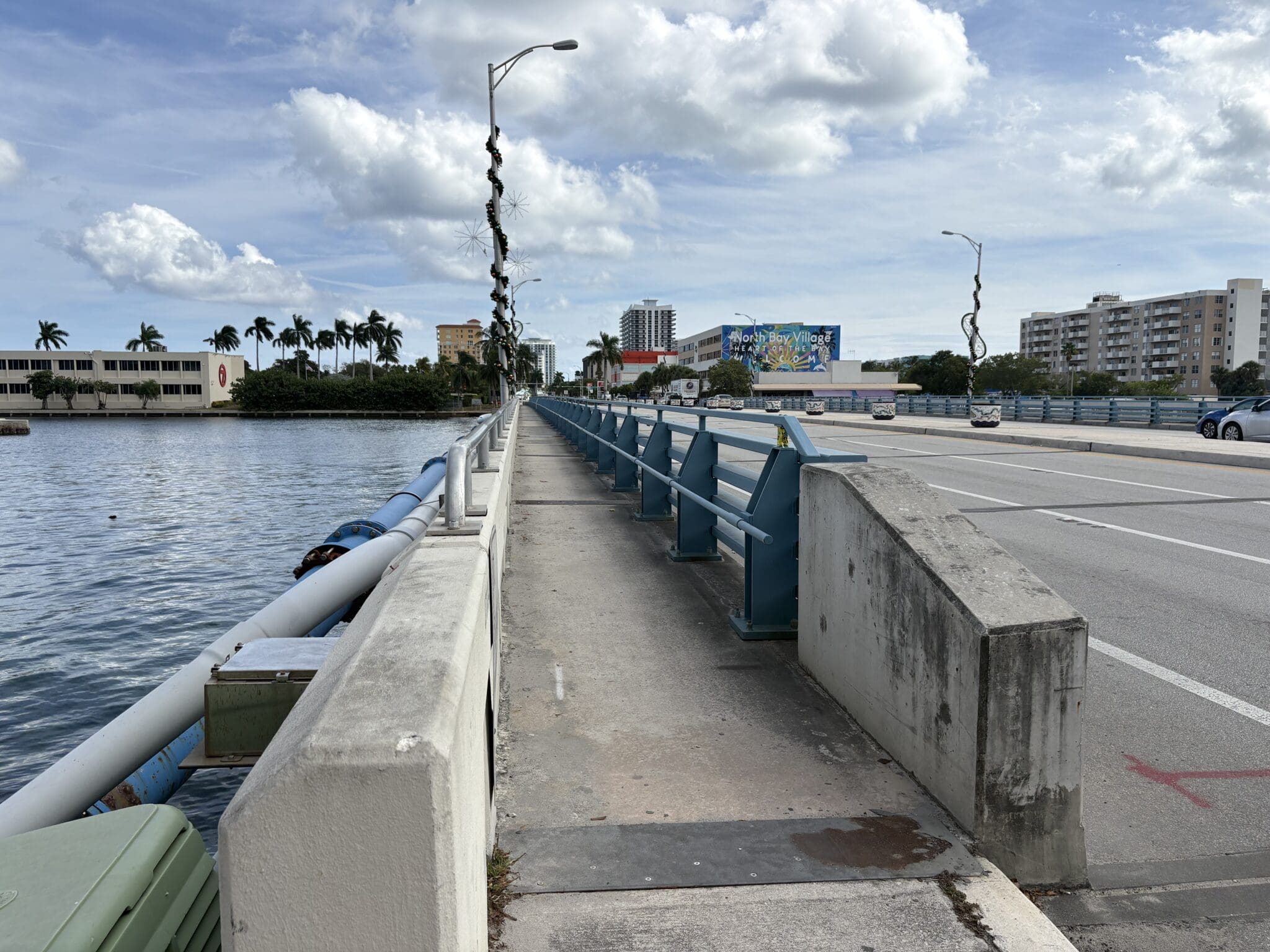
From the very beginning, WGI helped FDOT navigate these sensitivities during the Project Development & Environment (PD&E) Study. Our specialists contributed to technical reviews, ecological evaluations, and the documentation needed to secure the project’s federal Categorical Exclusion (Type 2). This early involvement allowed environmental considerations to be thoughtfully integrated before design work began in earnest.
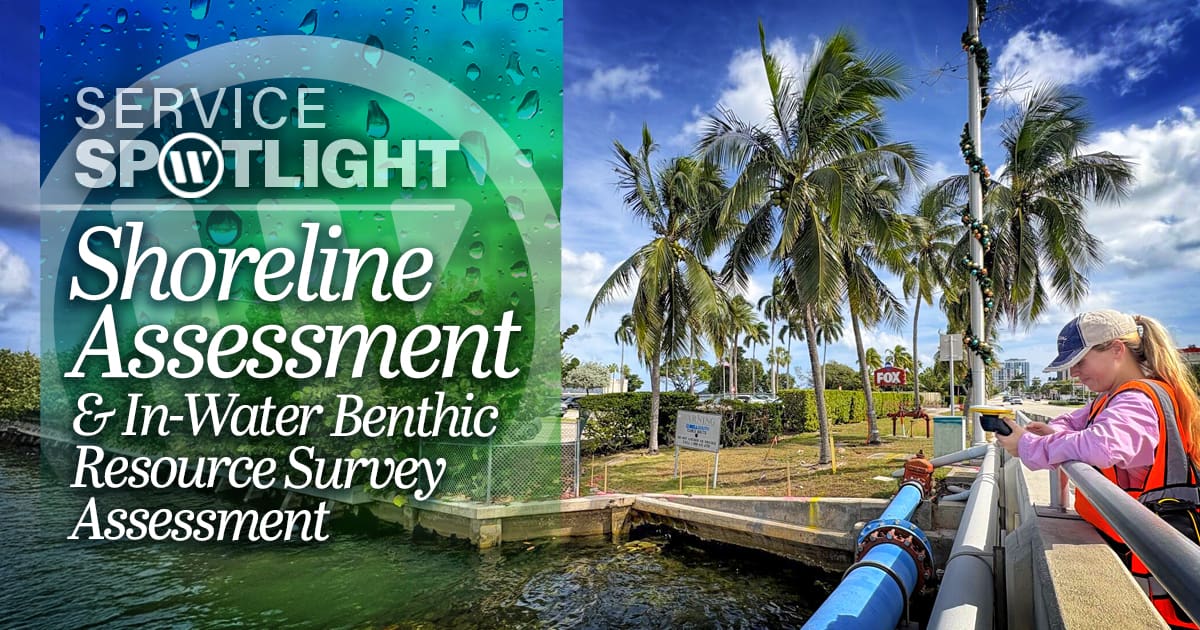
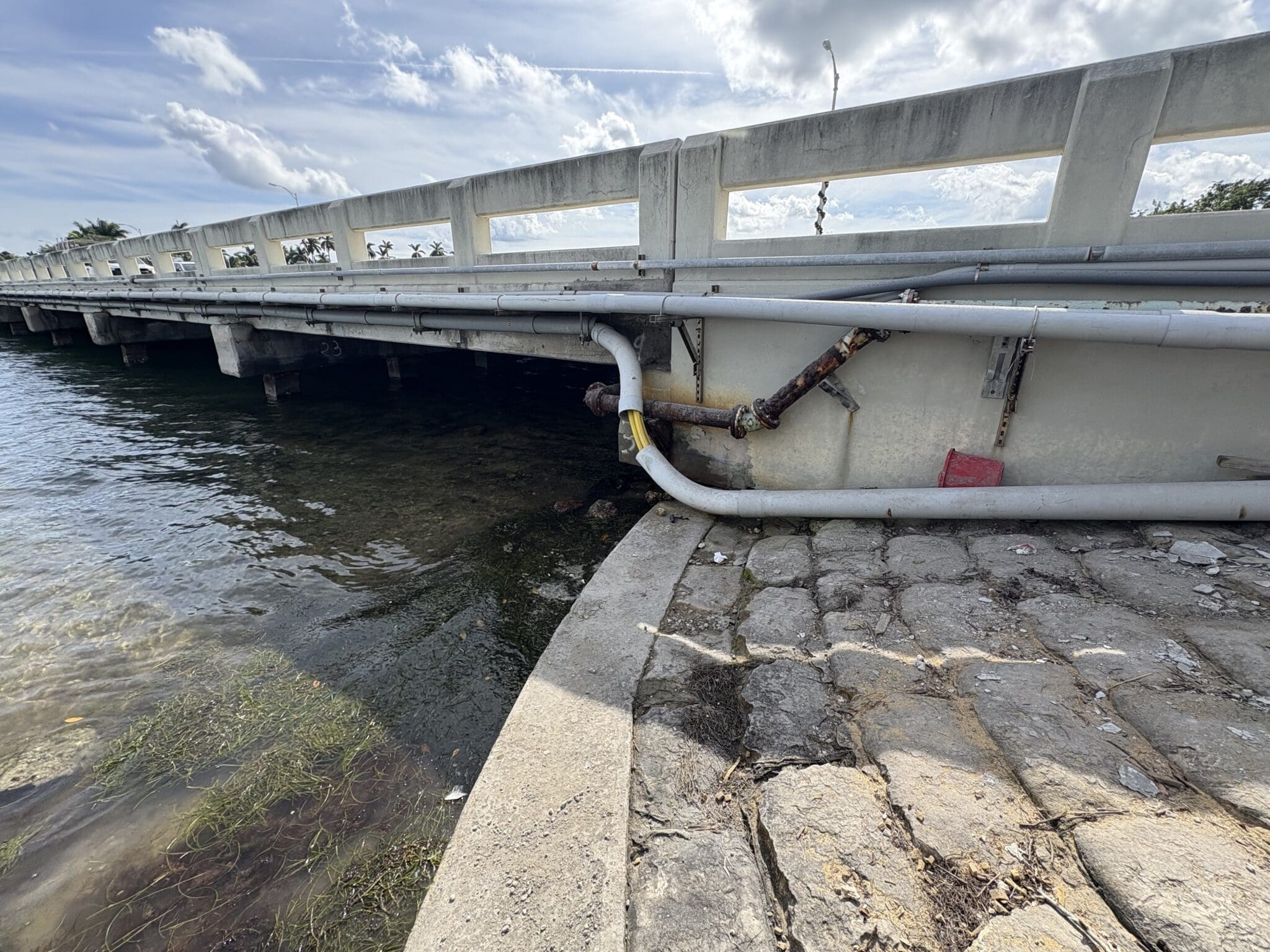
As the project advanced into design, WGI began leading the natural resource evaluations required to support federal and state environmental approvals. Recent shoreline and mangrove delineations offered clear views of the aging structures and provided an opportunity to assess the condition of the intertidal environment first-hand. These early investigations also helped identify areas where design could avoid impacts, reducing future permitting complexity.
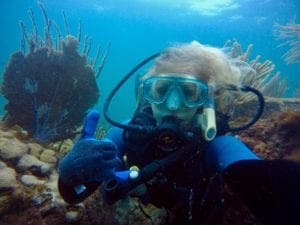
Our work will expand later this year when WGI’s specialized S.C.U.B.A. dive team conducts the in-water seagrass and coral surveys required for permitting and National Environmental Policy Act (NEPA) documentation. Conducting these assessments during peak seagrass growing season, scheduled for Summer 2026, ensures the most accurate representation of benthic conditions. This information is essential for planning mitigation, calibrating design features, and determining how best to protect sensitive marine habitats while advancing necessary infrastructure upgrades.
Navigating a Complex Regulatory Landscape
Environmental permitting for a coastal project of this magnitude requires seamless coordination across multiple agencies. WGI manages this process on behalf of FDOT, working directly with the following:
- Florida Department of Environmental Protection
- South Florida Water Management District
- U.S. Army Corps of Engineers
- NOAA Fisheries
- U.S. Fish & Wildlife Service
- Florida Fish & Wildlife Conservation Commission
Our team’s collective experience helps streamline discussions, anticipate permitting needs, and resolve issues early. Beyond the major federal and state approvals, WGI is also developing the documentation needed to modify the project’s State Lands easement, ensuring the improvements are authorized on submerged lands held in public trust.
Where unavoidable impacts occur, WGI is preparing the mitigation strategy that will offset ecological effects and support long-term resource quality. This includes evaluating a blend of restoration opportunities and mitigation credit procurement tied to the habitat types affected.
Resiliency Embedded in Design
Biscayne Bay’s coastal environment is already experiencing the effects of a changing climate, including more frequent flooding, stronger storm events, and saltwater intrusion. As part of the bridge and roadway modernization, the project team is incorporating design elements that increase resilience for decades to come. These include raising bridge profiles, improving stormwater systems, and using materials and structural enhancements suited for harsh marine conditions.
By combining engineering foresight with detailed environmental insight, the project is positioned to deliver infrastructure that protects both people and natural resources, strengthening the corridor’s ability to withstand future environmental stresses while enhancing day-to-day mobility.
A Team Driven by Purpose
The environmental fieldwork and technical analysis for this effort are led by a dedicated group of WGI scientists and permitting specialists whose work embodies the commitment WGI brings to every FDOT project: scientific precision, regulatory clarity, and a focus on solutions.
“Our priority is helping FDOT deliver a safer, more resilient causeway while ensuring the ecological integrity of Biscayne Bay,” shared Rachel Starck, Environmental Scientist. “It’s rewarding to contribute to a project where infrastructure improvements and environmental protection move forward together.”
Through the Districtwide Environmental Permits Contract, WGI has supported FDOT D6 on hundreds of planning, design, and construction projects, each one contributing to a more connected and sustainable South Florida. The 79th Street Causeway bridge replacement showcases the value of that partnership and highlights WGI’s role as a trusted environmental advisor.
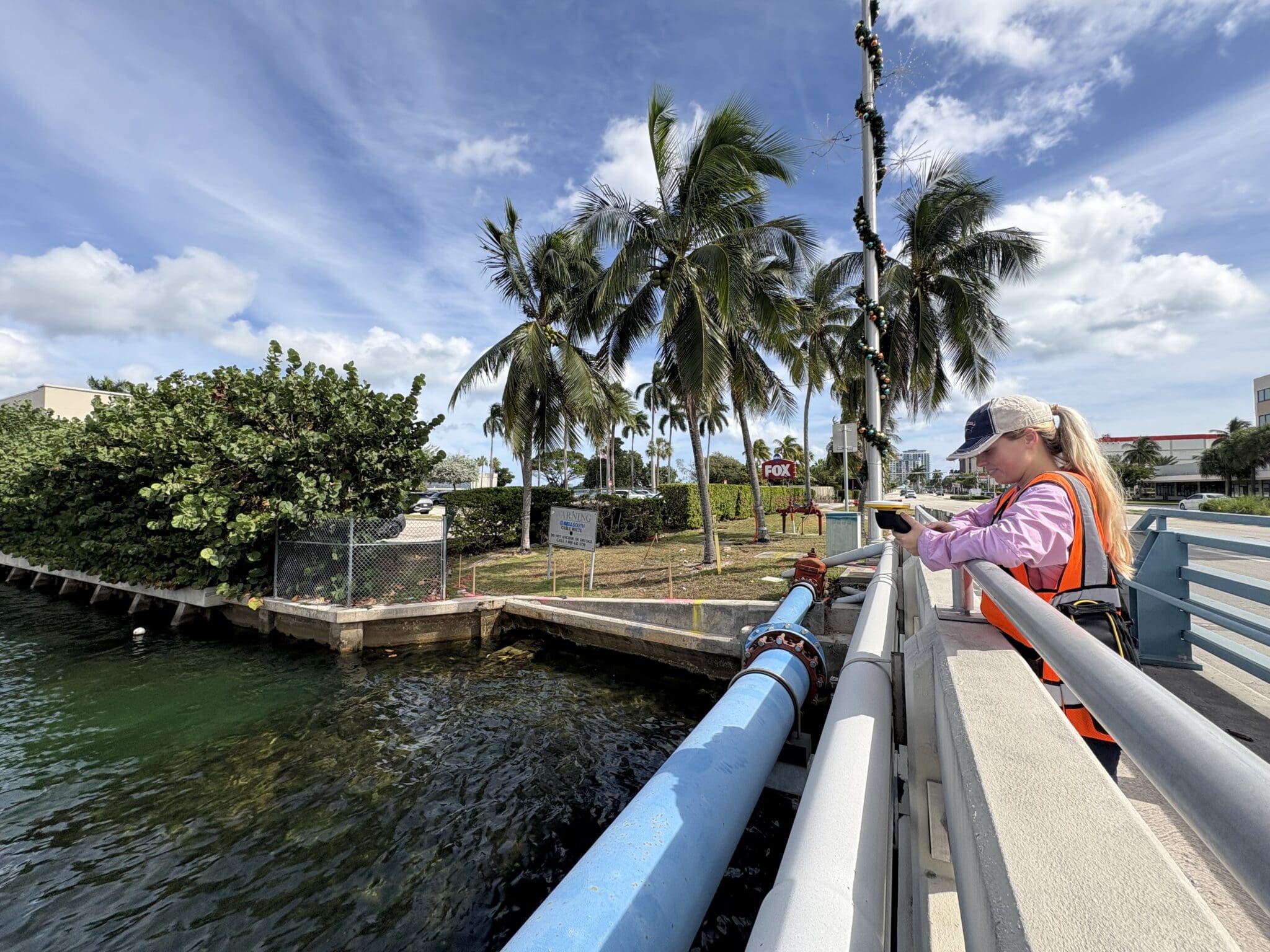
As design advances, WGI will continue guiding the permitting process, completing field surveys, and collaborating with agency partners to protect Biscayne Bay’s sensitive habitats.
Partner With Us
WGI’s environmental team brings together experts in coastal permitting, marine science, NEPA compliance, resiliency planning, mitigation, and state lands coordination. Whether improving a critical evacuation route, designing resilient waterfront infrastructure, or evaluating complex marine habitats, we help clients deliver projects that meet regulatory expectations while safeguarding natural systems.
Connect with us to learn how WGI can support your next infrastructure or environmental initiative with precision, creativity, and forward-thinking expertise.