
As Maryland continues its transition toward a cleaner and more resilient energy future, one technology is poised to play an increasingly important role: battery energy storage systems (BESS).
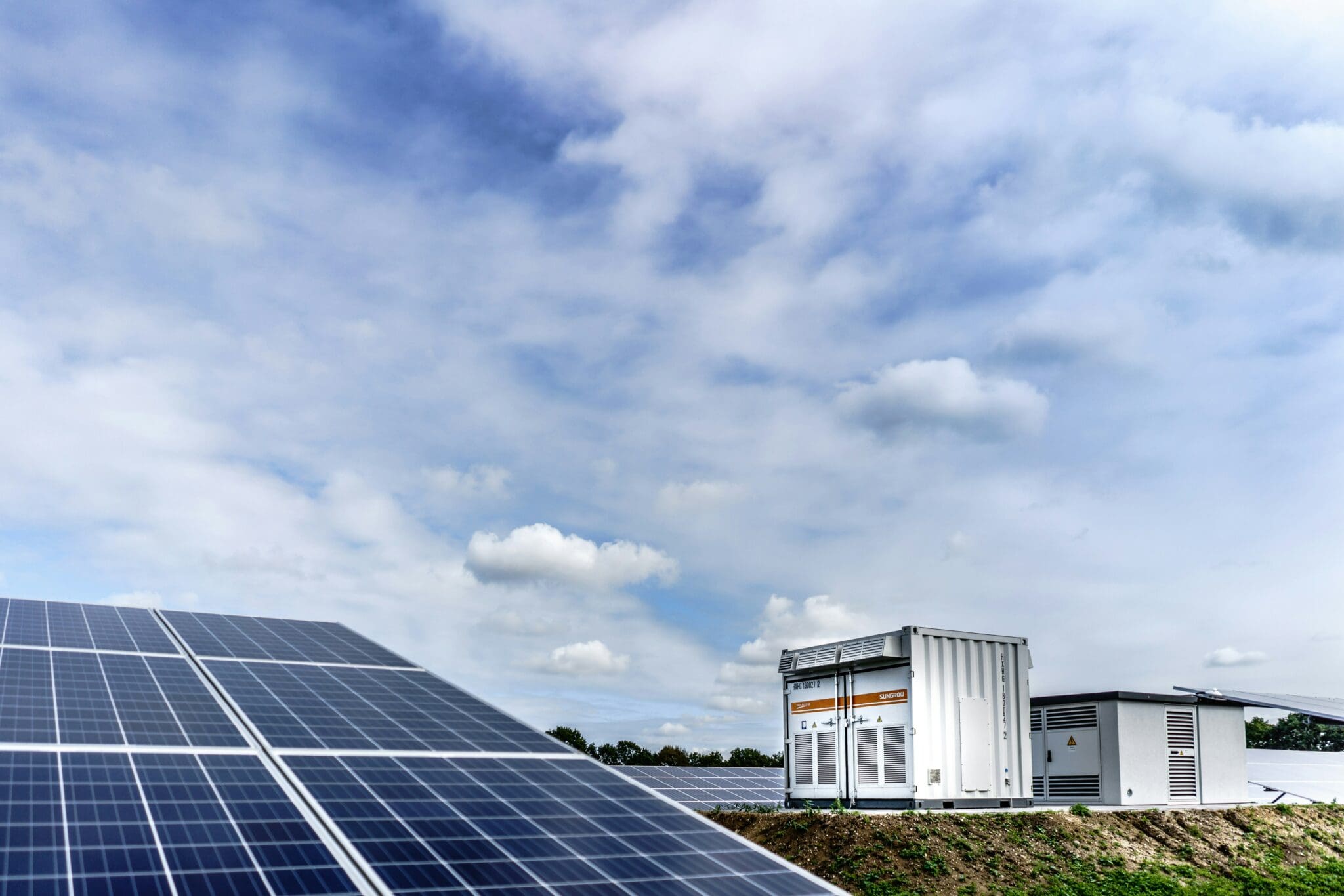
While solar panels and wind turbines often dominate conversations about renewable energy, energy storage is quickly becoming one of the most critical components of a modern electric grid. Battery storage systems help store excess energy generated during periods of high production and release it when demand increases, improving reliability, enhancing grid resilience, and supporting the integration of renewable energy sources.
Recognizing these benefits, the Maryland General Assembly passed House Bill 910 in 2023, establishing statewide energy storage targets and directing the Maryland Public Service Commission (PSC) to create the Maryland Energy Storage Program. The legislation notes that “energy storage systems provide benefits to the electric grid” and requires the PSC to establish deployment targets for new energy storage devices throughout the State.
Maryland has made its intentions clear: energy storage is a key component of the state’s long-term energy strategy. But as Maryland works toward achieving these ambitious goals, a new planning question is beginning to emerge: Where should all of this energy storage infrastructure go?
Planning for a New Land Use
Historically, most local zoning ordinances were not written with utility-scale battery storage facilities in mind. Many zoning codes contain provisions for electric substations, utility facilities, and renewable energy systems, but battery energy storage systems represent a relatively new land use category.
As a result, local governments across Maryland are beginning to grapple with questions that many zoning ordinances were never designed to answer.
- Should battery storage facilities be classified as utility infrastructure, industrial uses, or something entirely different?
- Should they be permitted only in industrial districts, or are there circumstances where they may be appropriate in commercial or mixed-use areas?
- What level of buffering, screening, and setback requirements should apply?
- And perhaps most importantly, how can communities accommodate critical energy infrastructure while maintaining compatibility with surrounding land uses?
These are not simply technical questions; they are planning questions.
Expanding Energy Storage Infrastructure
Supporters of energy storage deployment contend that Maryland’s clean energy future depends on the successful integration of battery storage technologies.
As renewable energy generation increases, storage systems help address fluctuations in energy production by storing electricity when generation exceeds demand and delivering it when demand rises. In addition to supporting renewable energy goals, battery storage can improve grid reliability, reduce congestion, and strengthen resilience during emergencies. From this perspective, local governments should proactively identify locations where battery storage facilities can be accommodated and develop regulatory frameworks that provide clarity for both communities and developers. Advocates state that delaying or restricting energy storage deployment could undermine broader state goals related to clean energy, electrification, and grid modernization.
A Case for Caution
At the same time, local officials and residents have raised valid questions about how battery storage facilities fit within existing communities. Although battery technology continues to evolve, concerns related to fire safety, emergency response planning, visual impacts, and land use compatibility remain part of the public conversation. Many communities are also evaluating how these facilities align with local comprehensive plans, particularly in areas where preservation, environmental protection, or neighborhood character are key planning priorities.
For planners, the task is not necessarily whether battery storage should be permitted, but how it should be integrated into the built environment to reflect local goals and community values. Balancing statewide energy objectives with local land use considerations is rarely straightforward.
The Role of Comprehensive Planning
As battery energy storage facilities become more common, comprehensive plans may play an increasingly important role in guiding future decisions. Traditionally, comprehensive plans address land use, transportation, housing, economic development, environmental resources, and public facilities. However, energy infrastructure has often received less attention.
Maryland’s energy storage targets may prompt communities to consider whether energy infrastructure planning should become a more prominent component of future comprehensive plan updates.
- Should local governments identify preferred locations for battery storage facilities?
- Should energy resilience become a core planning objective?
- How can planners ensure that the infrastructure needed to support statewide energy goals is integrated into local planning efforts before project proposals arrive?
These questions are likely to become increasingly relevant in the years ahead.
Next Steps
Maryland has established ambitious goals for deploying battery energy storage systems and strengthening the reliability of its electric grid. Achieving those goals will require new infrastructure, new investments, and new planning conversations.
Yet many local governments are still determining how battery storage facilities fit within existing zoning frameworks and community visions.
Should Maryland’s communities proactively plan for battery energy storage infrastructure by identifying suitable locations and updating zoning regulations, or should these decisions continue to be made on a project-by-project basis as proposals arise?
As the demand for energy storage grows, the answer may shape not only the future of Maryland’s energy system but also the future of land use planning itself.
This is Part Two of our Policy Puzzle series on battery storage policy. If you haven’t already, check out Part One, where we looked at how Virginia is navigating similar questions around battery storage siting and local land use authority.
Contact Our Team
If you’re a local government official, developer, or community stakeholder working through Maryland’s energy storage planning questions, WGI’s team of experts are ready to help. Reach out and connect with our team today!