

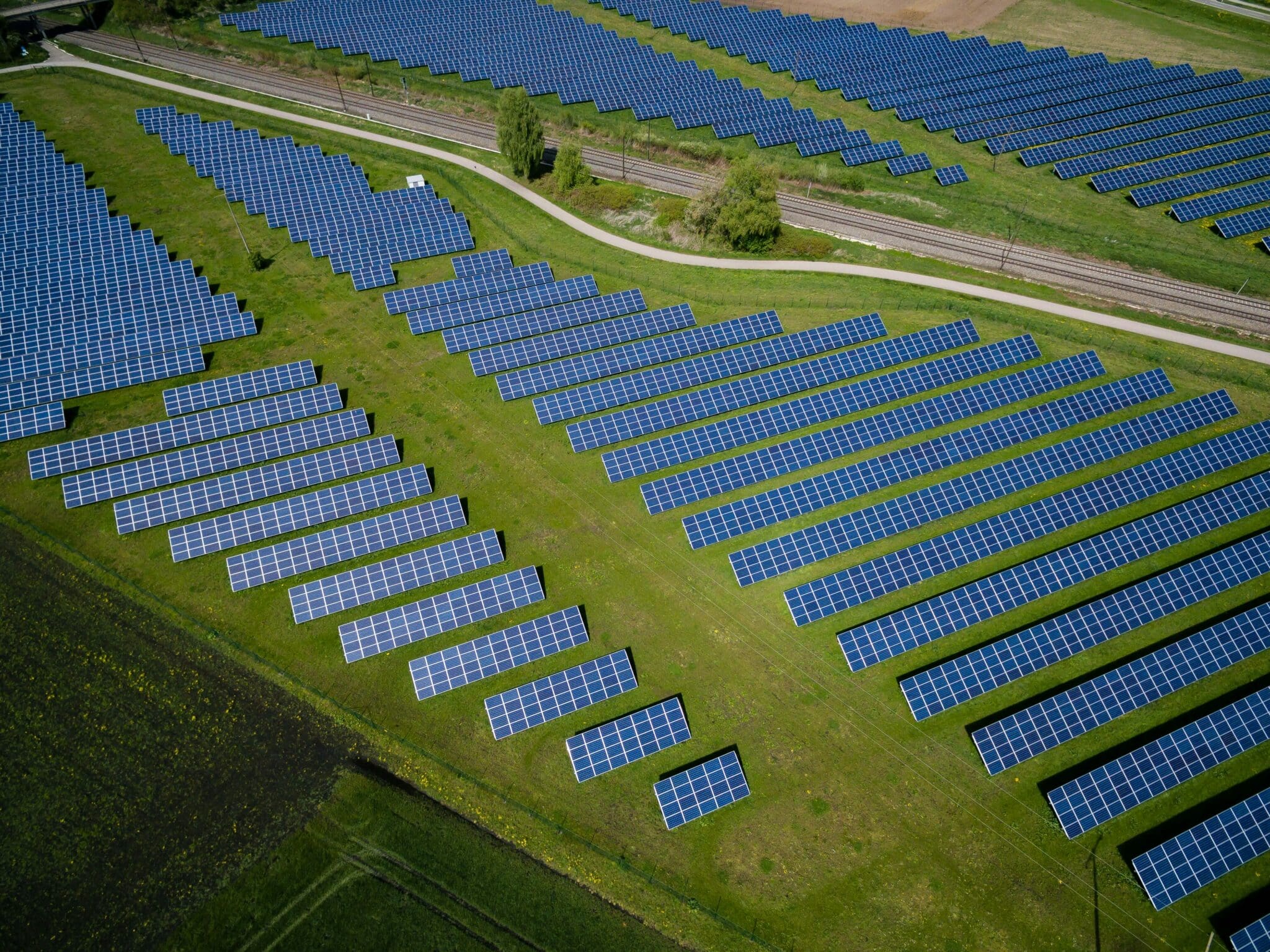
As Virginia continues its transition toward a cleaner energy future, local governments are increasingly at the intersection of statewide energy goals and local land-use decision-making. The latest example comes in the form of House Bill 891 and Senate Bill 443, passed during the 2026 General Assembly session, which streamline the approval process for certain battery energy storage facilities (BESS) collocated with approved solar energy projects.
Under the new legislation, qualifying battery storage facilities are considered accessory uses to approved solar facilities and may no longer require separate special exceptions, special use permits, or additional local land use approvals. The legislation is intended to support grid reliability, improve renewable energy integration, and accelerate Virginia’s clean energy transition.
While proponents view the legislation as a necessary step toward modernizing Virginia’s energy infrastructure, others question whether the Commonwealth has shifted too much authority away from local governments responsible for implementing comprehensive plans and protecting community interests.
This raises an important question for planners, local officials, developers, and residents alike:
Has Virginia struck the right balance between advancing statewide clean energy goals and preserving local land use authority?
Why Battery Storage Matters
Battery energy storage facilities have become an increasingly important component of renewable energy development. Because solar energy production fluctuates throughout the day, battery storage allows excess energy generated during peak production periods to be stored and dispatched when demand is highest.
As Virginia continues to expand solar energy generation, energy storage systems are expected to play a critical role in maintaining grid reliability and supporting the Commonwealth’s long-term energy goals.
State Preemption
Supporters of HB 891 and SB 443 contend that Virginia’s energy goals require a more predictable and consistent regulatory framework.
From an infrastructure standpoint, battery storage is often seen as a natural extension of a permitted solar facility. When a solar project has already completed environmental review, public hearings, and local approval processes, proponents contend that requiring a separate approval for a co-located battery system can add delays and uncertainty.
In practice, however, land use planning is rarely so straightforward.

Across the Commonwealth, approval processes for energy projects vary significantly between localities. Some jurisdictions have embraced renewable energy development, while others have imposed additional review procedures or restrictive zoning requirements. From a developer’s perspective, inconsistent local regulations can increase project costs, delay construction timelines, and complicate long-term investment decisions.
Supporters state that statewide standards provide clarity while helping Virginia meet its renewable energy goals, and note that battery storage facilities are increasingly recognized as essential infrastructure, similar to substations, transmission facilities, or other utility components, which often subject to streamlined local review.
Local Control
Local governments have long served as the primary stewards of land use planning in Virginia, using comprehensive plans, zoning ordinances, and development review processes to ensure that land uses are compatible with surrounding communities and aligned with local goals and priorities. While these frameworks provide structure, they are not one-size-fits-all; review approaches often vary based on project context, site conditions, and community input. As a result, outcomes can differ across jurisdictions and projects.
The recent legislation represents a shift from this traditional approach by introducing more standardized requirements for certain projects, which may limit the extent of local discretion in the review process.
Although battery storage facilities are often paired with approved solar projects, they can introduce considerations that may not have been fully addressed during the original review. These include fire safety and emergency response, facility design and operations, long-term maintenance and decommissioning, potential impacts on neighboring properties, and the cumulative effects of energy infrastructure on rural areas. Local governments often view themselves as best positioned to evaluate these site-specific issues and determine whether additional conditions are warranted.
For planners, the issue extends beyond individual projects and raises broader questions about the role of comprehensive planning as state policies increasingly shape land use decisions.
Implications for Planning Practice
The passage of HB 891 and SB 443 may signal a broader shift in how Virginia approaches energy infrastructure siting. Historically, Virginia has relied heavily on local governments to implement land use policies through zoning and development review. However, as housing affordability, transportation, broadband access, and renewable energy become statewide priorities, the General Assembly has increasingly considered legislation that preempts local regulations perceived as barriers to broader policy objectives.
This trend presents both opportunities and challenges. Statewide consistency can help advance critical infrastructure projects and reduce regulatory uncertainty, while also creating potential tensions between state-directed priorities and locally adopted visions for growth, conservation, and community character.
As battery storage technology continues to evolve and renewable energy deployment accelerates, local governments may need to explore alternative tools, including comprehensive plan updates, design standards, emergency management coordination, and community engagement strategies to address concerns that can no longer be resolved through traditional zoning approvals.
What’s Next?
Virginia’s clean energy transition depends on infrastructure that can store and distribute renewable power efficiently. Battery energy storage facilities are likely to become an increasingly common feature of the Commonwealth’s landscape. The legislation raises an important planning question:
Should infrastructure that supports statewide energy goals be exempt from additional local land use review, or should local governments retain discretion to evaluate battery storage facilities based on community-specific conditions and planning objectives?
As Virginia continues balancing clean energy development with local planning authority, the answer may shape not only the future of battery storage but also the evolving relationship between state policy and local land use decision-making.
This is Part One of a two-part Policy Puzzle series on battery storage policy. Part Two heads to Maryland, where lawmakers are working through similar questions about energy storage siting and local authority.
Contact Our Team
If you’re a local government official, developer, or community stakeholder navigating Virginia’s energy policy landscape, WGI’s team of experts are ready to help. Reach out to contact our team today!