Across Texas, municipalities are tasked with maintaining aging water and wastewater infrastructure while balancing limited budgets, population growth, and regulatory pressures. In Part 1 of our ‘Resilient by Design’ series, we explored the current landscape and key challenges. This installment focuses on practical strategies communities can use to extend system life, improve reliability, and maximize investment value.
Understanding the Budget Reality
Many water and wastewater systems in Texas were installed decades ago and are reaching the end of their service life. Aging infrastructure can lead to leaks, inflow and infiltration (I&I) issues, capacity constraints, and regulatory compliance challenges.
To address these challenges effectively, communities must balance multiple priorities:
- Critical infrastructure upgrades and repairs
- Public safety initiatives
- Roadway and transportation improvements
- Parks and quality-of-life enhancements
- Regulatory compliance
When resources are limited, prioritization becomes essential. The goal is not to solve every problem at once, but to solve the right problems in the right order.
Prioritizing What Matters Most
A risk-based approach helps municipalities identify which assets present the highest potential for failure or service disruption. Engineering evaluations consider:
- Pipe material, age, and condition
- History of leaks and sanitary sewer overflows (SSOs)
- Service area importance and system redundancy
- Identified I&I and operational challenges
- Regulatory and public health priorities
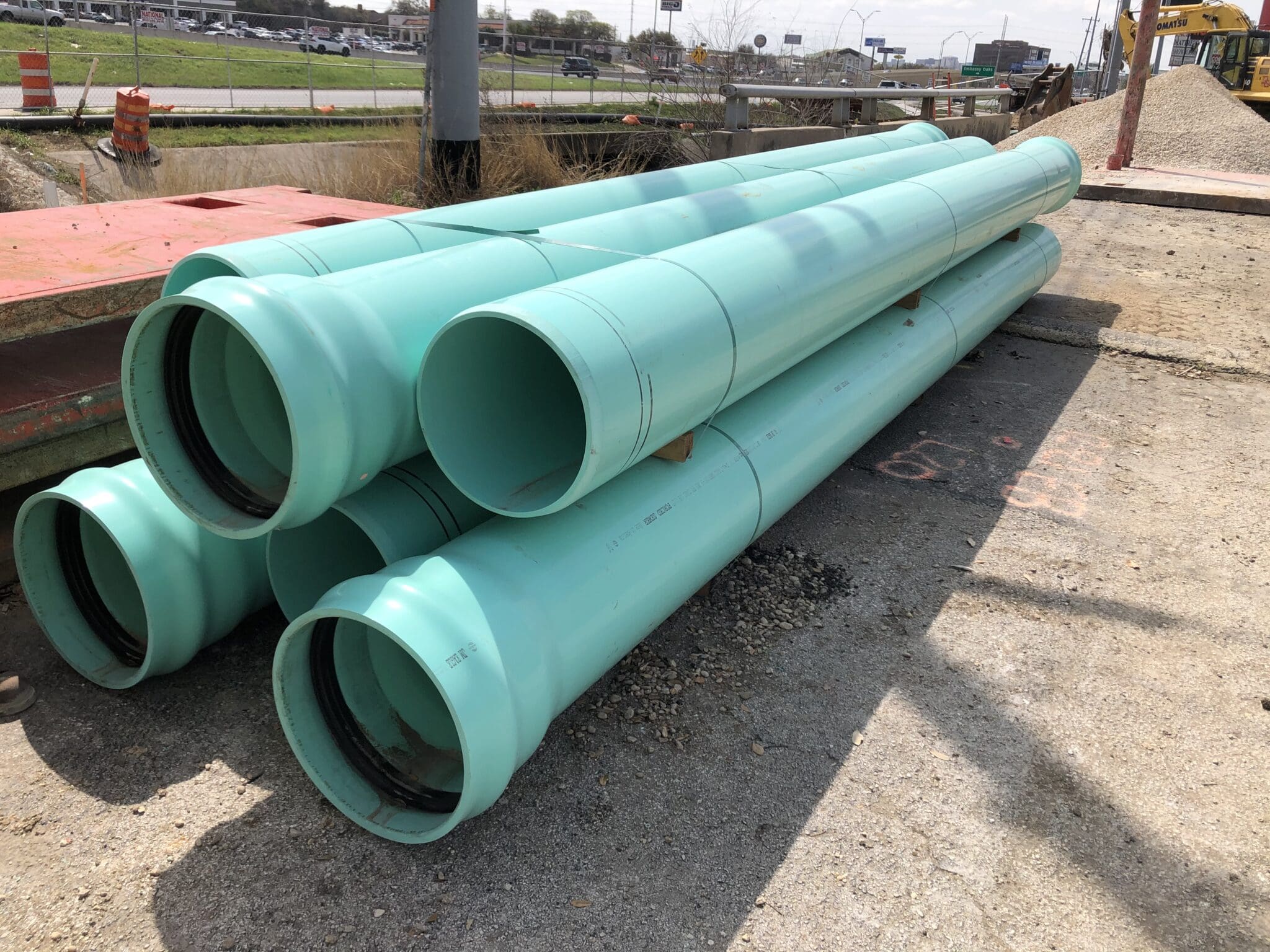
Through effective asset management and condition assessment practices, municipalities can ensure that resources are allocated strategically, reducing emergency repairs and improving overall system reliability.
Targeted Rehabilitation vs. Full Replacement
Complete utility replacement is rarely financially feasible. Targeted rehabilitation can extend system life while keeping costs manageable and minimizing impact to the community, both through limited construction footprints and traffic control equipment and durations. Common strategies include:
- Pipe lining and localized trenchless replacement
- Lift station rehabilitation and upgrades
- I&I reduction programs
- Implementation of smart monitoring and advanced valve systems
These approaches allow communities to incrementally improve system performance on expedited timelines, while preserving capital for higher-priority needs or future upgrades.
Phased Capital Improvement Planning
Breaking larger projects into sequenced phases can help stretch budgets and reduce disruption. Phased planning may include:
- Segmenting rehabilitation zones based on risk and recorded failures
- Coordinating utility upgrades with planned roadway or development projects
- Aligning system improvements with funding availability
Phased implementation maintains progress, allows for plan adjustments as conditions change, and spreads expenditures across multiple budget cycles.
A Practical Example: Downtown Sewer Rehabilitation – Kyle, Texas
In Kyle, Texas, the City partnered with WGI to address inflow and infiltration (I&I) challenges across its downtown sewer system. The Downtown Sewer Rehabilitation Project addresses nine sewer basins encompassing more than 101,000 linear feet of gravity sewer mains and 389 manholes, with the goal of restoring system capacity and reducing treatment costs.
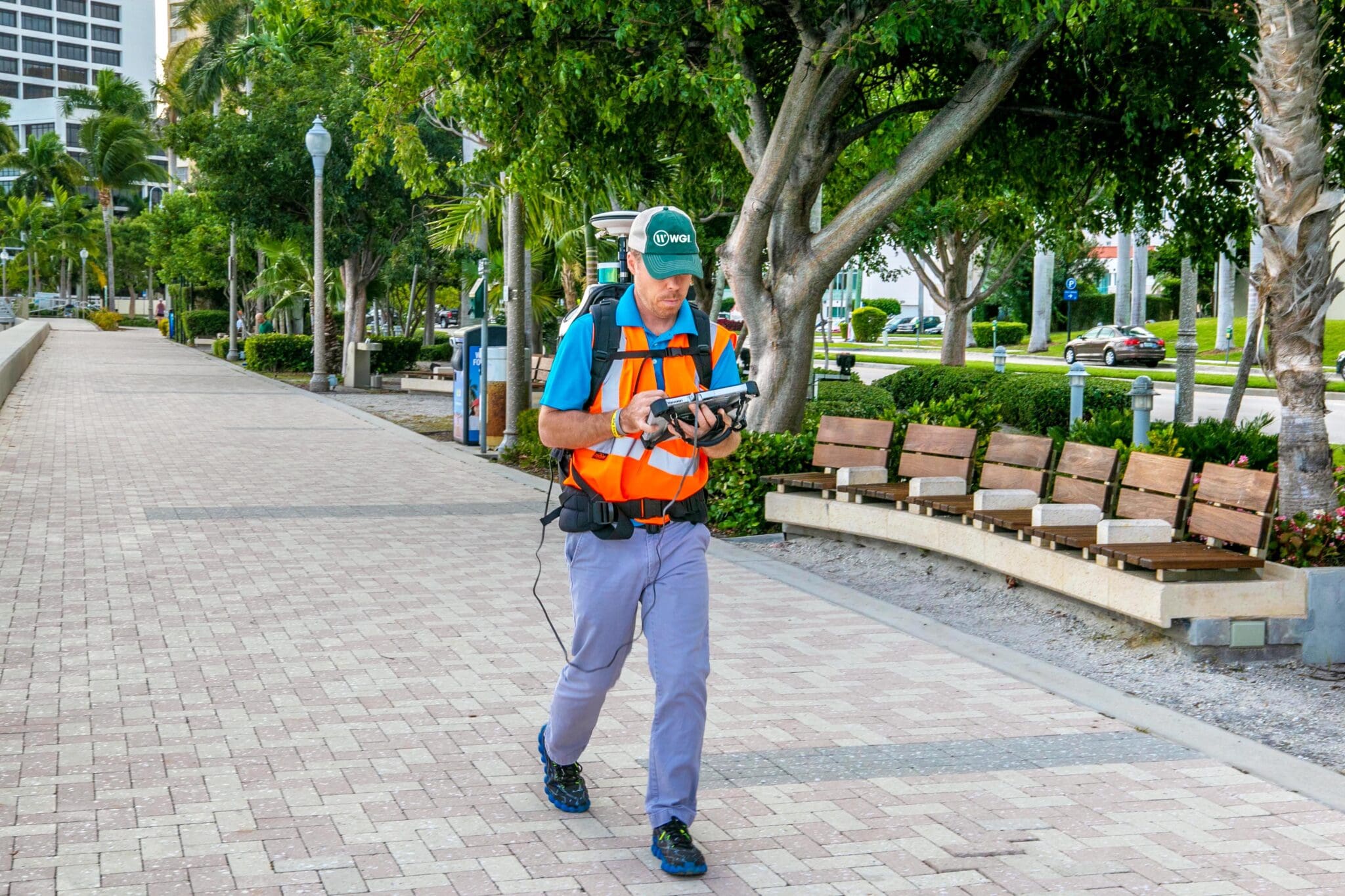
The project began with an extensive data collection and evaluation process using as-built drawings, GIS data, City records, and documentation from nearby infrastructure projects. To verify system conditions, WGI conducted additional field investigations, including CCTV review, manhole surveys, and on-site condition assessments of critical sewer segments.
Using this information, WGI developed a Preliminary Engineering Report (PER) that outlined strategic, cost-effective rehabilitation recommendations aligned with the City’s $1.5 million annual capital budget for sewer system improvements. The PER evaluated a range of solutions, including pipe bursting with HDPE, cured-in-place pipe (CIPP) lining, manhole rehabilitation, targeted point repairs, and selective open-cut reconstruction.
To help prioritize improvements, WGI applied GIS-based mapping, automated workflows, and data-driven prioritization matrices to identify the areas with the highest impact. The result is a multi-year roadmap that allows the City of Kyle to implement phased improvements that reduce I&I, restore system capacity, and maximize long-term investment value.
The project has already helped launch two new City initiatives: a comprehensive CCTV inspection program for remaining sewer lines and the design and construction of pipe bursting improvements for four high-priority segments. By combining detailed system evaluation with phased implementation strategies, the project provides a scalable framework for sustainable sewer system management and long-term capital planning.
Building Long-Term Resilience
Budget limitations do not prevent progress; they encourage effective planning. By combining risk-based prioritization, targeted rehabilitation, phased implementation, and coordinated capital planning, communities can:
- Extend infrastructure life
- Improve system reliability
- Reduce emergency repairs
- Create more predictable budgeting cycles
- Strengthen public confidence
Resilient infrastructure is built incrementally through informed decisions and disciplined execution, not by a single, large investment.
Continuing the Conversation
Part 1 explored the broader water and wastewater challenges Texas communities face. This installment shows how limited budgets can still support meaningful progress.
Stay tuned for Part 3, where we’ll share additional project examples and innovative approaches to help communities achieve long-term water and wastewater resilience.
Contact Us
Ready to strengthen your community’s water and wastewater systems?
WGI’s civil engineering experts work with Texas municipalities to deliver practical, phased, and cost-conscious solutions that improve reliability and support long-term growth. Connect with WGI to learn how your community can maximize investment value while preparing for the future.