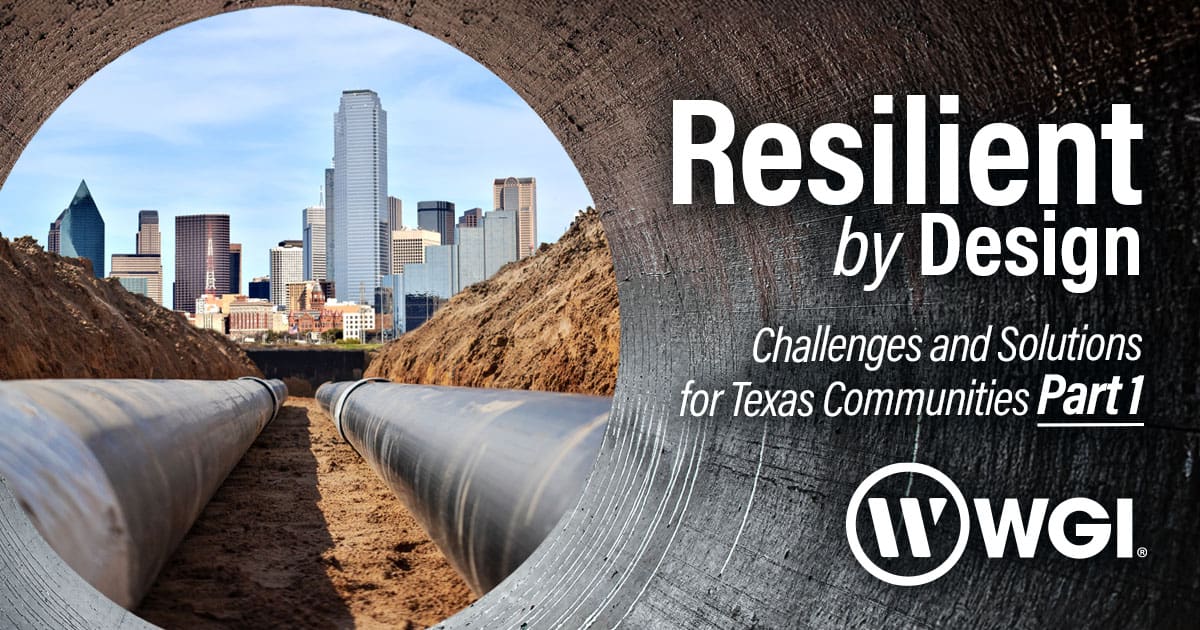
Across Texas, communities face a growing challenge: access to reliable water sources, maintaining existing water and wastewater infrastructure while managing population growth, regulatory pressures, and limited budgets. Much of the state’s potable water and wastewater networks were installed decades ago, and pipes, pumps, tanks, lift stations, and treatment systems are reaching the end of their service life. Aging infrastructure can lead to leaks, inflow and infiltration (I&I) issues, water loss, and compromised service reliability, affecting public health and safety to community trust.
Compounding these challenges, many Texas municipalities operate with small client bases and limited funding. Every investment must be carefully evaluated to maximize value and extend infrastructure lifespan. Prioritization of repair, replacement, and upgrades requires a delicate balance of cost, risk, regulatory compliance, grants, and long-term resilience.
Challenges and the Current Landscape for Texas Water Systems
Texas communities experience a range of unique infrastructure pressures, including:
- Inflow and Infiltration (I&I): Aging sanitary sewer mains can allow excess runoff into wastewater systems, increasing treatment costs and reducing efficiency. This is particularly crucial at sanitary sewer lateral connection and in infrastructure consisting of potentially porous materials, such as vitrified clay pipe and brick manholes.
- Potable Water Challenges: Drought, sparse/severe rainfall, and aging delivery systems put stress on water availability and quality, particularly where expansive soils are present.
- Capacity Constraints and Regulatory Compliance: Rapid population growth requires system expansion to meet increased demand and impact, while state and federal mandates demand water quality and environmental protection.
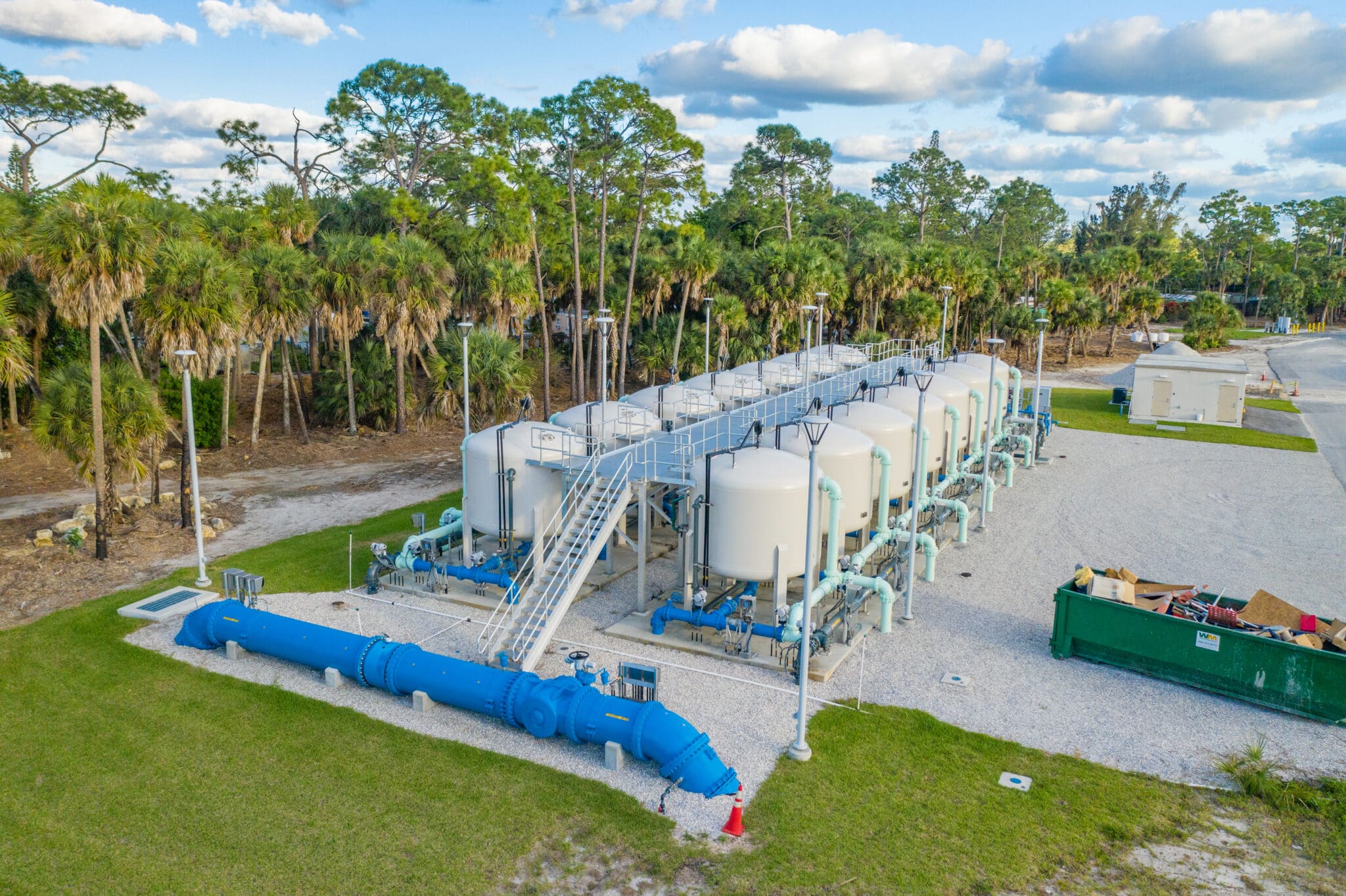
These factors combine to create complex challenges that require innovative solutions, strategic planning, and effective stakeholder coordination. WGI collaborates with Public Works departments, utility providers, and municipalities to deliver solutions that extend the life of existing systems, improve efficiency, and reduce long-term costs.
Practical Solutions for Maximizing Value
Our approach focuses on our extensive experience, data-driven analysis, technology integration, and practical design strategies tailored to each community’s needs. Key strategies include:
- Targeted rehabilitation and selective pipe replacement to reduce costs and disruption.
- Alternative technologies, including smart monitoring systems and advanced valves, to optimize system performance.
- Use of trenchless rehabilitation to minimize impact to existing infrastructure, streamline construction schedules, reduce traffic control/detour durations, and stretch budgets for more effective asset management.
- Strategic planning and phasing to stretch limited budgets and maximize reliability.
- Regulatory and permitting support to ensure compliance and reduce project delays.
A Texas Case Study: 24-Inch Transmission Water Main Installation
A recent project illustrates the complexity and value of WGI’s approach. In San Antonio, Texas, WGI led the design of a 2.5-mile, 24-inch water main running through residential neighborhoods, parks, and HOA-maintained areas. The project required balancing multiple constraints: limited budget, community expectations, permitting, TxDOT permitting requirements, and minimizing service disruption while working in a limited workspace.
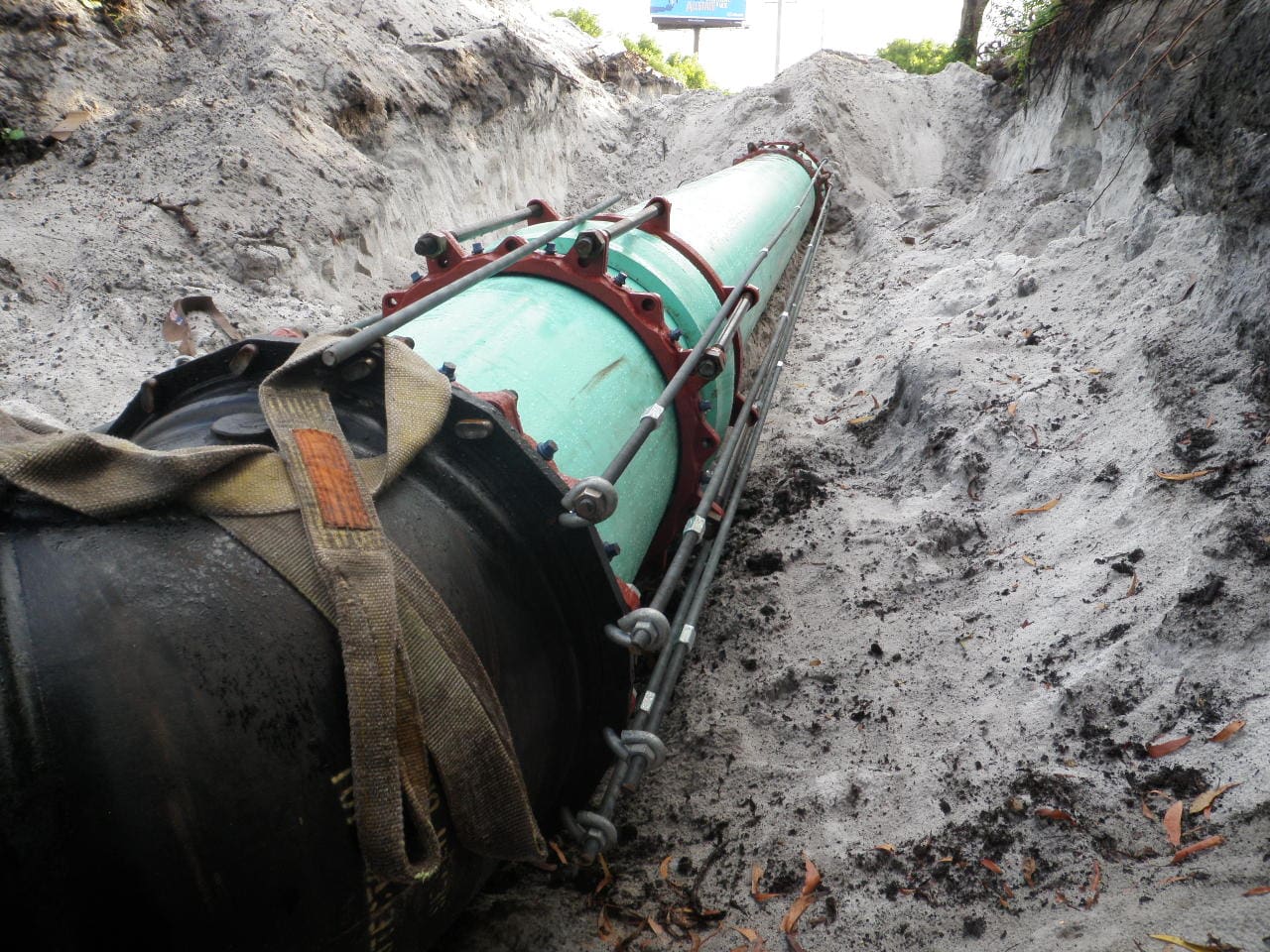
By leveraging a combination of effective construction methods, careful alignment planning, and extensive stakeholder coordination, WGI delivered a project that enhanced system reliability and minimized costs while easing pressure concerns within a large pressure plane. This included multiple community meetings, proactive and honest communication with stakeholders and homeowners, alignment revisions to minimize impact where possible, strategic implementation of tunneling by jack and bore where excavation was not feasible, and competitive seal bidding to ensure selection of the most qualified contractor as opposed to the most affordable. By maintaining an open line of communication and implementing solutions to address stakeholder concerns and needs, WGI showed our ability to manage complex, multi-stakeholder projects with technical precision.
Resilience, Technology, and Collaboration
In addition to rehabilitation and replacement, WGI emphasizes resilient system design and modern technology. Projects incorporate redundancy, capacity planning, and emergency preparedness to ensure long-term reliability. Using GIS mapping, 3D modeling, and hydraulic analysis, we identify vulnerable infrastructure, optimize upgrades, and provide actionable insights for capital improvement planning.
Effective water and wastewater projects require close collaboration with local utility staff. WGI works alongside Public Works personnel to understand system histories, coordinate construction, provide knowledge transfer, and align upgrades with strategic community goals. This collaborative, data-driven approach ensures projects deliver tangible value, minimize risks, meet community expectations, and focuses on practical design to take operator wants and needs into account.
Turning Challenges Into Opportunity
Communities no longer need to view aging infrastructure as a looming crisis. By combining engineering expertise, innovative technologies, and strategic planning, WGI helps municipalities modernize water and wastewater systems efficiently and sustainably. Projects can reduce operating costs, improve reliability, protect public health, and extend the life cycle of critical infrastructure, all while keeping within budgetary limits.
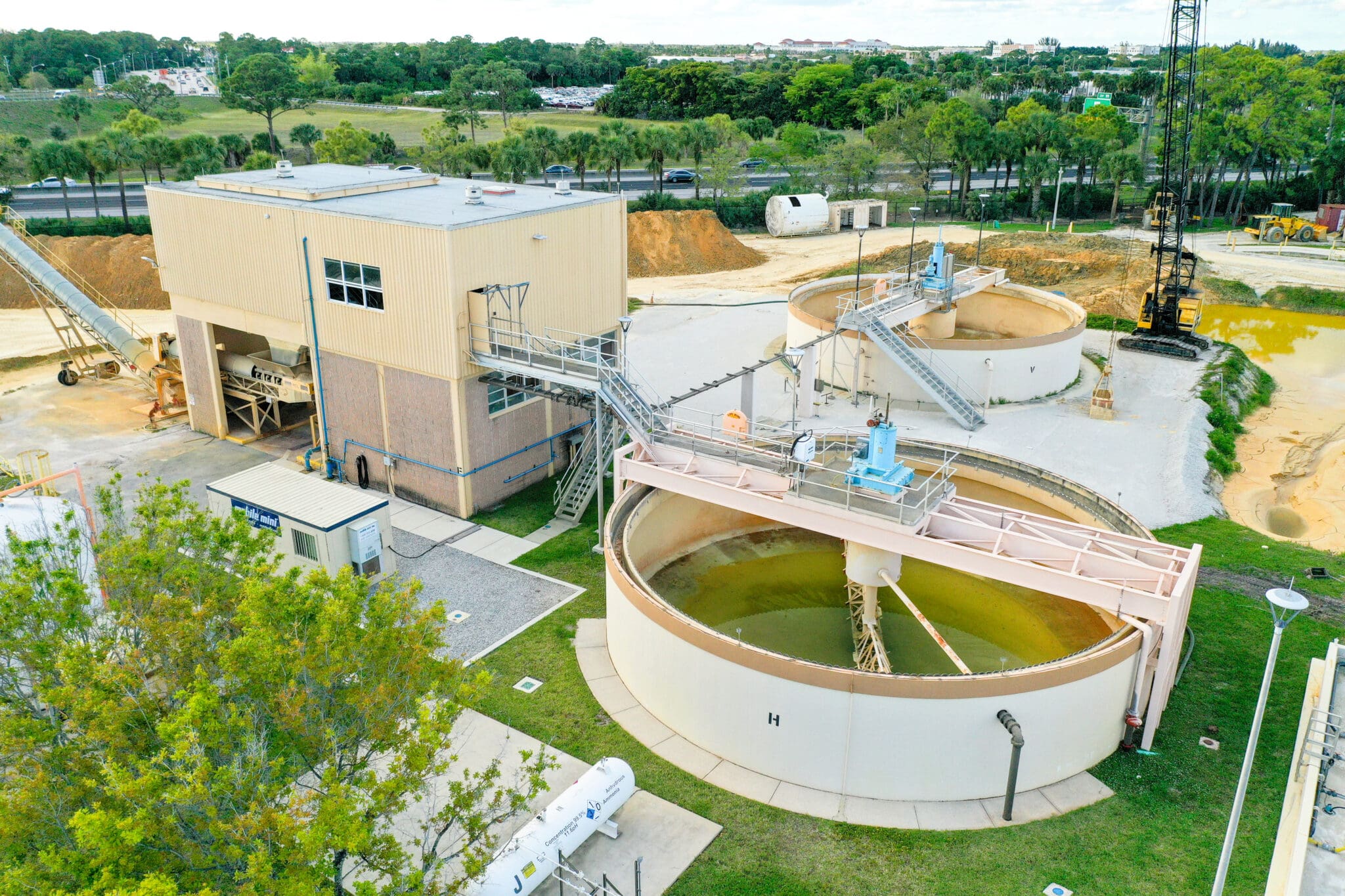
Beyond addressing immediate infrastructure concerns, WGI takes a forward-looking approach that prepares communities for future growth and evolving environmental conditions. By integrating advanced modeling, predictive analytics, and risk assessment tools, we help decision-makers anticipate system vulnerabilities, prioritize investments, and plan for resilient, scalable solutions. This proactive mindset turns infrastructure challenges into opportunities for long-term community benefits, operational efficiency, and sustainable water management.
Partner With WGI
WGI brings together engineers, planners, and technical experts to deliver tailored water and wastewater solutions. Whether upgrading critical mains, rehabilitating aging pipelines, or designing systems for future growth, we provide practical, cost-effective, and resilient strategies.
Connect with WGI’s civil engineering team to learn how we can help your Texas community optimize its water and wastewater infrastructure while preparing for the challenges of tomorrow.
Coming Next in the Series
Stay tuned for Part 2, where we explore actionable strategies for budget-conscious Texas communities to extend system life, improve reliability, and maximize the impact of every infrastructure investment!