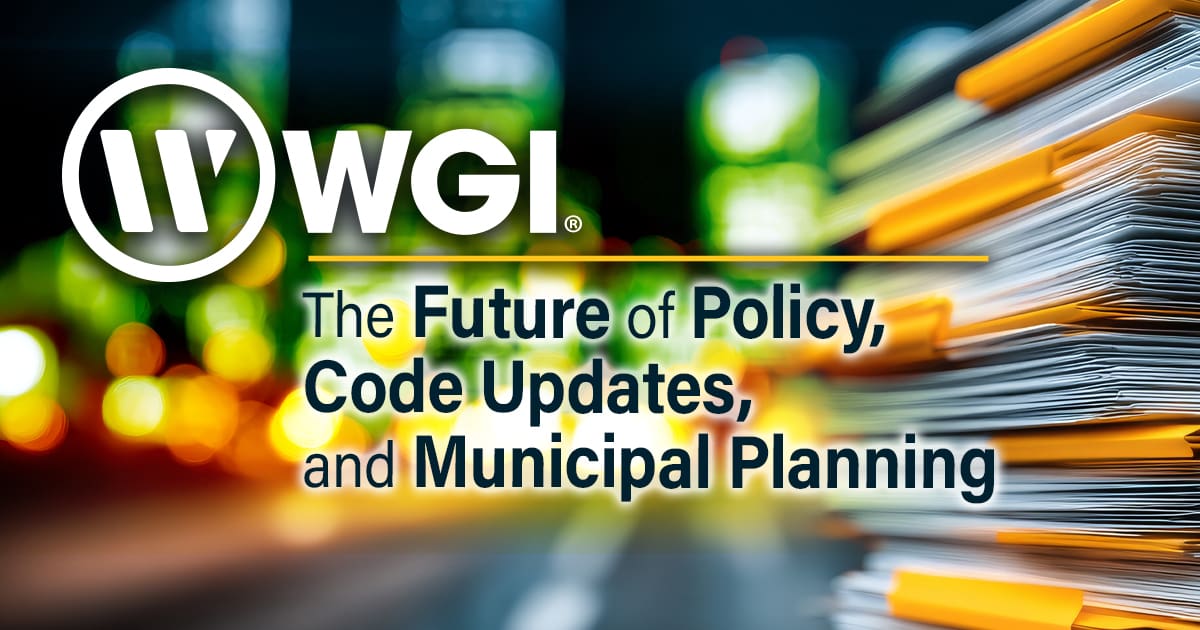
Municipal planning is entering a new era.
Communities today are navigating unprecedented complexity. Population shifts, housing demand, infrastructure constraints, climate resilience, economic development priorities, and rapidly advancing technology are reshaping how cities and counties grow. At the same time, residents expect greater transparency and more meaningful engagement in the decisions that shape their communities.
The planning tools that guided growth a decade ago are being tested by a new set of realities.
Success in the years ahead will depend on more than updating plans and regulations. It will require creating policy frameworks that are adaptable, data-informed, and capable of responding to change without losing sight of long-term community goals.
As municipalities prepare for the future, several key trends are redefining how planning policies and development codes are created, implemented, and maintained.
Planning as an Ongoing Process, Not a Periodic Exercise
For decades, comprehensive plans and development regulations were often updated on predictable cycles, with long periods of stability between major revisions. While that approach provided consistency, it can struggle to keep pace with today’s rate of change.
Increasingly, communities are moving away from viewing plans as static documents and toward treating them as living frameworks that guide decision-making over time.
Rather than waiting years to address emerging challenges, municipalities are embracing more agile approaches that allow policies to evolve alongside community needs, market conditions, and infrastructure realities. This shift creates greater responsiveness while preserving the predictability that residents, staff, and developers rely on.
The result is a planning process that is more strategic and better positioned to support long-term growth.
Development Codes Built for Flexibility
As communities evolve, so do the expectations placed on development regulations.
Traditional zoning frameworks continue to play an important role, but many municipalities are exploring ways to create greater flexibility while maintaining clear standards and community character. Housing diversity, mixed-use environments, redevelopment opportunities, and changing economic conditions often require regulatory approaches that can accommodate a wider range of outcomes.
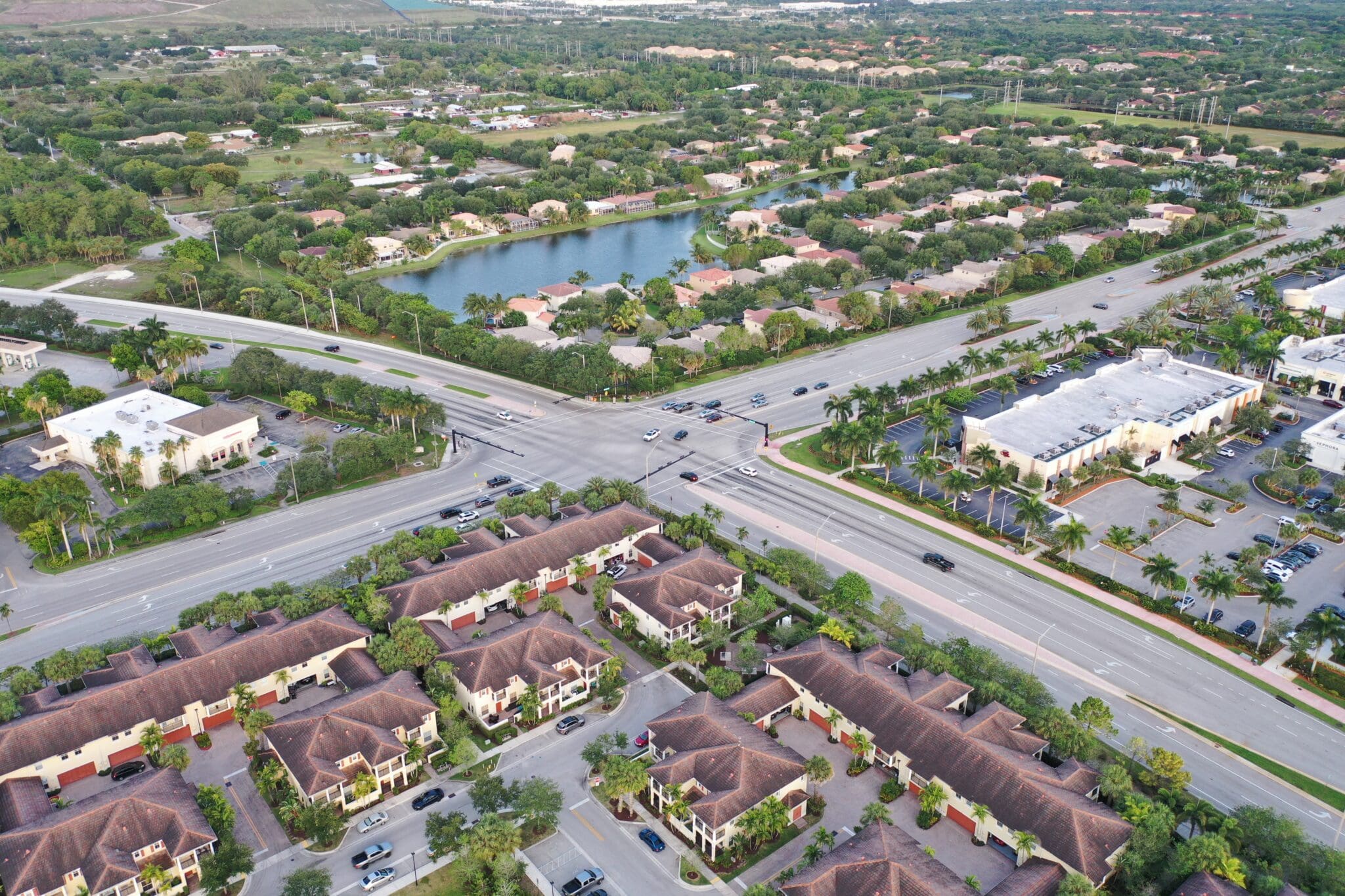
One emerging strategy is the use of more targeted, place-based regulations. Rather than applying the same standards across an entire jurisdiction, communities are developing tailored frameworks for key areas such as downtown districts, redevelopment corridors, transit-oriented areas, and emerging growth centers.
These context-sensitive approaches provide municipalities with greater precision, helping shape desired outcomes while reducing unnecessary complexity across the broader code structure.
Integrating Land Use and Infrastructure Planning
The future of municipal planning is increasingly defined by integration.
Land use decisions influence transportation systems, utility networks, public facilities, stormwater infrastructure, and long-term capital investment strategies. Yet historically, these planning efforts have often occurred in parallel rather than in coordination.
Forward-thinking communities are recognizing that sustainable growth depends on aligning policy decisions with infrastructure capacity and investment priorities.
When planning and infrastructure strategies work together, municipalities can better direct growth, optimize public investments, and improve long-term fiscal sustainability. This integrated approach not only supports more efficient service delivery but also strengthens community resilience as demands continue to evolve.
Technology Is Transforming Decision-Making
Technology has become a powerful force in modern planning, not simply because new tools exist, but because those tools now provide deeper insights and better ways to evaluate complex decisions.
Advanced GIS analysis, digital engagement platforms, scenario modeling, and interactive visualization tools are helping communities better understand the potential impacts of growth and policy choices before decisions are made.
These capabilities allow planners and decision-makers to move beyond assumptions and evaluate trade-offs with greater confidence. They also create new opportunities for public engagement by making technical information more accessible and easier to understand.
As technology continues to advance, its greatest value will remain its ability to support better decisions, stronger collaboration, and more informed outcomes.
A Growing Focus on Community Outcomes
Perhaps the most significant evolution in municipal planning is the shift from regulating development to shaping outcomes.
Today’s planning efforts increasingly focus on questions that extend beyond land use alone:
- How can communities expand housing opportunities?
- How can growth support economic vitality?
- How can infrastructure investments improve resilience?
- How can planning decisions enhance quality of life for current and future residents?
As a result, considerations such as housing choice, multimodal mobility, climate adaptation, economic competitiveness, and equitable access to services are becoming more deeply integrated into planning policies and development regulations.
This outcome-oriented approach reflects a broader understanding that planning is ultimately about creating places that are resilient and better prepared for the future.
Implementation Will Be the Differentiator
Vision remains important, but implementation is what creates lasting impact.
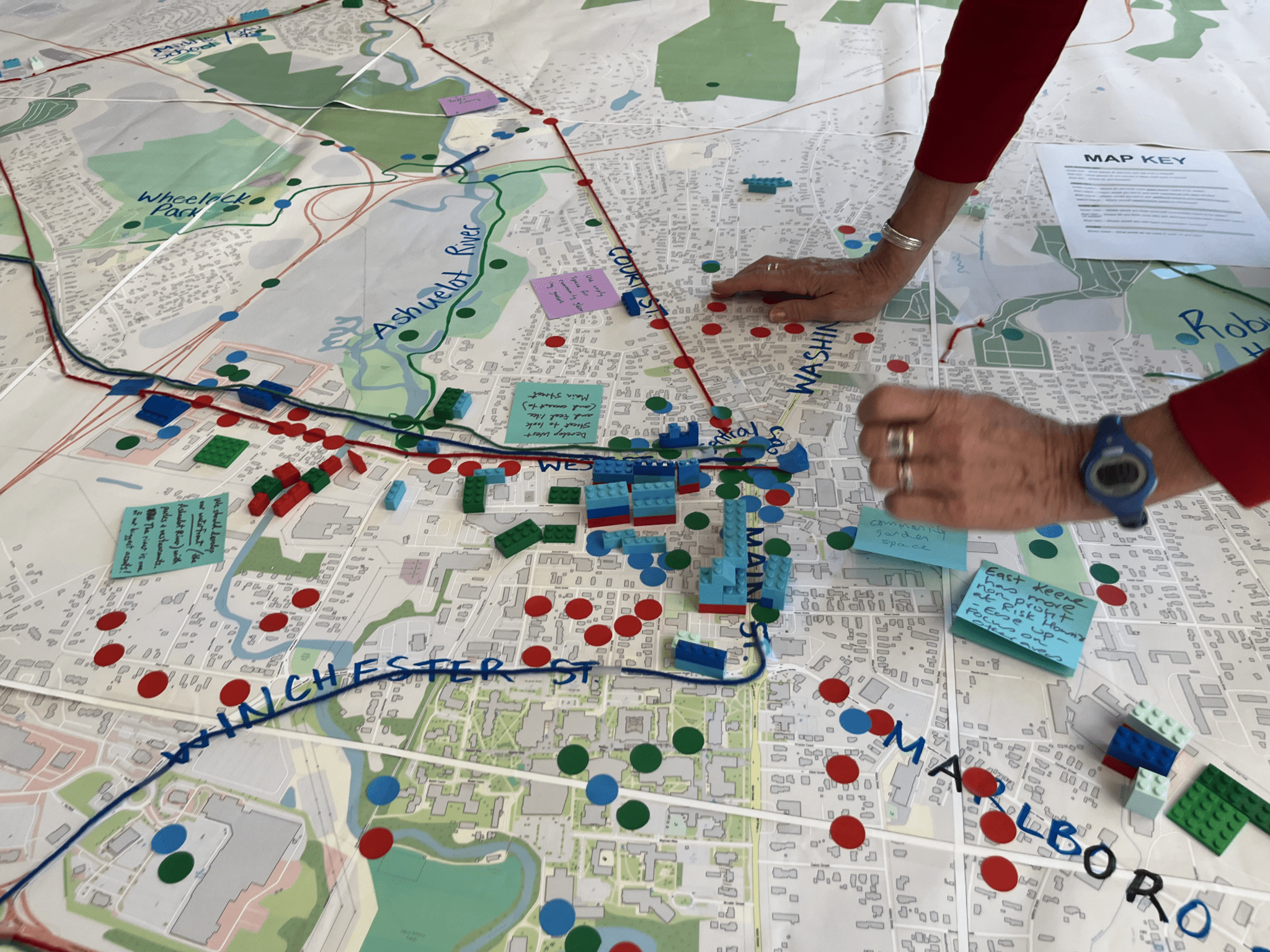
The most successful municipalities will be those that move beyond plan adoption and focus on execution. Clear implementation strategies, measurable objectives, regulatory alignment, staff readiness, and ongoing performance evaluation will increasingly determine whether planning efforts achieve their intended outcomes.
Communities that view planning as a continuous process of refinement and improvement will be better equipped to respond to changing conditions while maintaining momentum toward long-term goals.
How WGI Helps Communities Prepare for What’s Next
At WGI, we help municipalities navigate change with confidence.
Our multidisciplinary teams support communities through comprehensive planning, development code modernization, policy updates, infrastructure planning, and growth management strategies designed to align vision with implementation.
By bringing planners, engineers, surveyors, and technology specialists together under one roof, we help communities develop practical, actionable solutions that support growth and create lasting value.
Looking Ahead
The future of municipal planning belongs to communities that are adaptable, coordinated, and forward-thinking.
As growth patterns evolve and new challenges emerge, policies and development codes must help communities navigate uncertainty, capitalize on opportunities, and achieve their long-term vision.
Municipalities that invest in modern planning frameworks today will be better positioned to guide growth and build resilience for decades to come.
Contact Us
Whether you’re considering a comprehensive plan update or long-range growth strategy, WGI’s planning and engineering professionals can help you prepare for what’s next. Connect with our team today to turn your vision into action!