High-growth communities face a defining challenge: how to manage rapid change without losing long-term vision. Population influx, economic expansion, housing demand, and infrastructure strain can quickly outpace outdated policies. Without a clear roadmap, growth can become fragmented, reactive, and costly.
That’s where a well-crafted, forward-looking comprehensive plan update becomes essential.
For municipalities experiencing accelerated growth, updating the comprehensive plan is a strategic investment in sustainable, predictable, and resilient development. The most effective plans align policy with real-world conditions, infrastructure capacity, and community values, positioning communities to grow with confidence rather than urgency.
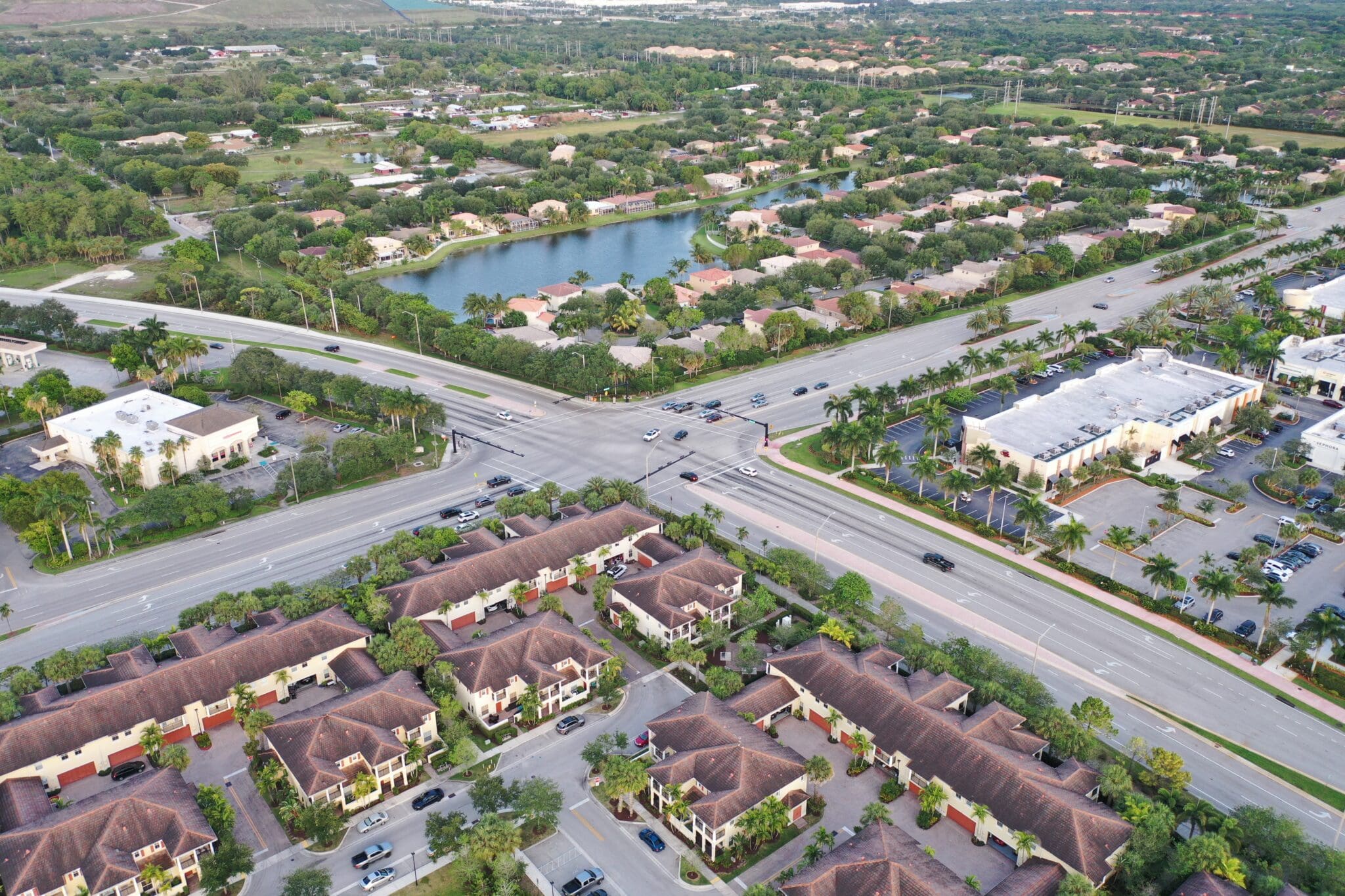
This guide explores why comprehensive plan updates matter in high-growth environments, the critical components of a successful update, and how an integrated planning and engineering approach helps communities turn growth pressures into long-term opportunity.
Why Comprehensive Plans Matter in High-Growth Communities
A comprehensive plan sets the foundation for every land use decision that follows — zoning, capital improvements, infrastructure investments, and entitlement outcomes. In fast-growing communities, plans adopted within the last decade may no longer reflect current conditions or future needs.
High-growth communities often face a convergence of challenges, including:
- Housing supply failing to keep pace with population and job growth
- Transportation systems strained by increased demand and changing travel patterns
- Water, wastewater, and drainage systems approaching or exceeding capacity
- Market pressure for higher densities, mixed-use development, and flexible zoning
- Community concerns related to affordability, traffic, environmental impacts, and neighborhood character
An updated comprehensive plan provides clarity and direction amid this complexity. It establishes a shared vision that balances economic development, infrastructure readiness, and quality of life, ensuring growth is intentional rather than reactive.
Key Components of a Successful Plan Update
Data-Driven Growth Forecasting
High-growth communities must plan with precision. Updated demographic projections, housing demand analyses, employment trends, and land supply evaluations ensure policies are grounded in realistic assumptions — not outdated averages or aspirational targets.
Understanding where growth is coming from, how fast it’s occurring, and which sectors are driving demand allows communities to make informed decisions about land use, infrastructure investment, and service delivery. WGI’s planning teams pair market insight with technical analysis to create growth scenarios that are defensible, transparent, and adaptable as conditions evolve.
Future Land Use and Development Patterns
Growth brings pressure for change, particularly in areas near employment centers, transit corridors, and existing infrastructure. Comprehensive plan updates should evaluate whether current land use designations still support community goals, or if adjustments are needed to accommodate higher density, mixed-use nodes, employment districts, or strategic infill redevelopment.
Clear future land use policies reduce entitlement uncertainty, provide predictability for developers, and help elected officials make consistent decisions as growth accelerates. When land use maps and policies are aligned with infrastructure capacity and market demand, communities can guide growth to the right places at the right time.
Infrastructure and Capital Planning Alignment
One of the most common shortcomings of outdated comprehensive plans is misalignment between land use vision and infrastructure capacity. In high-growth communities, this disconnect can lead to development delays, costly retrofits, or unplanned public expenditures.
Successful plan updates integrate transportation, water, wastewater, drainage, parks, and public facilities planning directly into the comprehensive plan framework. Phasing strategies, capital improvement priorities, and funding mechanisms should be clearly tied to anticipated growth patterns.
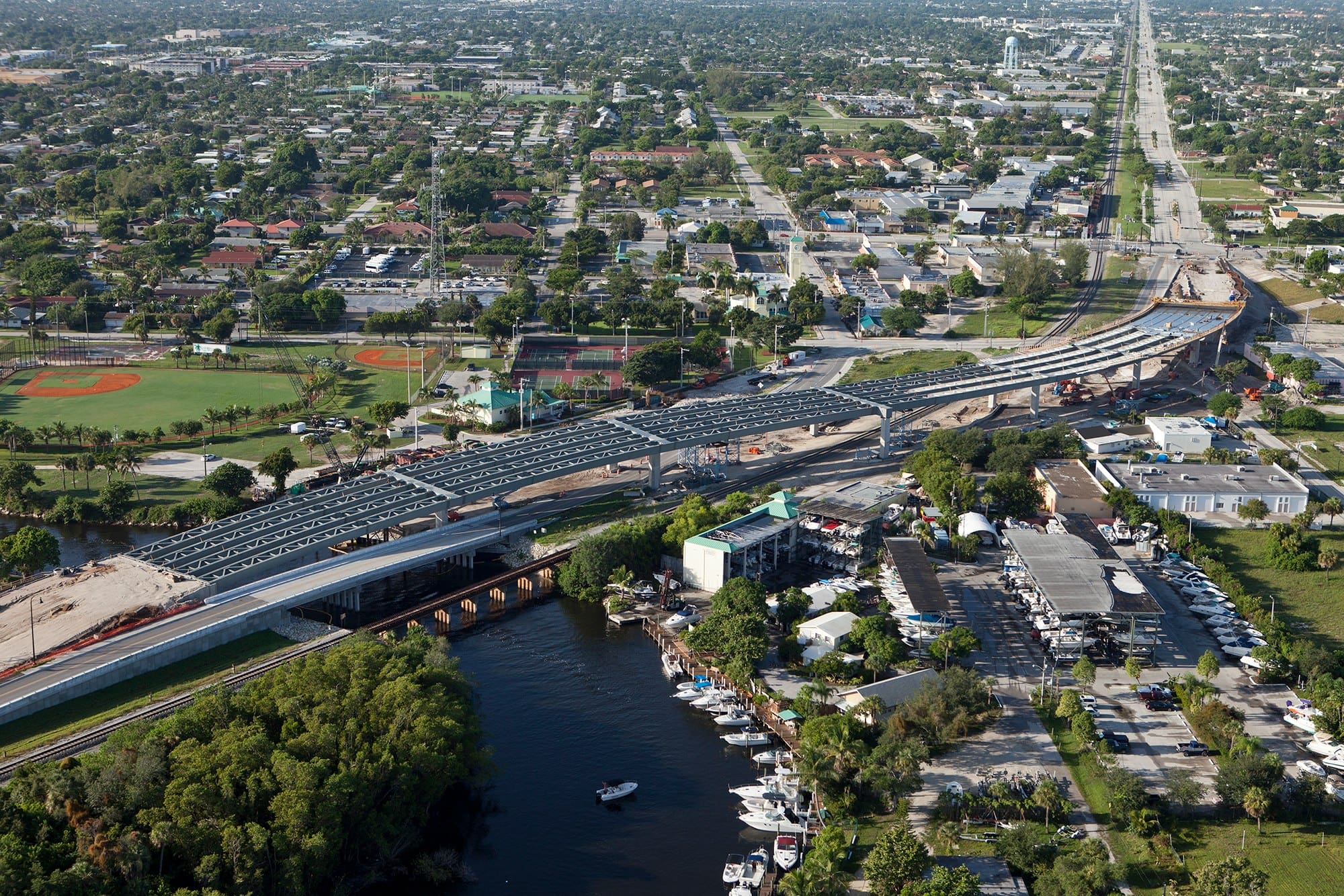
WGI’s integrated planning and civil engineering approach ensures infrastructure strategies are realistic, scalable, and financially feasible, supporting growth without overburdening existing systems or taxpayers.
Housing Diversity and Affordability
Rapid growth often intensifies housing challenges, particularly for workforce households and first-time buyers. Updated comprehensive plans should address housing diversity across income levels, household types, and life stages, from entry-level ownership and rental housing to senior living and higher-density urban options.
Rather than relying solely on mandates, effective plans align housing policy with zoning flexibility, infrastructure availability, and market feasibility. This proactive approach helps communities expand housing supply, stabilize prices, and support inclusive growth as demand increases.
Resilience, Sustainability, and Long-Term Adaptability
High-growth communities must plan not only for growth, but for uncertainty. Comprehensive plan updates increasingly address resilience to climate impacts, economic shifts, and infrastructure stress. Policies related to floodplain management, water conservation, energy efficiency, and open space preservation help communities remain adaptable as conditions change.
By embedding resilience and sustainability into the comprehensive plan, communities reduce long-term risk while supporting responsible development patterns that protect both public and private investment.
Community Engagement That Builds Trust
Growth can create anxiety among residents, particularly when change happens quickly. Transparent, inclusive engagement is critical to building trust and buy-in during a comprehensive plan update.
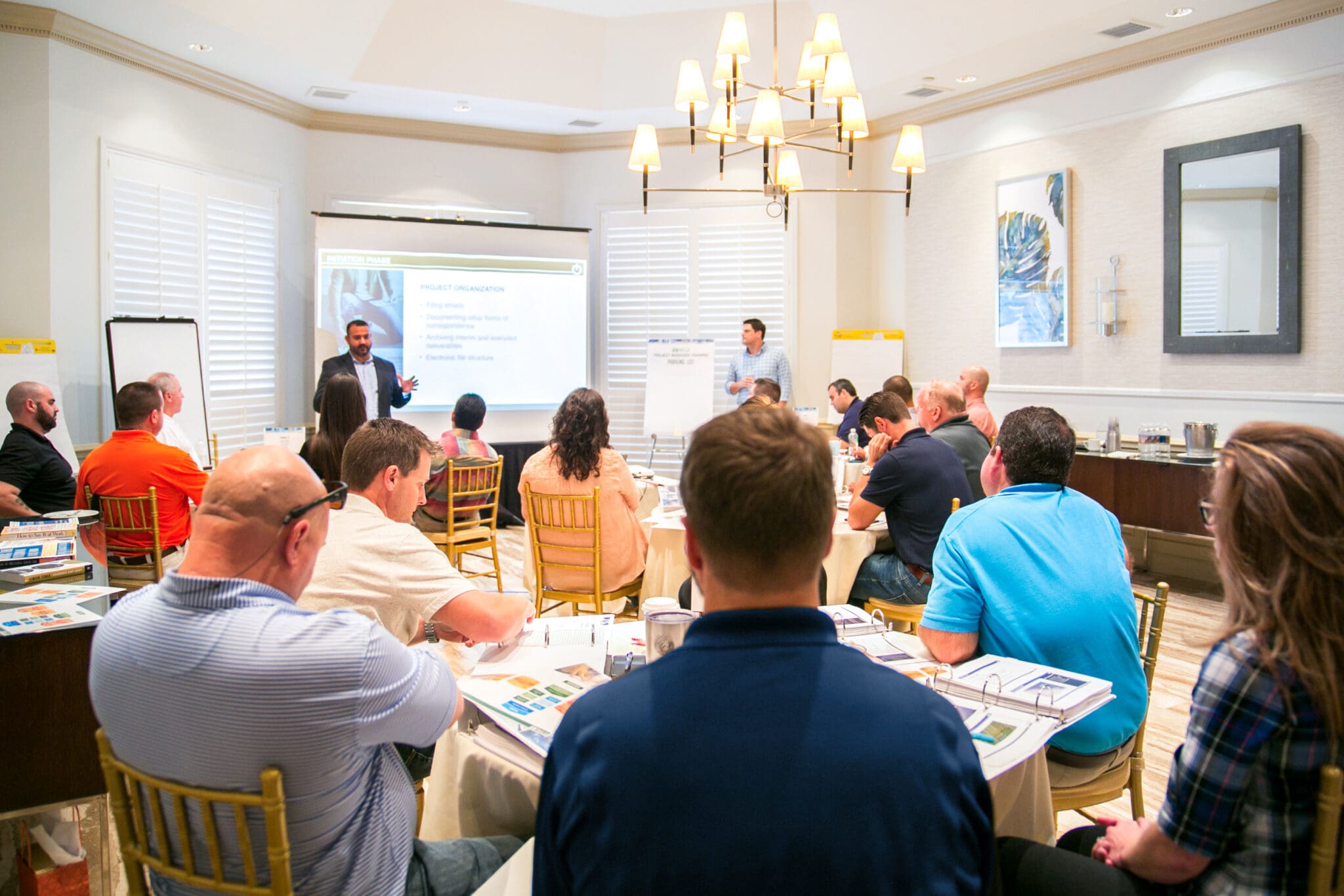
Effective engagement goes beyond public meetings. Visual tools, interactive mapping, language translations, and clear narratives help residents understand growth realities and trade-offs. WGI helps communities translate technical concepts into accessible materials that support productive conversations and informed decision-making. The result is a plan that reflects community values and is more likely to be supported through future development decisions.
Common Challenges and How WGI Helps Solve Them
Balancing Vision with Market Reality:
A comprehensive plan must be aspirational yet achievable. WGI bridges policy goals with development feasibility to ensure plans guide outcomes that can realistically be delivered.
Coordinating Across Departments:
Comprehensive plans affect every municipal function, from utilities to transportation to economic development. WGI helps align departments around a shared growth strategy supported by consistent data and priorities.
Managing Growth While Preserving Community Character:
Through context-sensitive land use policies, targeted growth areas, and clear design guidance, WGI helps communities accommodate growth without sacrificing their identity.
Implementation Gaps:
A plan is only as effective as its execution. WGI emphasizes clear action items, implementation schedules, and regulatory alignment so comprehensive plans move seamlessly from adoption to on-the-ground results.
The Bottom Line
For high-growth communities, comprehensive plan updates are no longer optional — they are critical tools for managing change, reducing risk, and guiding sustainable development.
The most successful plans are data-driven, infrastructure-aware, community-supported, and built for flexibility. They don’t just respond to growth, they shape it.

At WGI, we bring planning, civil engineering, surveying, and digital services together to help communities update comprehensive plans with confidence. From visioning and technical analysis to implementation strategy, we deliver plans that are practical, defensible, and ready for growth.
Contact Us
If your community is experiencing rapid growth, or preparing for it, now is the time to update your comprehensive plan.
Connect with WGI’s planning and engineering experts to build a clear, coordinated roadmap that turns growth into opportunity.