
WGI is excited to share the release of Complete Streets: The Next Generation (PAS Report 609) from the American Planning Association (APA) and its Planning Advisory Service (PAS). APA enlisted WGI to help update its street design resources, incorporating lessons learned over the past two decades, as well as emerging trends, technologies, and multimodal practices shaping today’s transportation landscape.
The complete streets movement began in the early 2000s to promote safer, more accessible streets for all users—including pedestrians, bicyclists, transit riders, and drivers. Since then, communities, mobility options, and technologies have evolved significantly, making this updated report both timely and essential.
This 186-page report provides a comprehensive look at how planners and communities can design and manage streets as dynamic, multifunctional public spaces. While written primarily for urban and transportation planners, it also serves as a valuable resource for community advocates and decision-makers.
The report covers a wide range of topics, including:
- Core principles of Complete Streets, including safety, mobility, public health, environmental impact, and economic vitality
- Emerging elements such as new mobility options, street programming, and performance-based planning
- Strategies for inclusive and effective community engagement
- Street design approaches that accommodate a growing variety of transportation modes
- Data, metrics, and performance measures for planning and implementation
- Funding strategies and implementation frameworks for complete streets projects
- Case studies and real-world examples from communities across the country
Why Focus on Complete Streets Now?
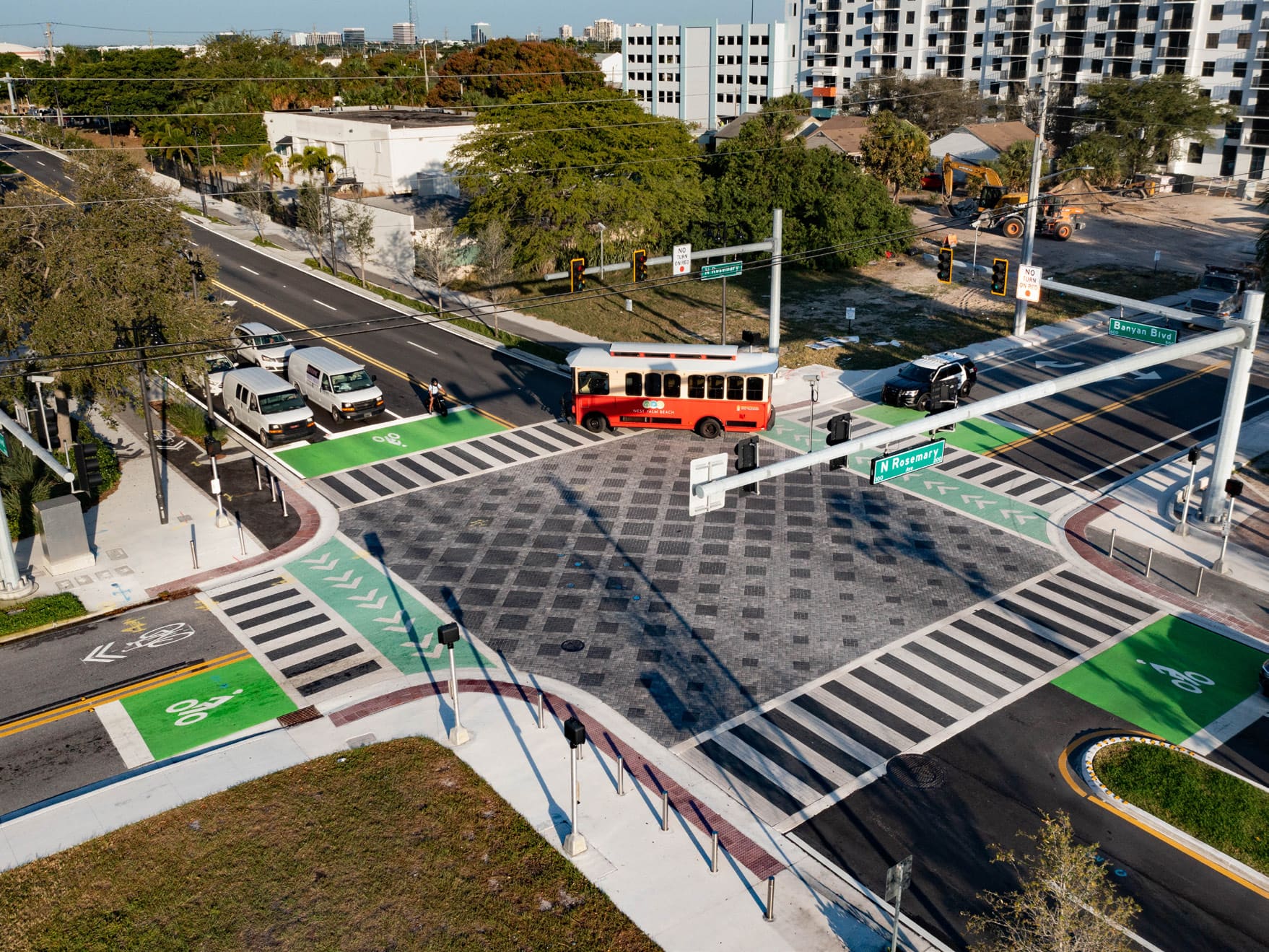
Evolving Transportation Landscape: With the rise of micromobility, e-commerce, and new vehicle technologies, streets must serve more users and functions than ever before.
Streets as Public Space: Streets are no longer just corridors for vehicles—they are valuable public spaces that support economic, social, and community outcomes.
Accessibility: Complete Streets play a critical role in improving access, affordability, safety, and overall quality of life for all users.
Data-Driven Planning: Modern planning approaches rely on data, performance metrics, and continuous evaluation to ensure long-term success.
This report serves as a one-stop reference guide for planning, designing, and implementing Complete Streets in today’s rapidly evolving environment. Whether a community is just beginning to explore Complete Streets or refining an existing program, PAS Report 609 provides the tools and insights needed to move forward.
WGI remains committed to supporting communities and stakeholders with the latest research and best practices in multimodal transportation and placemaking.
To access the report, click here.