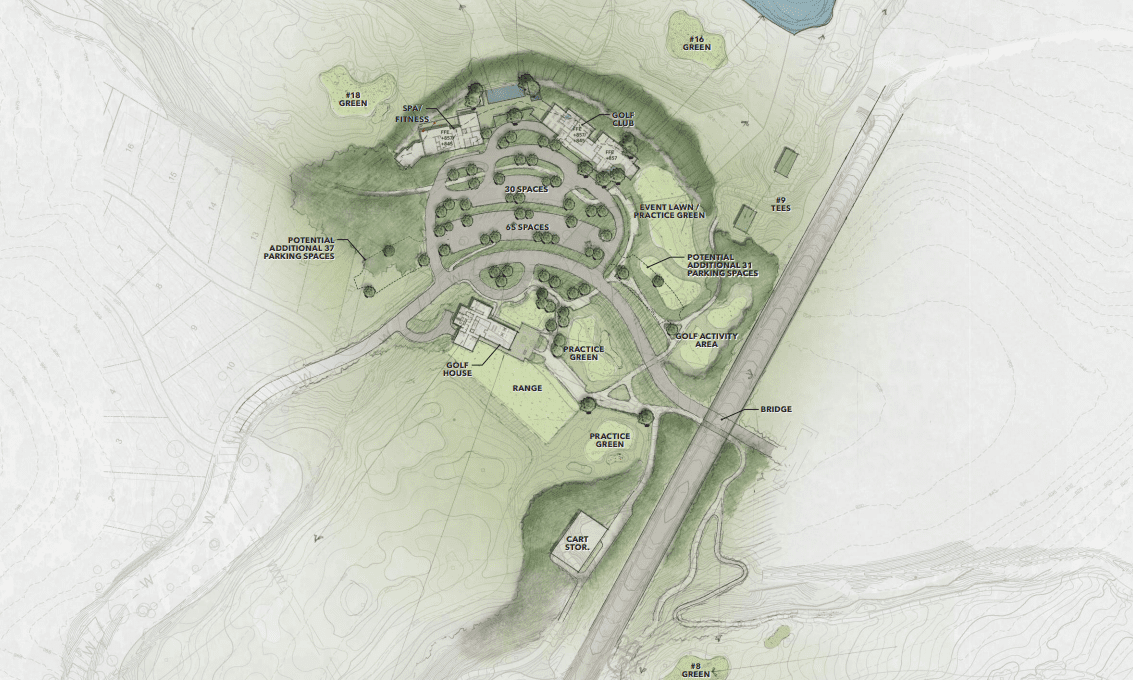
The Travis Club is a 1,500-acre master-planned community located along the lakefront in the Texas Hill Country. WGI provided full mechanical, electrical, and plumbing (MEP) design services for two key facilities within this luxury development: the Gate House and the Golf House. Each space is designed to enhance the guest experience while supporting the broader community vision of refined, modern living.
The Gate House serves as the welcoming point for residents and guests, offering a sense of comfort and sophistication upon arrival. WGI’s MEP systems provide energy-efficient, year-round climate control and integrated lighting solutions that align with the architectural intent and hospitality standards of the development.
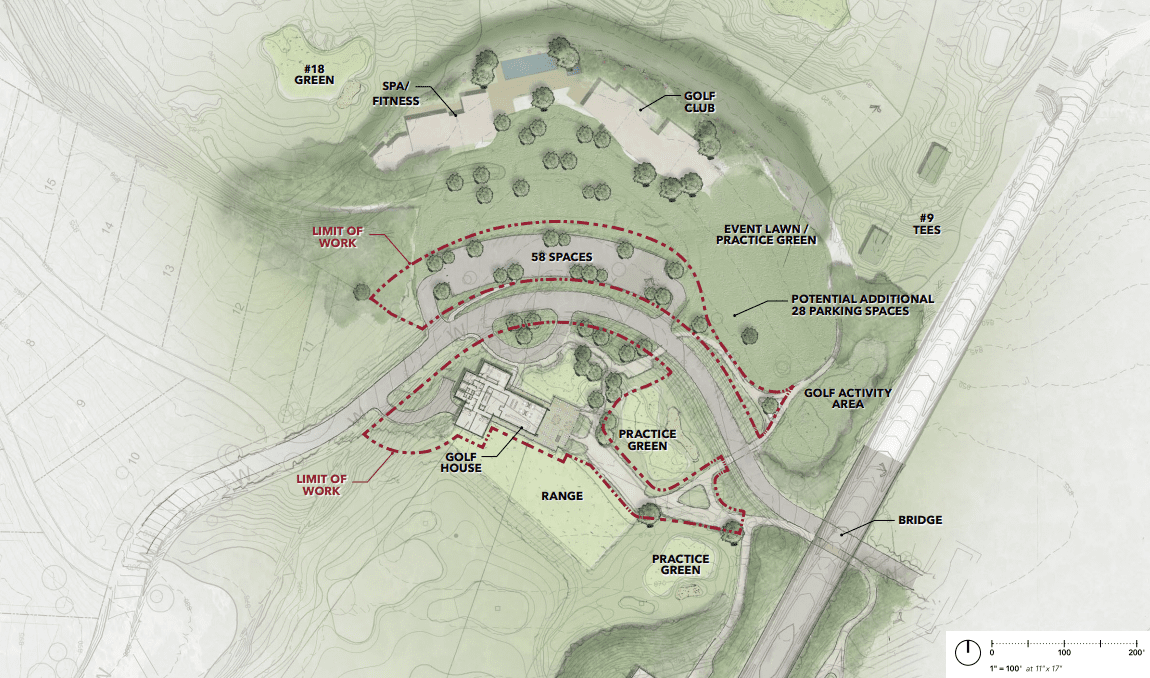
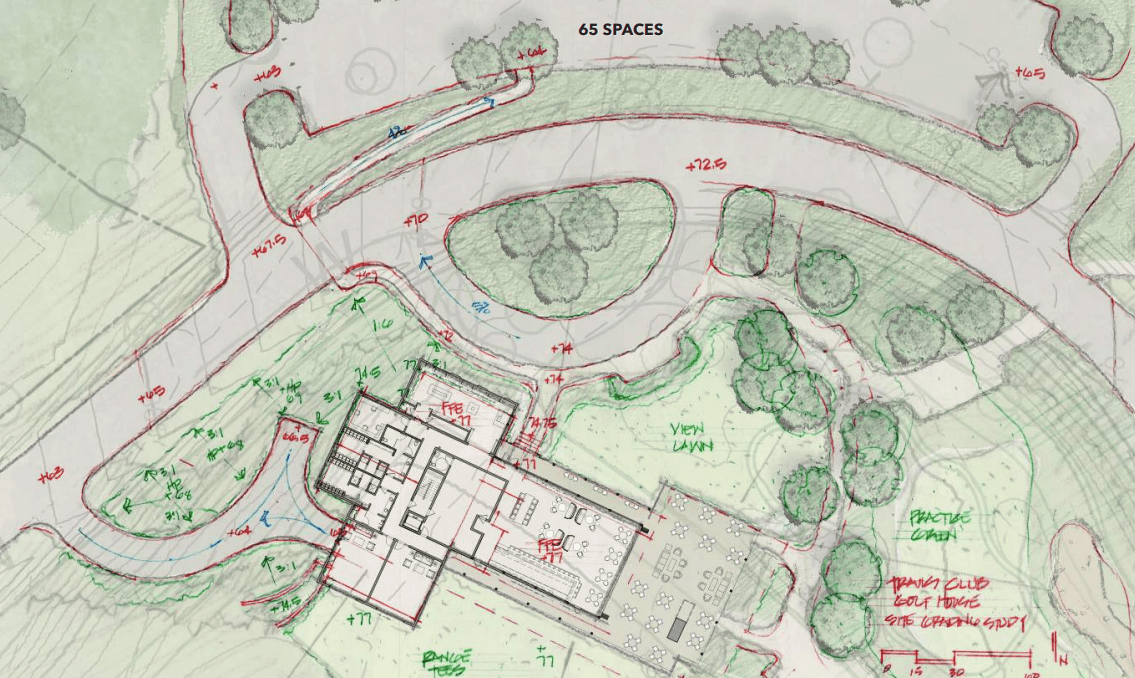
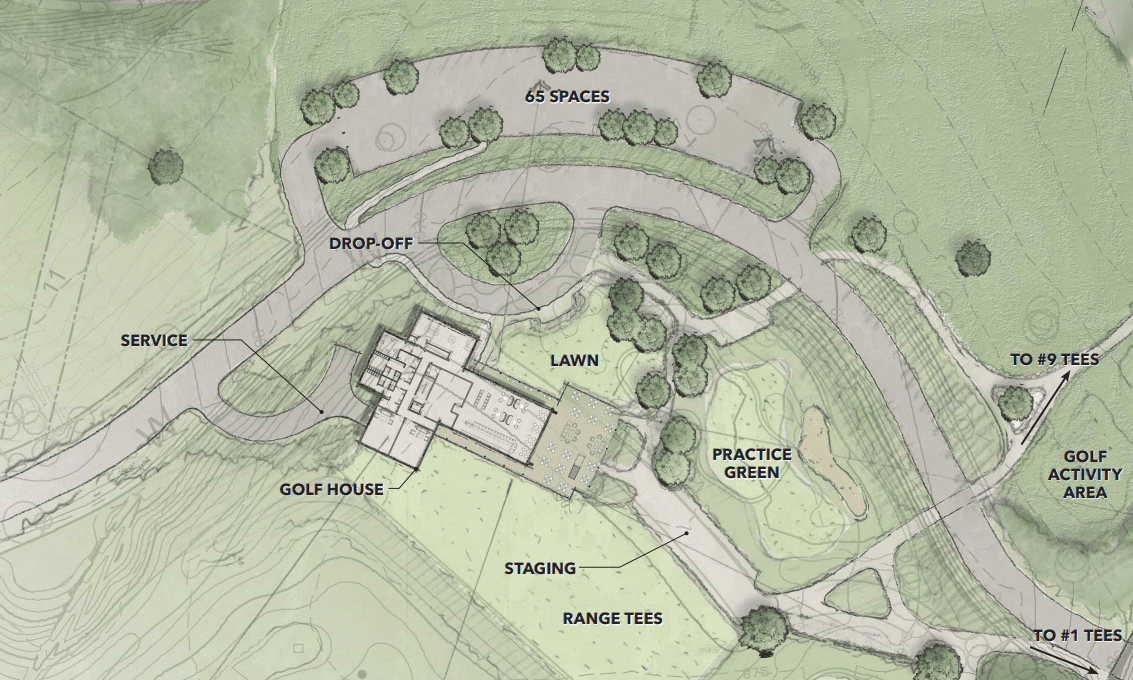
The Golf House is a multi-purpose amenity facility that supports both community engagement and recreational activities. It features high-performance golf simulators, a commercial-grade kitchen, dining areas, and a fully equipped pro shop. WGI designed and coordinated complex MEP systems to ensure operational functionality, guest comfort, and long-term maintainability all while maintaining a discreet presence behind the architecture’s clean lines and open spaces.
Project Highlights:
Key MEP Features for the Gatehouse:
- Discreet, High-Efficiency HVAC Design: A compact, ceiling-mounted water source heat pump system provides year-round comfort while preserving the architectural aesthetics of the space. Zoning and dedicated controls deliver precise climate management for both public and staff areas.
- Elegant, Energy-Efficient Lighting Systems: Lighting design complements the warm and welcoming character of the Gatehouse, with LED fixtures, daylight-responsive zones, and occupancy sensors all integrated for efficiency and user comfort.
- Robust Power and Distribution Planning: The electrical design ensures safe, reliable service for all systems, from lighting and HVAC to communications and site signage, with attention to code compliance, load balancing, and future flexibility.
- On-Demand Hot Water System: An instantaneous hot water heater provides rapid, energy-efficient service to restrooms and staff sinks without the footprint or wait time of a traditional storage tank.
- Tightly Coordinated Design Delivery: Our MEP team collaborated closely with our in-house Structural group to resolve spatial and routing constraints early, supporting a streamlined construction process and alignment with the Architect’s vision.
Key MEP Features for the Golf House:
- Efficient Zoned HVAC with Water Source Heat Pumps: A network of 13 discreet, crawl space heat pumps delivers quiet, energy-efficient heating and cooling tailored to each space from golf simulators to dining areas ensuring comfort without compromise.
- Seamless Kitchen Systems Coordination: Full MEP support for the commercial-grade kitchen includes high-capacity exhaust, makeup air, and grease waste infrastructure, all carefully coordinated with the kitchen consultant to align with culinary operations and code.
- On-Demand Hot Water: Instantaneous domestic hot water systems eliminate wait times and reduce energy consumption, providing consistent service across restrooms, prep spaces, and hospitality areas.
- Power Infrastructure Built for Performance: Electrical systems were designed to meet the demands of high-load equipment such as golf simulators and commercial kitchen appliances, with future capacity and code-driven voltage drop mitigation built in.
- Integrated Lighting and Controls: Lighting systems blend functionality and ambiance, featuring layered design and energy-saving controls like occupancy sensors and local switching to enhance user experience and efficiency.
- Connected Amenity Experience: Low-voltage systems were planned to support AV, Wi-Fi, and security infrastructure enabling smart, connected environments for both guests and staff.
- Fully Coordinated and Code-Compliant Design: All systems were carefully aligned with the architectural and structural, meeting 2015 IMC, 2021 IECC, and 2023 NEC requirements while streamlining construction coordination.
Our in-house Structural team also was part of both projects and collaborated with us on both projects, streamlining coordination and enabling faster, more integrated solutions. This close partnership allowed us to address every structural-mechanical interface with agility ensuring that design solutions aligned seamlessly with both the Architect’s vision and the Owner’s goals.