Florida’s landscape is defined by water. Beyond the state’s coastlines lies an expansive network of freshwater wetlands, canals, and interconnected surface waters that influence how communities grow, infrastructure is developed, and natural systems function. These resources provide significant ecological benefits while supporting flood protection, water quality, and regional water management objectives.
Explore how WGI helps clients navigate evolving regulatory frameworks, environmental constraints, and complex permitting requirements associated with Florida’s freshwater wetlands and canal systems while supporting resilient, sustainable project delivery.
The Foundation of Florida’s Freshwater Wetland Systems
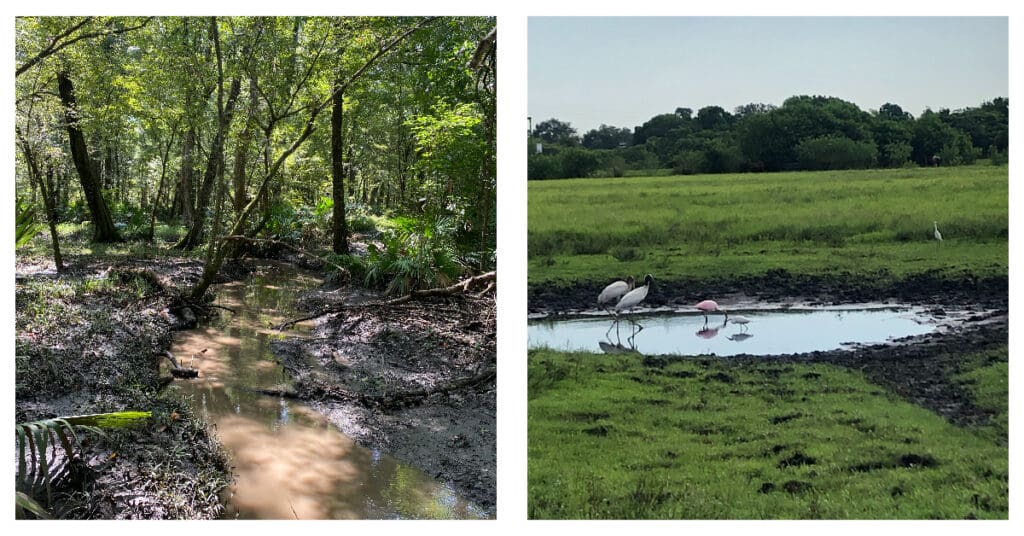
Florida’s inland freshwater wetlands represent some of the most ecologically diverse and functionally important natural resources in the state. Whether it’s herbaceous marshes, forested swamps, or interconnected surface waters, these systems have evolved over thousands of years under naturally fluctuating hydrologic conditions.
Freshwater wetlands serve as critical ecological hubs that provide a wide range of environmental benefits, including:
- Wildlife habitat for numerous protected and listed species
- Natural water storage and conveyance that contributes to flood attenuation and groundwater recharge
- Nutrient uptake and transformation that improves downstream water quality
- Shoreline and soil stabilization
- Natural buffers between upland development and surface waters
- Recreational, aesthetic, and community value
These ecosystems function as natural infrastructure, helping support both environmental health and community resilience throughout Florida. WGI’s environmental professionals are experts at balancing built and natural environments.
The Everglades Legacy and Florida’s Canal Network
Nowhere is the connection between freshwater wetlands and water management more evident than in South Florida.
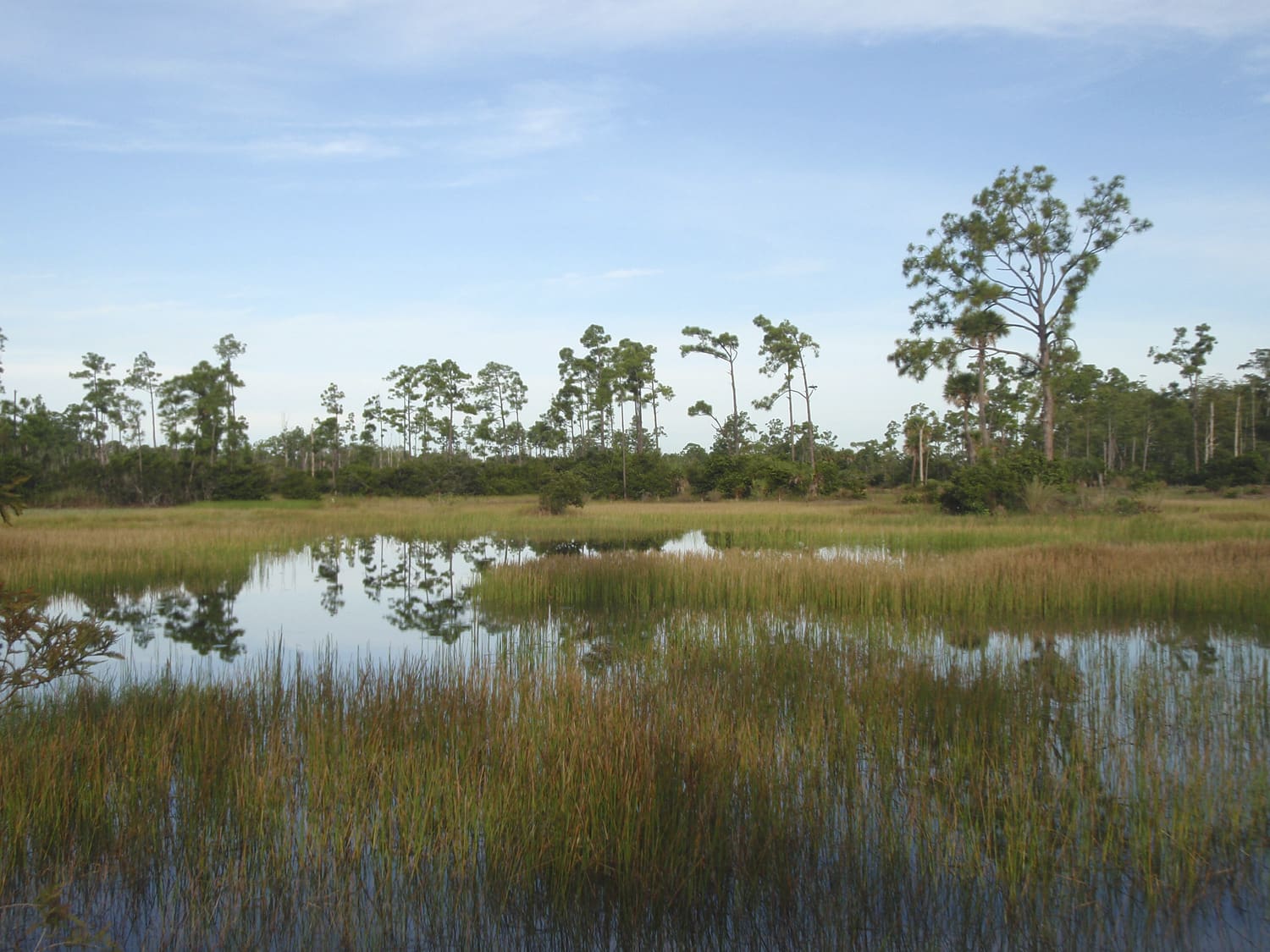
Historically, the Everglades (often referred to as the “River of Grass”), conveyed slow-moving sheet flow from Lake Okeechobee southward through an expansive mosaic of wetlands. Beginning in the early 1900s, however, large-scale flood control initiatives dramatically altered this landscape.
To support flood protection, agricultural expansion, and urban development, the U.S. Army Corps of Engineers (USACE) developed the Central and Southern Florida (C&SF) Project, an extensive network of canals, levees, and water control structures that continues to shape South Florida today.
While the system successfully reduced flooding and enabled regional growth, it also altered historic hydrology, disrupted natural flow paths, and changed wetland hydration patterns throughout the Everglades ecosystem.
Today, regional, state, and federal initiatives increasingly focus on restoring natural hydrologic functions through wetland rehydration, flow-way restoration, and ecosystem enhancement projects. These efforts seek to balance ongoing development needs with the long-term sustainability of Florida’s freshwater resources.
At the same time, planning initiatives such as Miami-Dade County’s Urban Development Boundary (UBD) continue to highlight the importance of thoughtful environmental planning as communities evaluate future growth opportunities adjacent to sensitive wetland systems.
WGI serves as a one-stop shop and provides multi-disciplinary teams that can tackle any project under one roof, with minimal sub support.
Navigating a Shifting Regulatory Landscape
Freshwater wetland permitting in Florida is evolving rapidly.
Recent legal decisions, regulatory changes, and agency guidance have introduced uncertainty regarding the extent of federal jurisdiction over freshwater wetlands and surface waters. Among the most significant developments is the U.S. Supreme Court’s decision in Sackett v. EPA, which narrowed the scope of federally regulated wetlands under the Clean Water Act.
The decision shifted federal jurisdiction toward wetlands that maintain a continuous surface water connection to traditionally navigable waters, representing a departure from earlier interpretations established through decisions such as Rapanos v. United States.
Additional regulatory complexity stems from:
- Ongoing changes to the definition of Waters of the United States (WOTUS)
- Recent EPA guidance and policy updates
- The vacatur of Florida’s State 404 Program
- Shifting responsibilities between federal and state regulatory agencies
These changes directly influence jurisdictional determinations, permitting requirements, agency coordination, and project timelines for activities involving dredge and fill within freshwater wetlands.
As regulatory interpretations continue to evolve, early environmental evaluations and permitting strategy development are becoming increasingly important to support project certainty and reduce risk.
Many of WGI’s environmental scientists served as former state and federal regulators, giving us a depth of knowledge on environmental constraints and regulatory agency processes. Our team of environmental permitting specialists stay abreast of shifting regulatory landscapes through daily permitting coordination on projects that vary from individual to a regional scale across Florida and the nation.
Design and Constructability Considerations
Environmental constraints often extend beyond permitting requirements and directly influence project siting, design, access, constructability, and cost.
Many freshwater wetland systems in Florida contain highly organic or muck-dominated soils that are unsuitable to support infrastructure. These conditions can create significant challenges during project development and construction.
Common considerations may include:
- De-mucking and removal of unsuitable soils
- Importation of clean fill and structural materials
- Complex construction access considerations
- Temporary and permanent impact footprints to address means and methods during design
- Increased construction costs and schedule considerations
Addressing these conditions early during planning and design helps project teams better understand feasibility, identify potential risks, and develop more accurate project budgets and schedule projections.
Stormwater and Water Quality Requirements Continue to Evolve
Florida is also experiencing significant changes in how stormwater discharges to wetlands and surface waters are regulated.
Recent updates to state stormwater criteria, coupled with legislation including Senate Bill 848 and House Bill 965, signal a shift toward performance-based regional water quality standards and enhanced environmental accountability on a watershed level.
These evolving requirements may include:
- More stringent attenuation and water quality treatment criteria for discharges to special or impaired watersheds
- Additional environmental performance criteria
- New permitting frameworks and stormwater programs for Water Quality Enhancement Areas and stormwater banking
- Increased scrutiny during Environmental Resource Permit (ERP) reviews that can delay design and permitting
Ongoing rulemaking efforts continue to shape implementation strategies, making it important for project teams to remain informed about regulatory developments that may influence permitting pathways and project design requirements.
WGI’s water resources team has been closely following these changes closely which continue to shape and evolve creatively transforming how our world is envisioned, designed, and experienced
Protected Species and Environmental Compliance
Freshwater wetlands frequently provide habitat for state and federally protected species, making ecological assessments a critical component of environmental planning and permitting.
Species-specific surveys are often necessary to support agency coordination, environmental documentation, and avoidance and minimization strategies. Depending on the species and habitat present and project location, additional permit conditions and compliance and monitoring requirements may apply.
Common considerations include:
- Seasonal survey constraints and schedule windows
- Breeding, nesting, and migration restrictions
- Wildlife buffer requirements
- Construction timing and means and methods limitations
- Long-term maintenance and monitoring obligations
- Additional permits such as a Florida Fish and Wildlife Conservation Commission (FWC) Incidental Take Permit
Projects involving federal funding, approvals, or authorizations may also trigger National Environmental Policy Act (NEPA) review and associated environmental commitments to comply with federal requirements.
Because these requirements can influence project schedules, construction sequencing, and permitting timelines, early coordination is often essential to maintaining project momentum and minimizing unforeseen delays.
Managing Multi-Jurisdictional Canal Permitting
Florida’s canal systems introduce an additional layer of permitting and regulatory complexity.
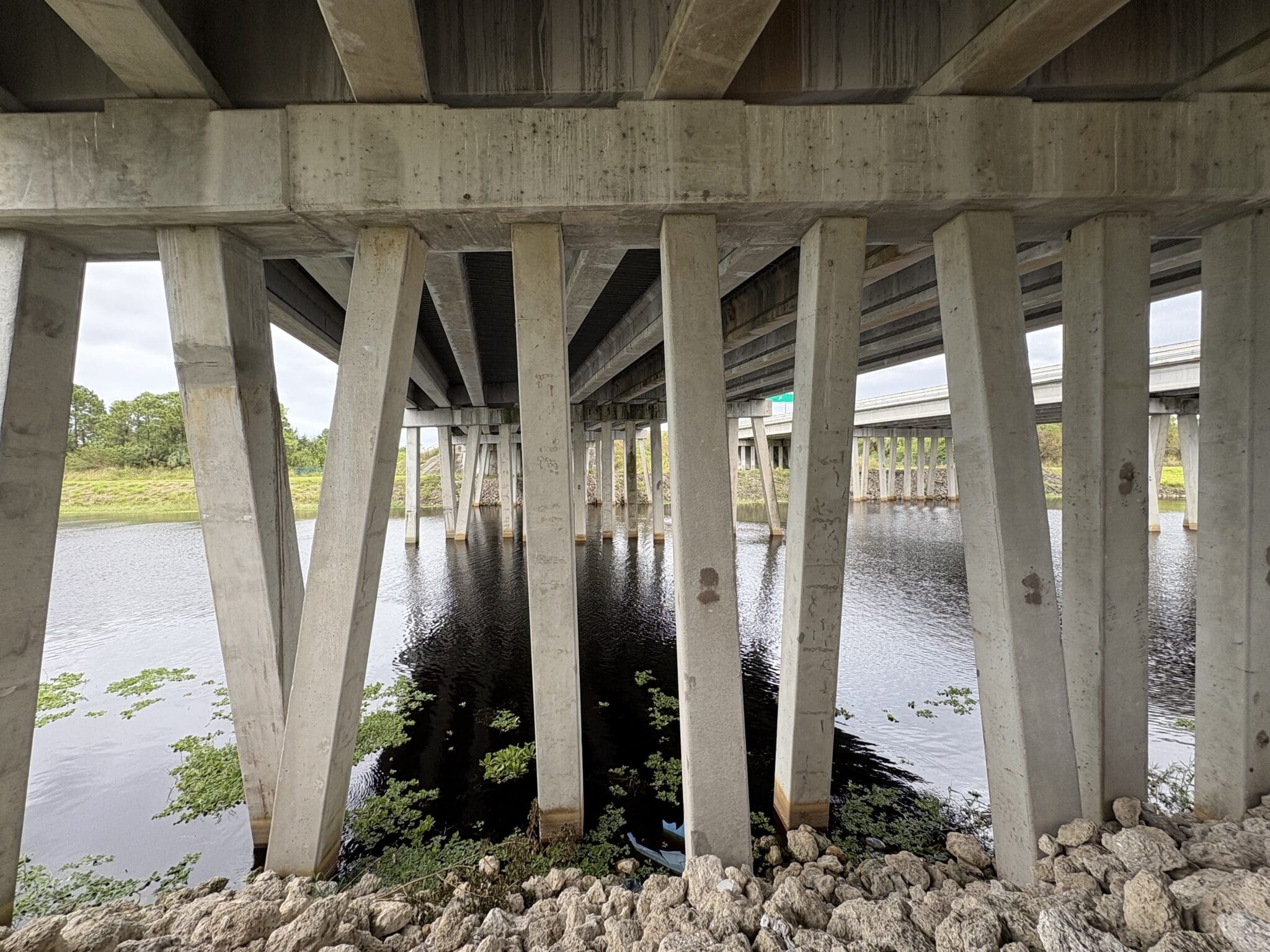
Many major canals in South Florida fall within the federal Central and Southern Florida (C&SF) Project for Flood Control and are subject to USACE oversight. Projects located within or adjacent to these facilities may require review under Section 408, which governs modifications to federal civil works infrastructure and are often associated with long lead times and accompanying Right-of-Way Occupancy Use permits before 408 reviews are formally initiated with the USACE.
These reviews often involve detailed engineering analyses, hydraulic evaluations, and compliance with established federal design sections and criteria.
In addition to federal oversight, projects may also require coordination with:
- Local governments
- County agencies
- Special drainage districts
- Other infrastructure owners and operators
This multi-layered review process can significantly influence project schedules and design approaches. Early engagement with environmental and permitting specialists helps identify jurisdictional requirements, streamline agency coordination, and reduce permitting uncertainty. Through early engagement and proactive permit approach coordination, re-work and delays can be anticipated and mitigated.
Planning for Mitigation Early
When impacts to freshwater wetlands and habitat cannot be avoided, compensatory mitigation often becomes a key component of project development.
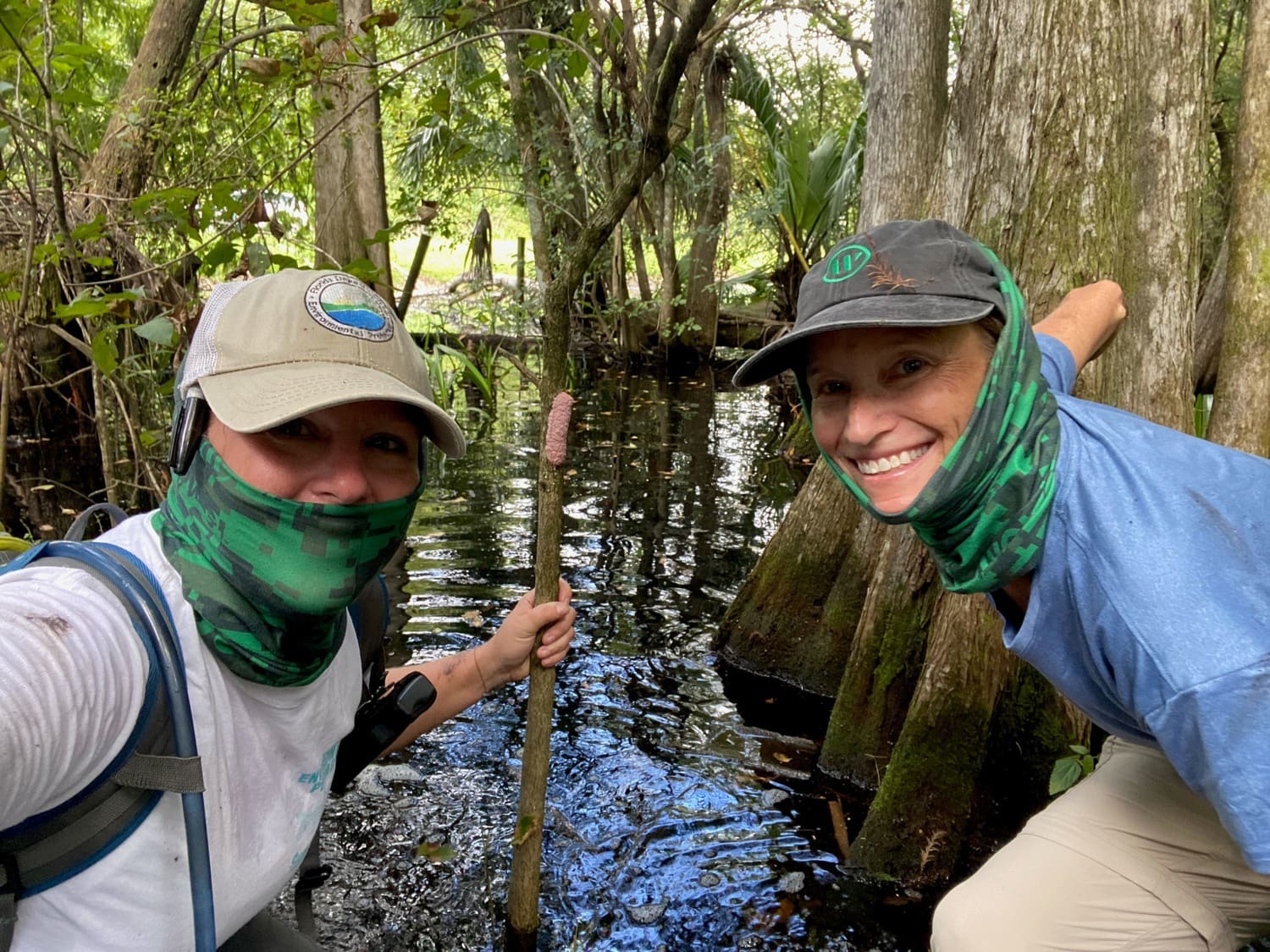
Mitigation requirements are typically based on the quality, function, and ecological value of impacted wetlands and may include:
- Wetland mitigation banking and credit purchases
- Permittee-responsible mitigation areas
- On-site mitigation through conservation, creation, enhancement, or restoration
- Off-site mitigation which often requires additional land purchases
Mitigation planning is frequently underestimated during early project programming despite its potential influence on project costs, permitting schedules, and overall feasibility.
Evaluating mitigation feasibility and implementation before final design helps project teams establish realistic budgets, identify permitting pathways, and support efficient project delivery.
Balancing Growth, Restoration, and Resilience
Florida’s freshwater wetlands and canal systems remain fundamental to the state’s environmental health, flood protection infrastructure, and future growth.
As regulatory frameworks evolve, restoration initiatives advance, and development pressures continue, successful projects require a comprehensive understanding of how natural systems, engineered infrastructure, and permitting requirements interconnect across at a local and regional level.
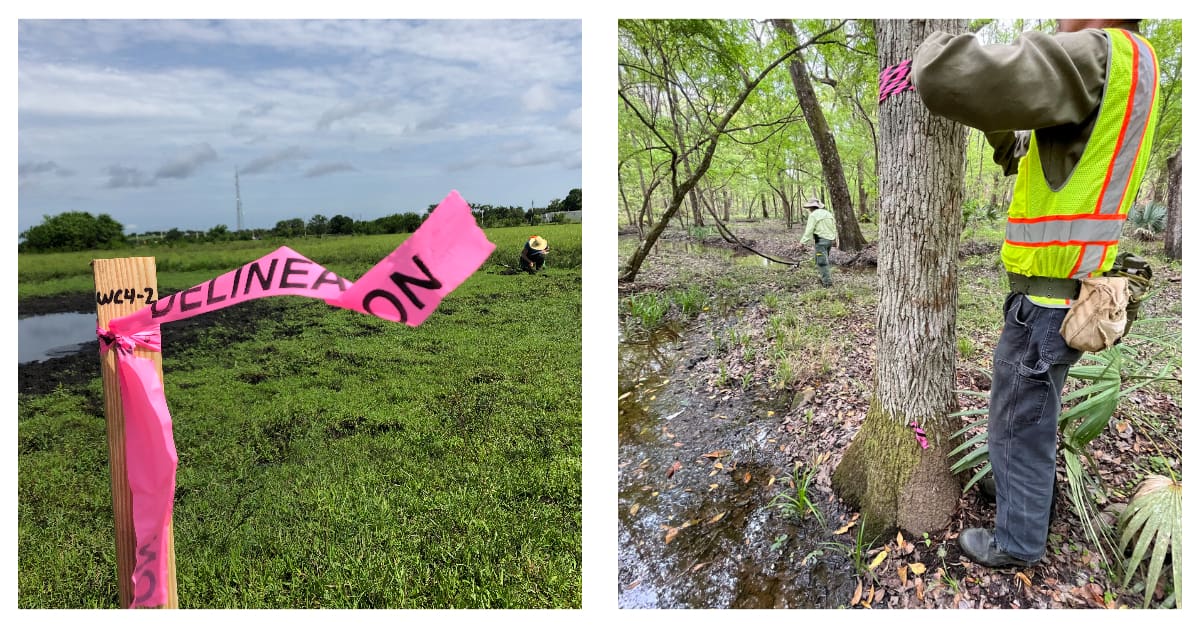
WGI provides comprehensive environmental services supporting freshwater wetland and projects involving canals from planning and feasibility through permitting and post-construction compliance. Our environmental professionals assist clients with wetland delineations, jurisdictional determinations, protected species assessments, permitting strategy development, agency coordination, mitigation planning, and environmental compliance and monitoring support.
As a multidisciplinary firm, WGI integrates environmental expertise into broader project planning efforts to identify constraints early, reduce regulatory risk, and support informed decision-making throughout the project lifecycle.
Successful projects depend on proactive environmental planning, technical expertise, and strategic coordination to balance infrastructure needs with the protection of Florida’s valuable freshwater resources.
Contact Us
Whether you’re navigating jurisdictional uncertainty, coordinating multi-agency permitting, addressing protected species requirements, or developing mitigation strategies, our team provides the technical expertise needed to keep projects moving forward.
Connect with WGI’s environmental team to learn how we can support your next freshwater wetland, canal, or water resource project with technically focused, environmentally driven solutions.
New to the series? Read Part 1, Wetlands in Balance: Coastal Wetlands and Marine Benthic Resources, to learn how WGI approaches environmental planning and permitting in Florida’s coastal ecosystems.